ASUS TUF Gaming A16 (2025) Review: What a Sub-$1,500 Gaming Laptop Gives Up
An RTX 5070 with 8 GB of video memory, a 16 inch 165 Hz screen, 90 Wh battery and upgradeable RAM and storage, from $1,399.99. We list the real compromises and who should accept them.

The verdict
A sensible place to compromise. You get an RTX 5070 at up to 115 W, a 165 Hz screen, a 90 Wh battery, a good keyboard and user-upgradeable memory and storage. You give up 8 GB of video memory, a bright or colour-accurate display, a good webcam and a premium feel. Buy it for a first serious gaming laptop, not for creative work.
Best forFirst-time gaming laptop buyers who want RTX 5070 value
What we liked
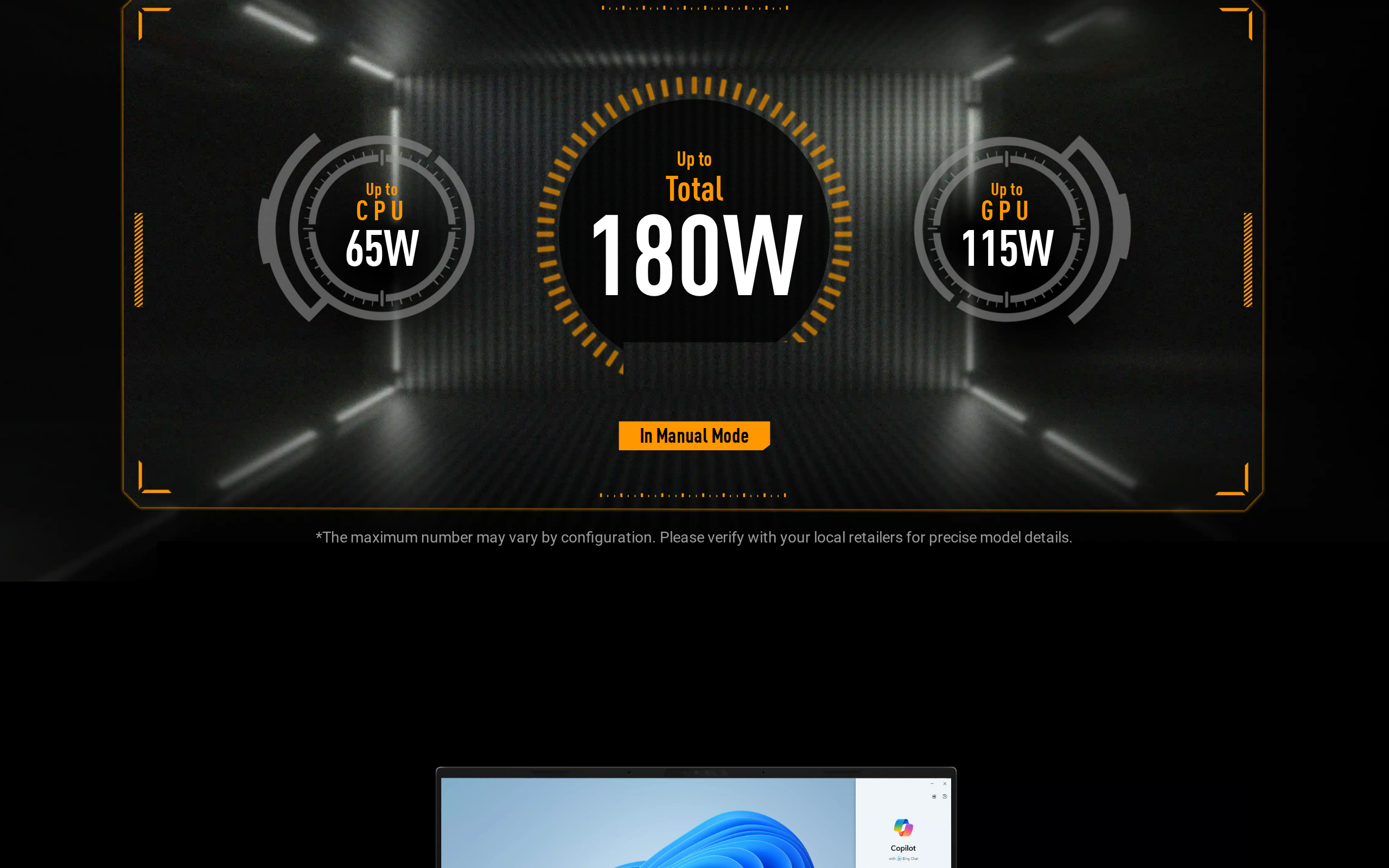
- RTX 5070 laptop GPU with up to 115 W, with a 180 W total power mode
- Two DDR5 and two M.2 slots you can reach yourself
- 165 Hz anti-glare screen with G-SYNC and a 16:10 shape
- 90 Wh battery and 100 W USB-C charging, about 12.8 hours in a saver profile
- MIL-STD-810H tested and under 2.3 kg
What we did not
- 8 GB of video memory is tight for the newest games at high texture settings
- Base screen is a 400 nit IPS panel, not bright and not wide-gamut
- Gigabit Ethernet and a weak webcam with no privacy shutter
- GPU reached 86 C in a full load test
- Some of the best options, like the OLED panel, cost more or vary by region
Every gaming laptop under $1,500 is a list of trade-offs, and the useful question is which ones you can live with. The TUF Gaming A16 makes its choices clearly. It spends money on the graphics chip, the cooling and the battery, and saves it on the screen, the webcam and the feel of the lid.
The one spec to worry about
The configuration most people will buy pairs an RTX 5070 laptop GPU with 8 GB of video memory. The chip itself is strong: ASUS lets it run at up to 115 W inside a 180 W total budget in manual mode, with the CPU at 65 W. In Geeks3D's test it scored 13,345 in 3DMark Time Spy Graphics and held about 95 W under load.
The 8 GB is the limit, though. At 1080p and 1440p with sensible textures, the card is fine. Push the newest games to maximum textures and ray tracing and you will run out of memory before you run out of speed. That is the first thing you give up.
The screen is where the saving hides
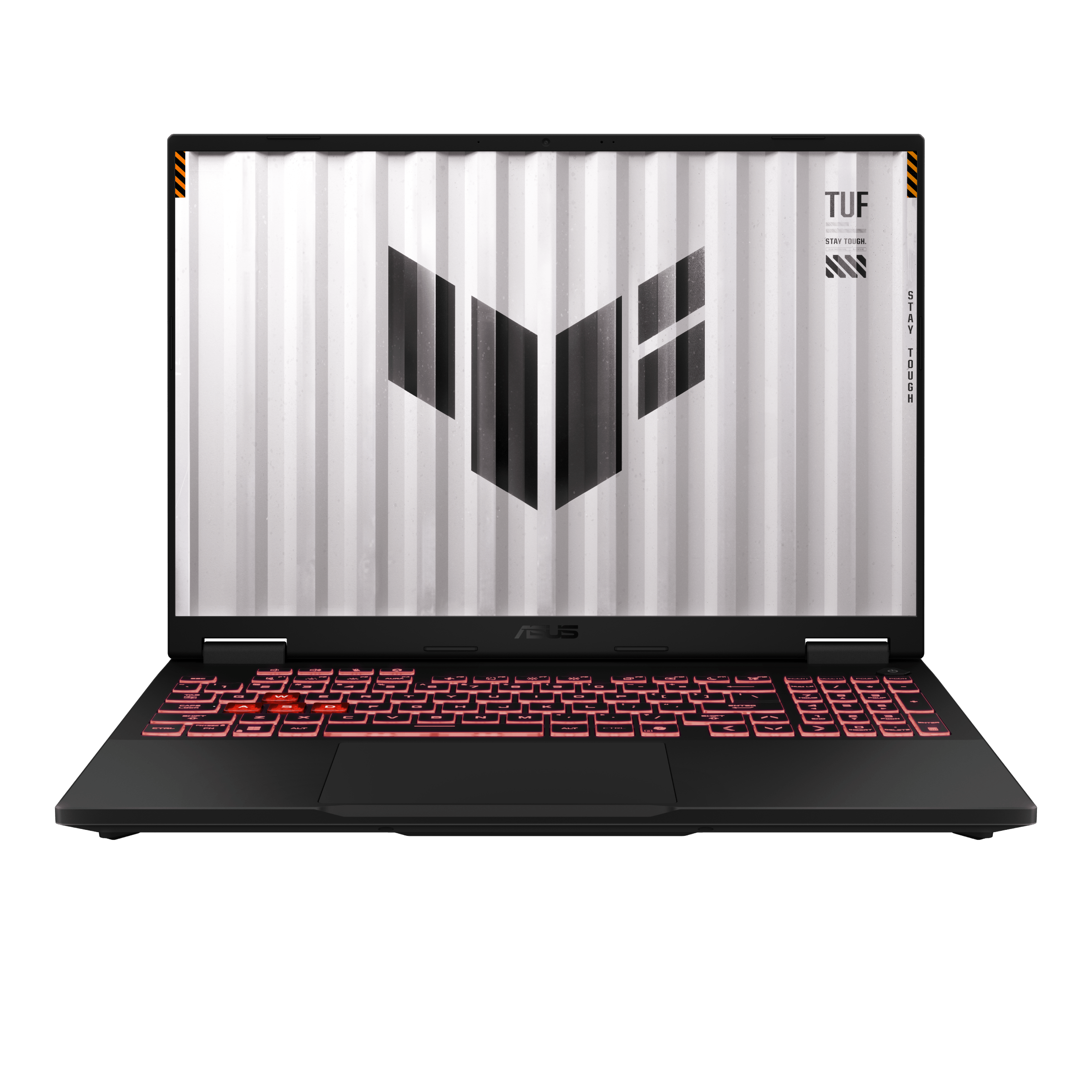
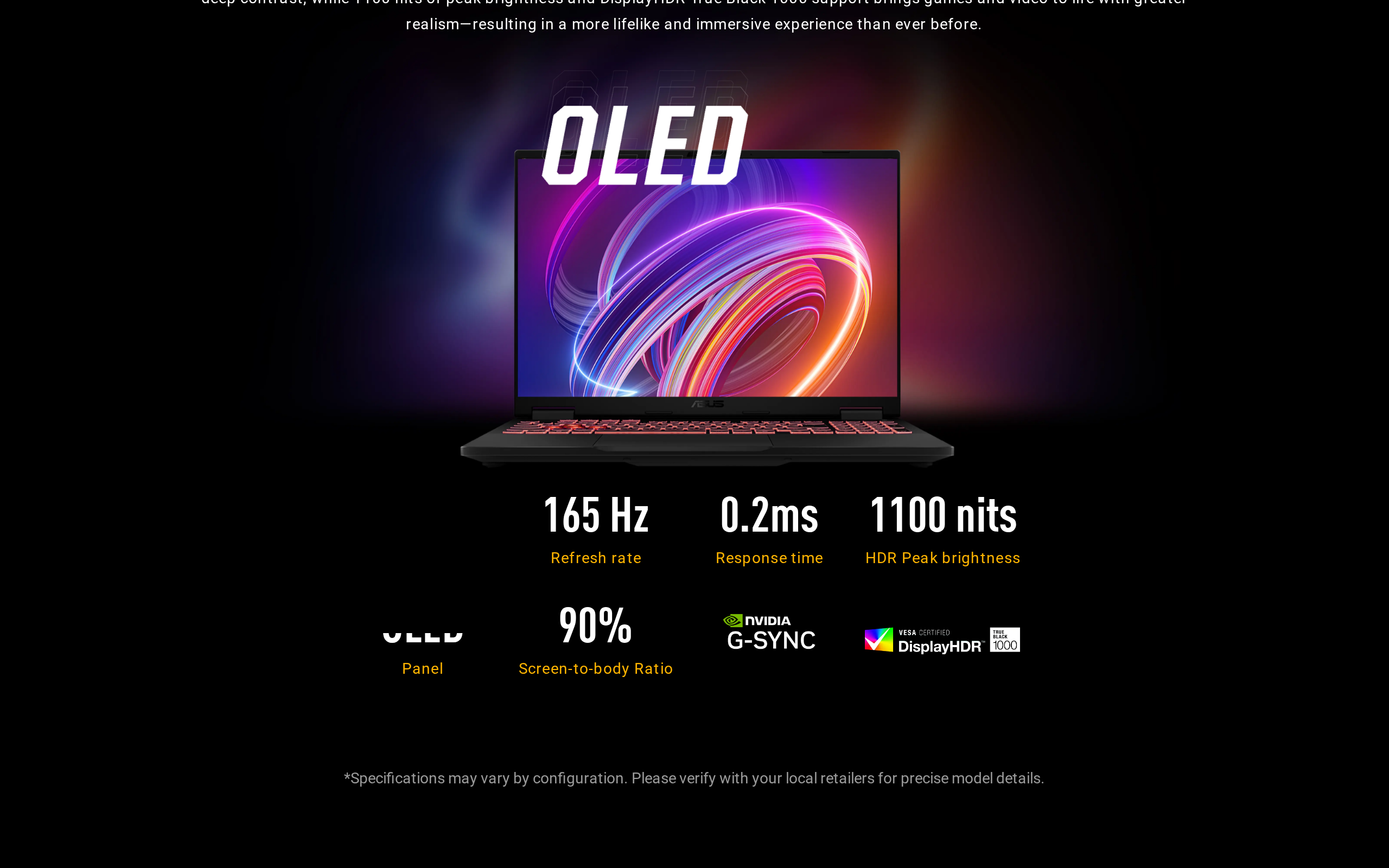
The panel is a 16 inch, 2560x1600 IPS with a 16:10 shape and a 165 Hz refresh rate. A matte coating keeps reflections down. The weakness is brightness: the base IPS option is rated for about 400 nits, which is fine in a dim room and dull next to a window. A 300 Hz IPS option and a 165 Hz OLED with 1,100 nits peak exist, but the OLED costs more and its availability varies by region.
Geeks3D's unit had a 1920x1200 panel, a reminder that the model name covers several screens. Check the exact SKU before paying.
Cooling and noise
Two second-generation Arc Flow fans, a full-width heatsink and 0.1 mm copper fins do the work. ASUS quotes up to 38 dB in performance mode and a silent mode with the fans off. The tested RTX 5070 reached 86 C at 146 W total draw, which is warm but stable, and the reviewer called the laptop extremely quiet in normal use.
Specs
- CPU
- Up to AMD Ryzen 9 8940HX (16 cores); lower SKUs use Ryzen 7 or Ryzen 9 270
- GPU
- Up to NVIDIA RTX 5070 Laptop GPU, 8 GB, up to 115 W
- Display
- 16 inch 2560x1600 IPS (165 Hz base, 300 Hz option) or 165 Hz OLED
- Memory
- Up to 32 GB DDR5-5600 per slot, user-upgradeable
- Storage
- Up to 2 TB PCIe Gen 4 per slot
- Battery
- 90 Wh, 50% charge in 30 minutes via 100 W USB-C
- Power
- CPU 65 W, GPU 115 W, total up to 180 W in manual mode
- Weight
- Under 2.3 kg, 17.9 mm at the thinnest point
- Ports
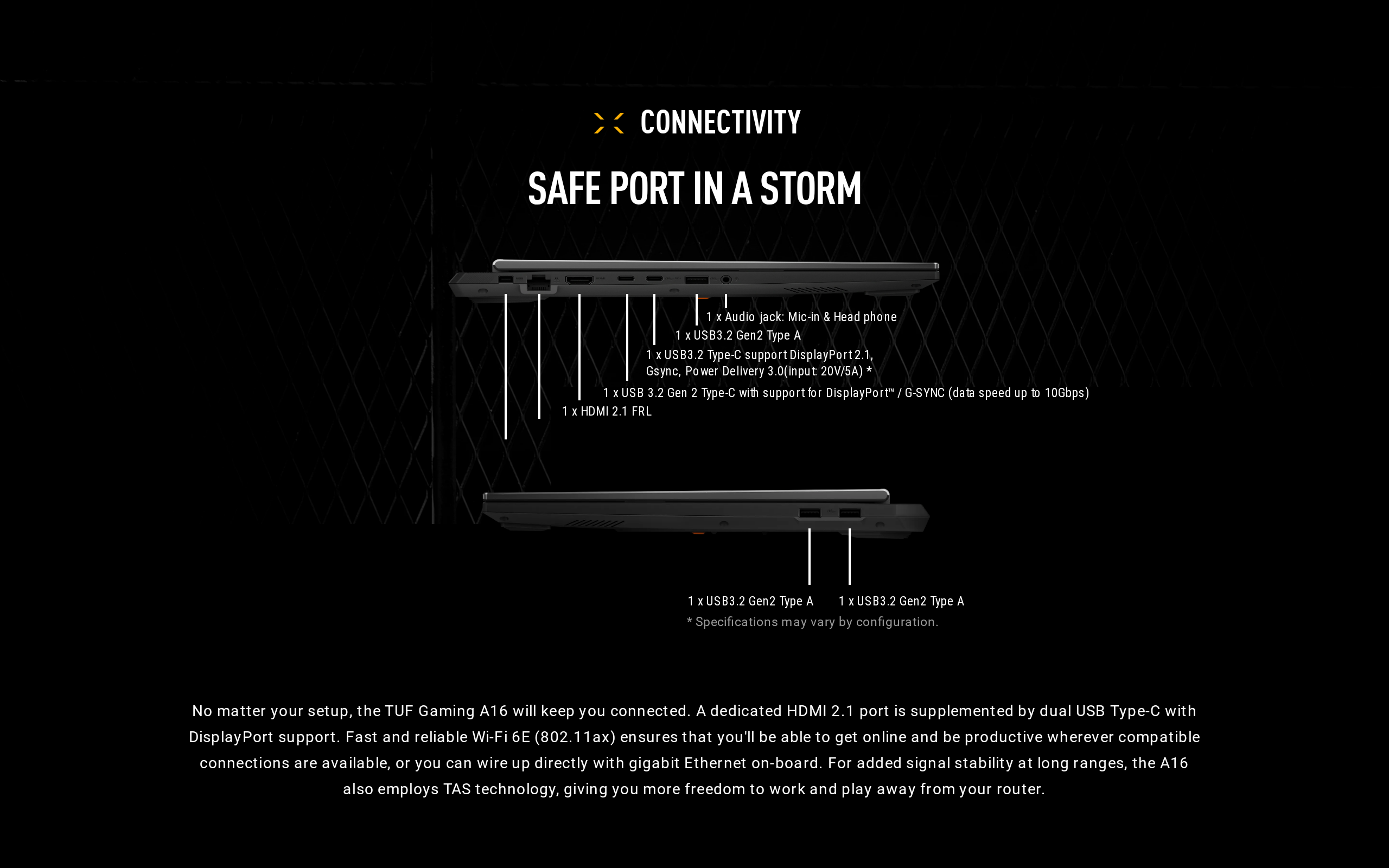
- HDMI 2.1, 2x USB-C, 2x USB-A, Gigabit LAN, 3.5 mm audio
- Wireless
- Wi-Fi 6E