Loading
S
A
B
C
Every review we have published, highest score first. S tier is 9.0 and up, A is 8.0 to 8.9, B is 6.5 to 7.9, C is below 6.5.
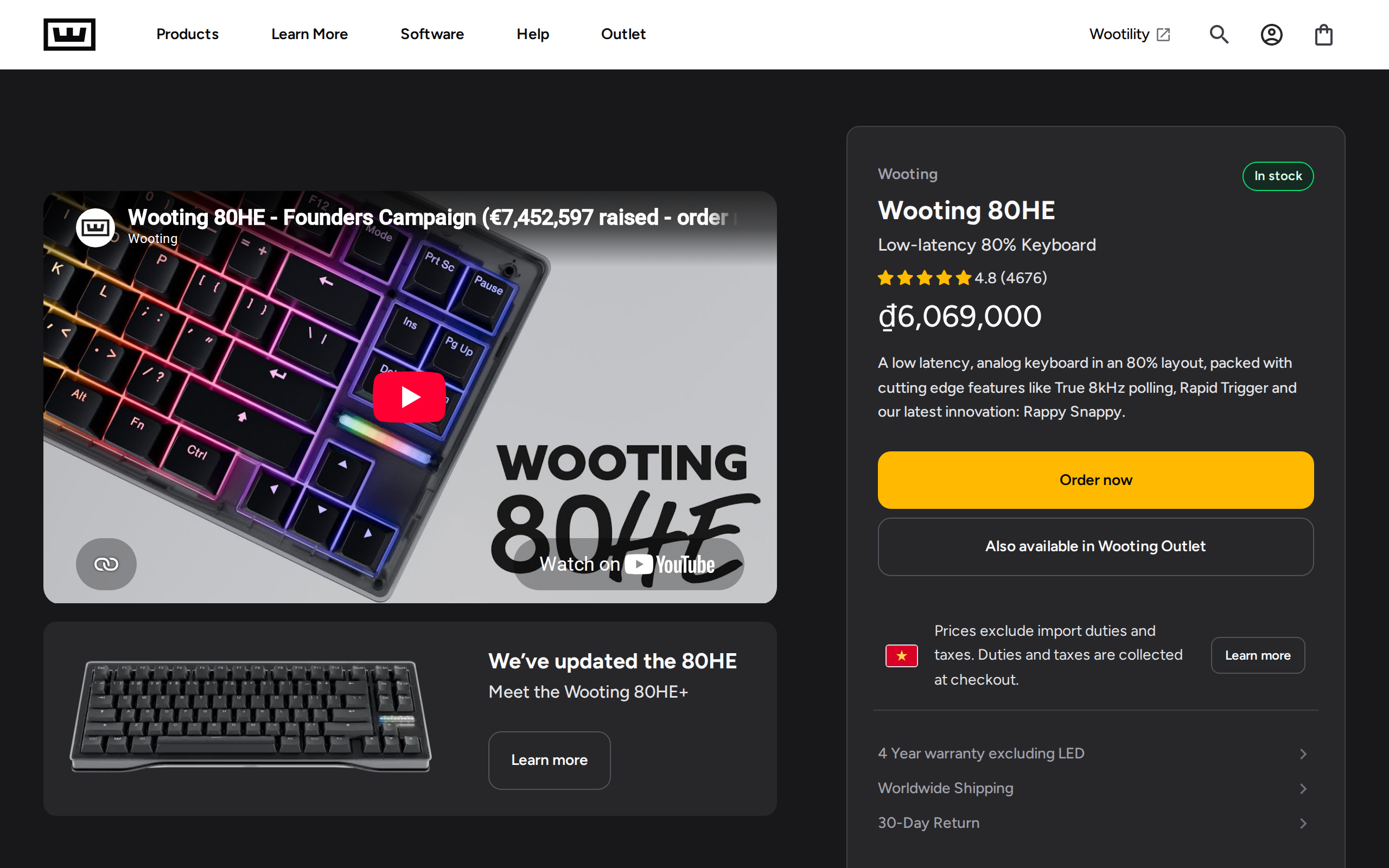
Best forCompetitive FPS and rhythm players who tune every key
The Wooting 80HE is the Hall effect keyboard other boards are still judged against: adjustable actuation from 0.1mm to 4.0mm, Rapid Trigger, true 8kHz polling and Wootility software that makes tuning easy. It is wired only and the 80 percent layout will not please every modder. Buy it if you play competitive shooters or rhythm games. Skip it if you want wireless or the lowest price.
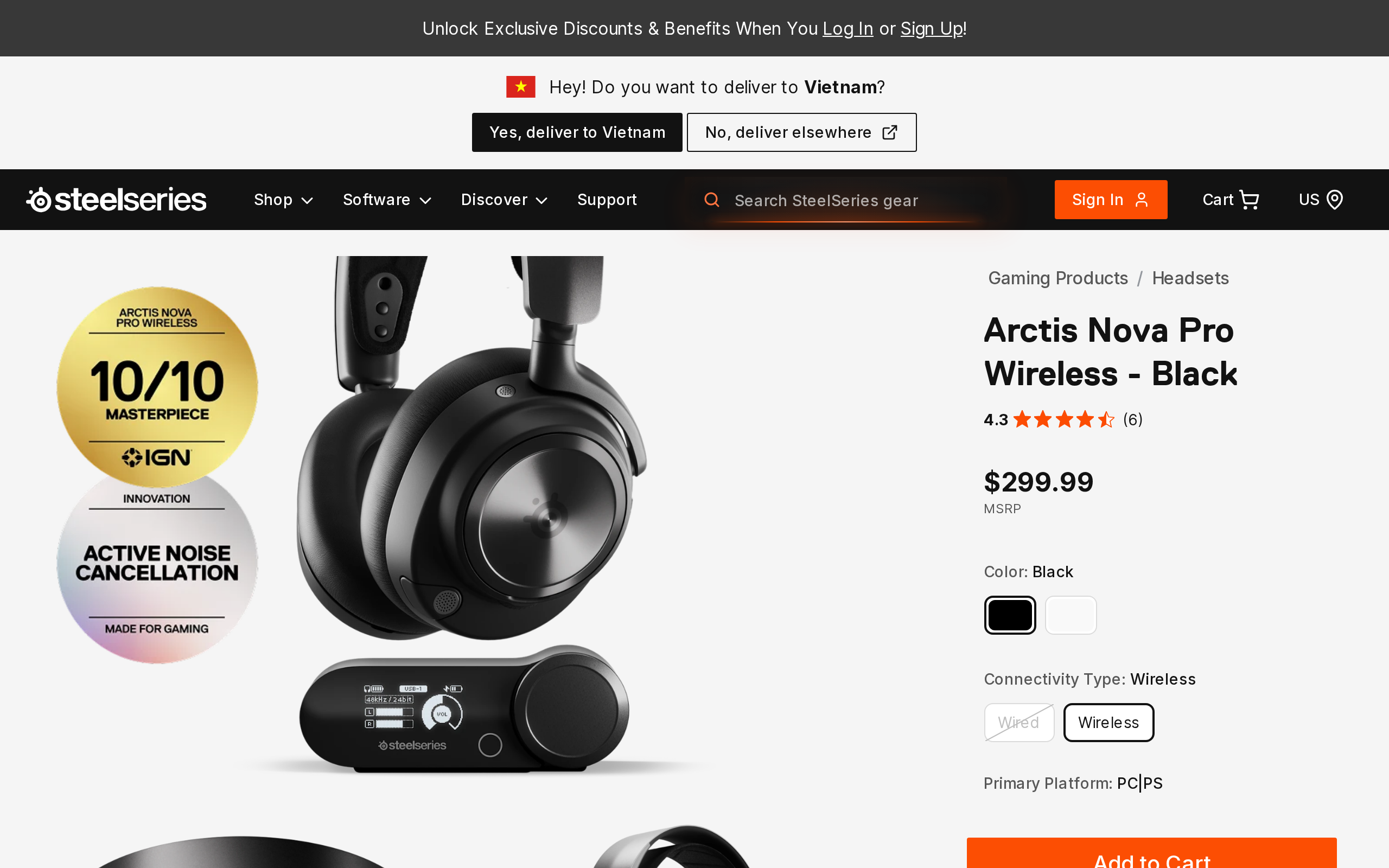
Best forPC and PlayStation players who want one do-it-all headset
The Arctis Nova Pro Wireless is still the headset we would hand to most players with a PC and a PlayStation: the hot-swap batteries remove battery anxiety, the base station makes game and chat mixing easy, and Sonar gives deep EQ control. The noise cancellation is only good, not great, and the earcups are bulky on small heads. Buy it if you want one set for everything. Skip it if you want the best ANC.
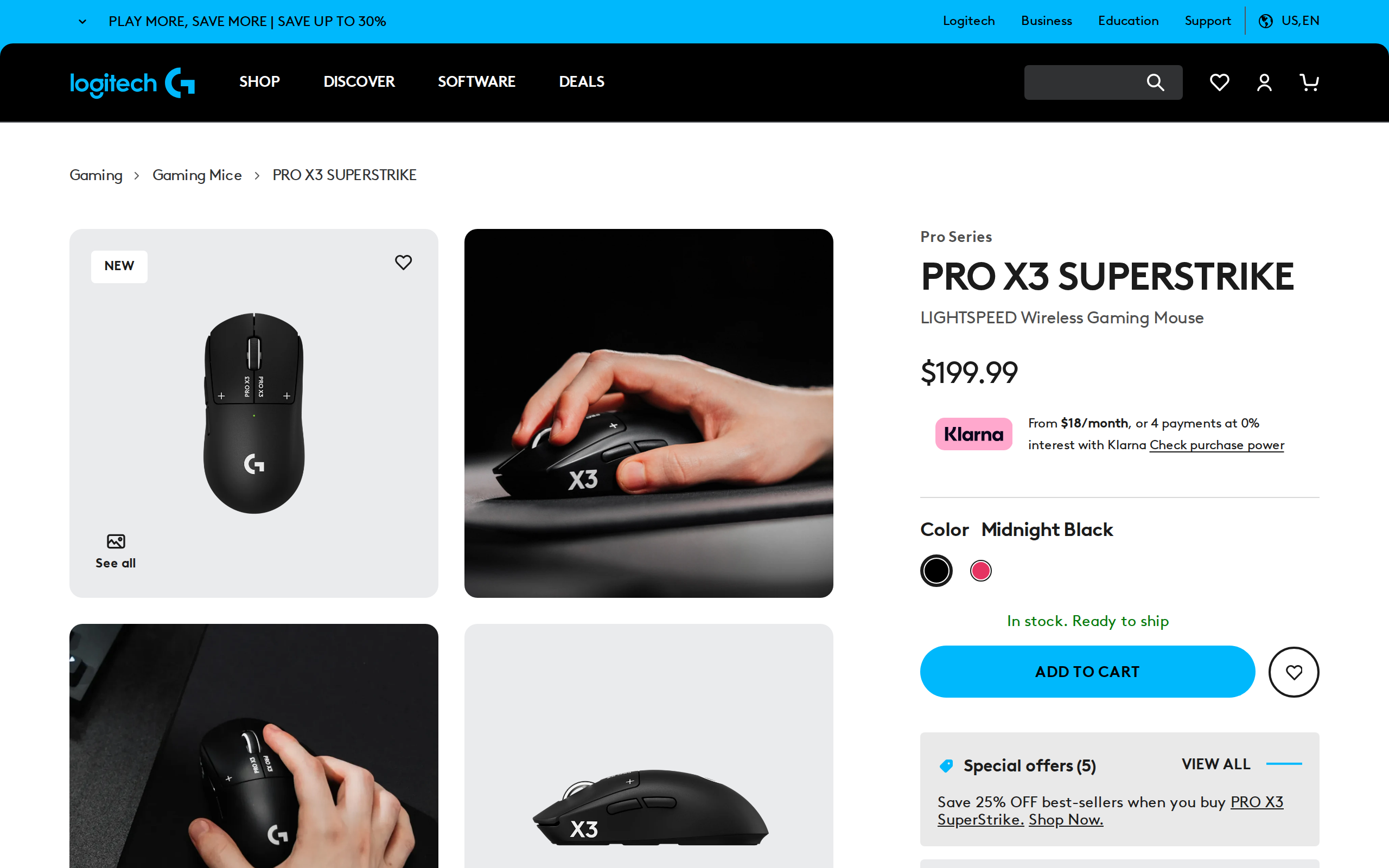
Best forCompetitive FPS players who want tunable, ultra-fast clicks
The Pro X3 Superstrike is the most advanced click we have seen on a wireless mouse: tunable actuation, Rapid Trigger resets and a measured click latency of roughly 0.12ms at 1,000Hz. The edge is real but tiny, and the price is high. Buy it if you play tactical shooters competitively and want to tune every press. Everyone else gets 95 percent of the benefit from a cheaper pro-grade mouse.
Best forRight-handed palm and claw grippers who want a light esports mouse
The best ergonomic wireless mouse for right-handed palm and claw grips: 56 g, optical Gen-4 switches, a 45K sensor and 8000 Hz polling over wireless. It is large, the clicks are loud and hollow, and $169.99 is a lot. Small hands and fingertip grippers should skip it, and anyone happy with 1000 Hz can pay less.
Best forPlayers who want maximum 16-inch performance on a desk
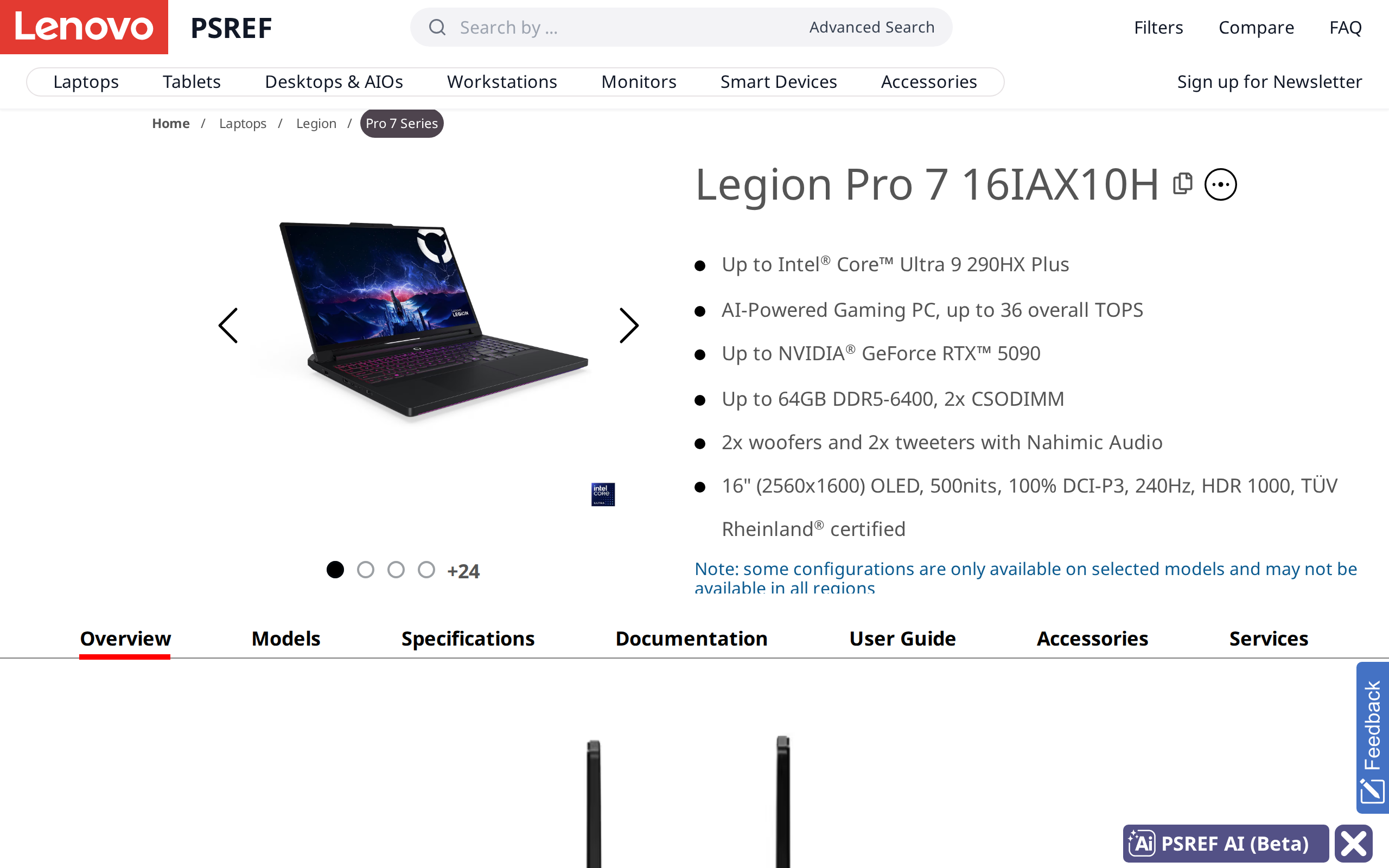
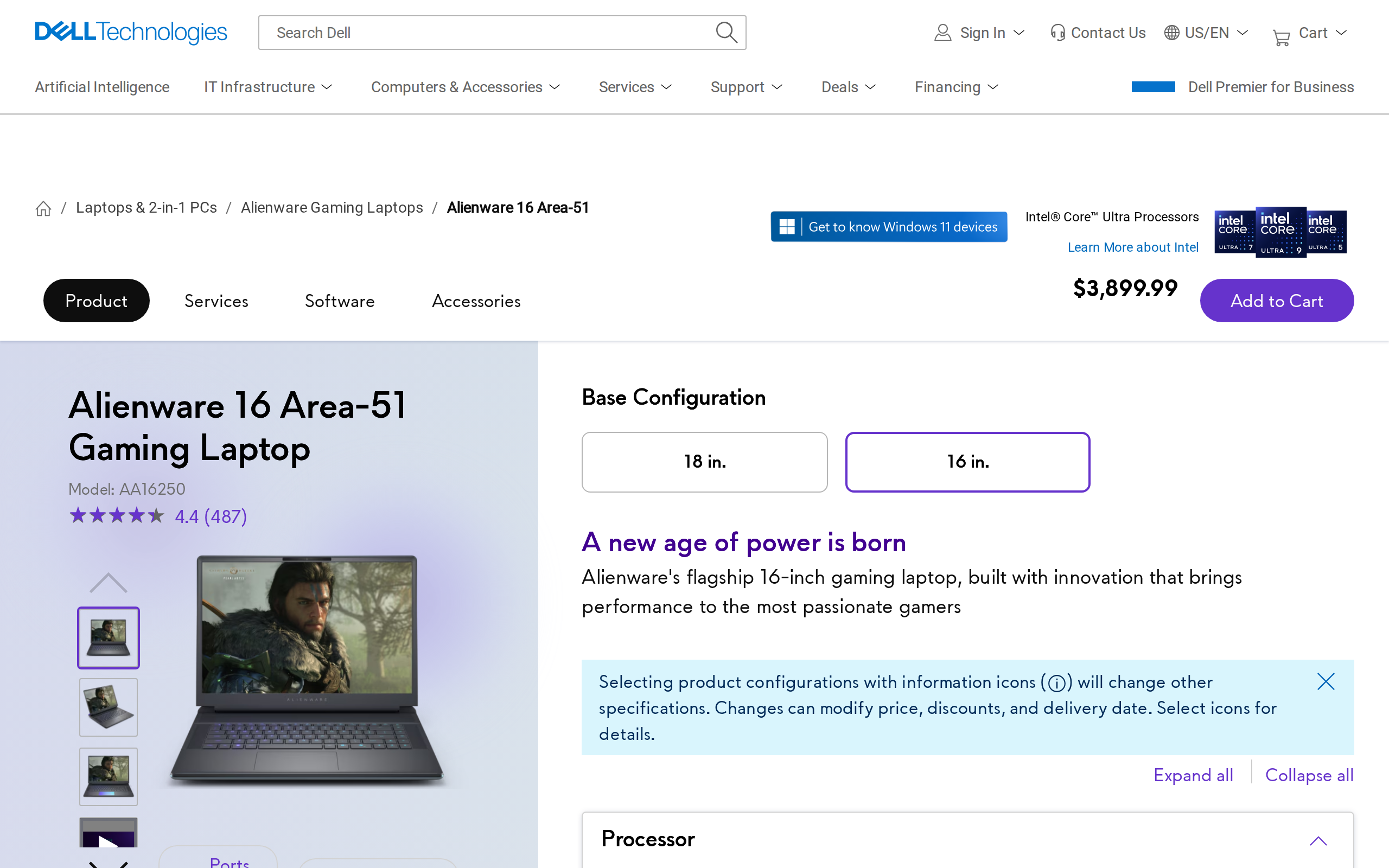
One of the fastest 16-inch gaming laptops you can buy, with a 240 Hz OLED screen and a chassis built to keep a 175 W RTX 5080 or 5090 cool. It is heavy at about 2.65 kg, battery life under gaming is around two hours, and the glossy panel reflects light. Buy it as a desk-bound desktop replacement. Skip it if you travel.
Best forPC and mobile players who want an upgrade over the Xbox pad
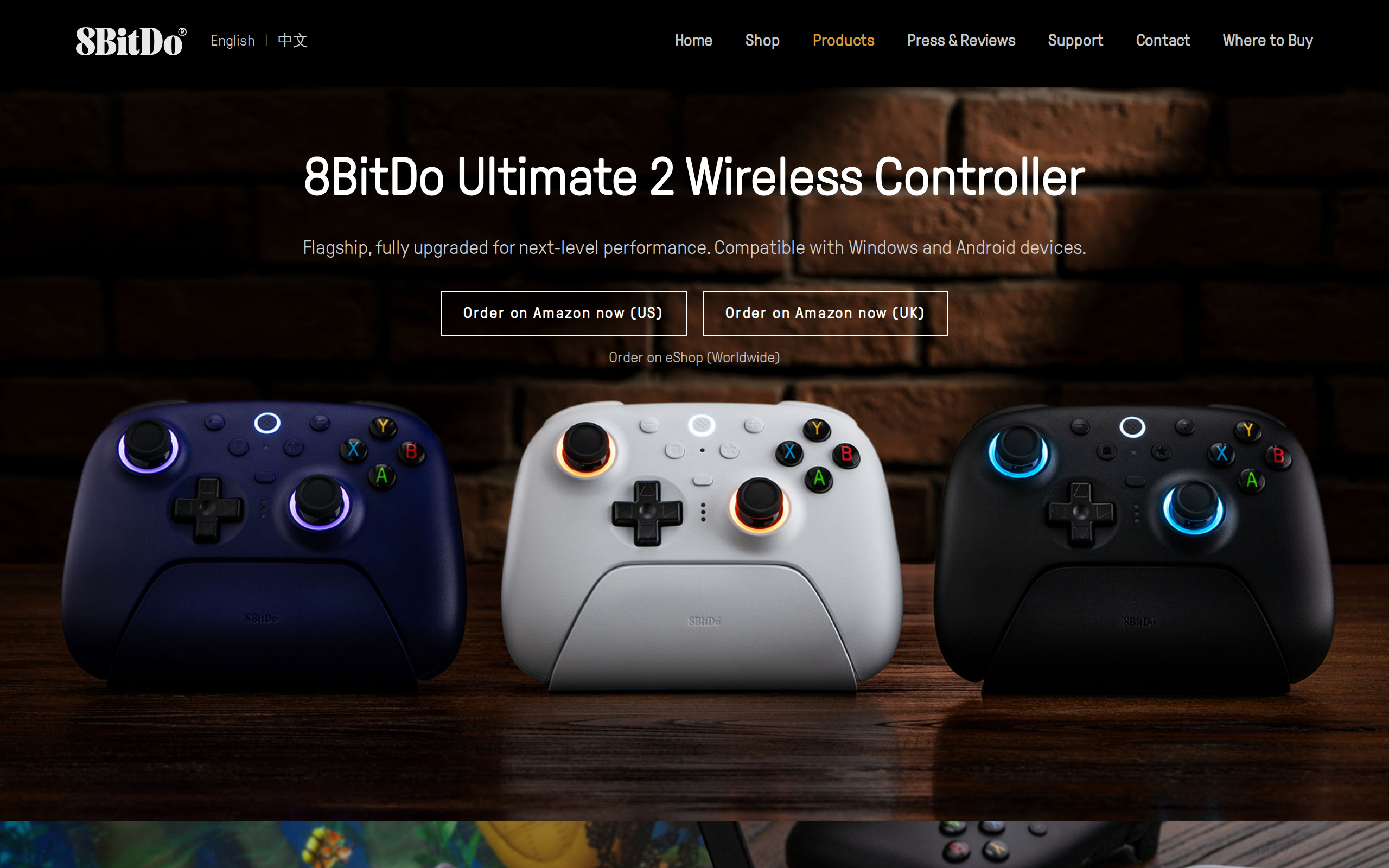
The smartest PC controller buy under $60. TMR sticks, Hall effect triggers, two rear paddles, a charging dock that is also the receiver and measured 2.4G latency near 4 ms for button presses make it feel like a pad that costs twice as much. It will not work on Xbox, PlayStation or Switch, and battery life is middling with the lights on.
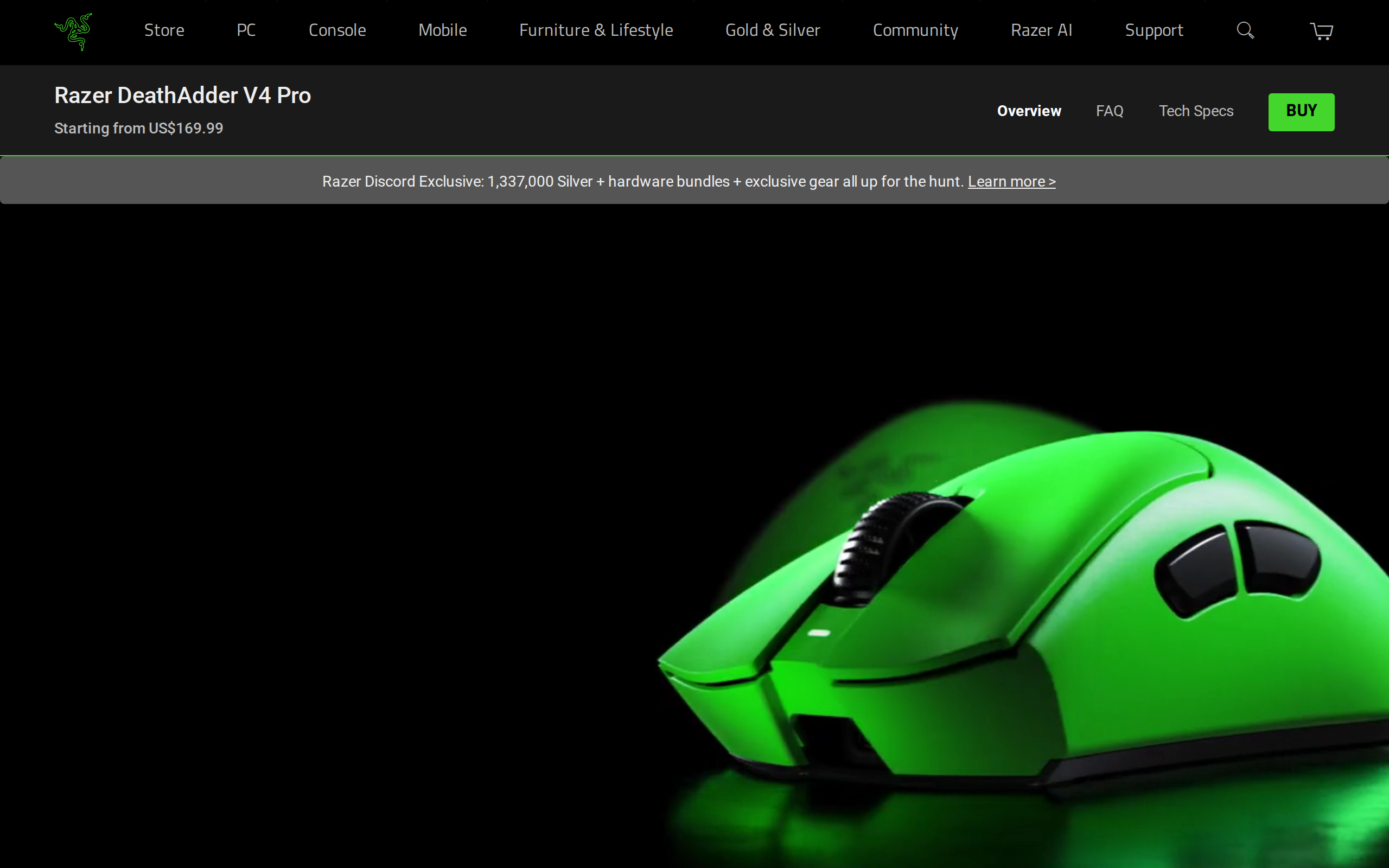
Best forClaw and fingertip grip players chasing the lightest wireless mouse
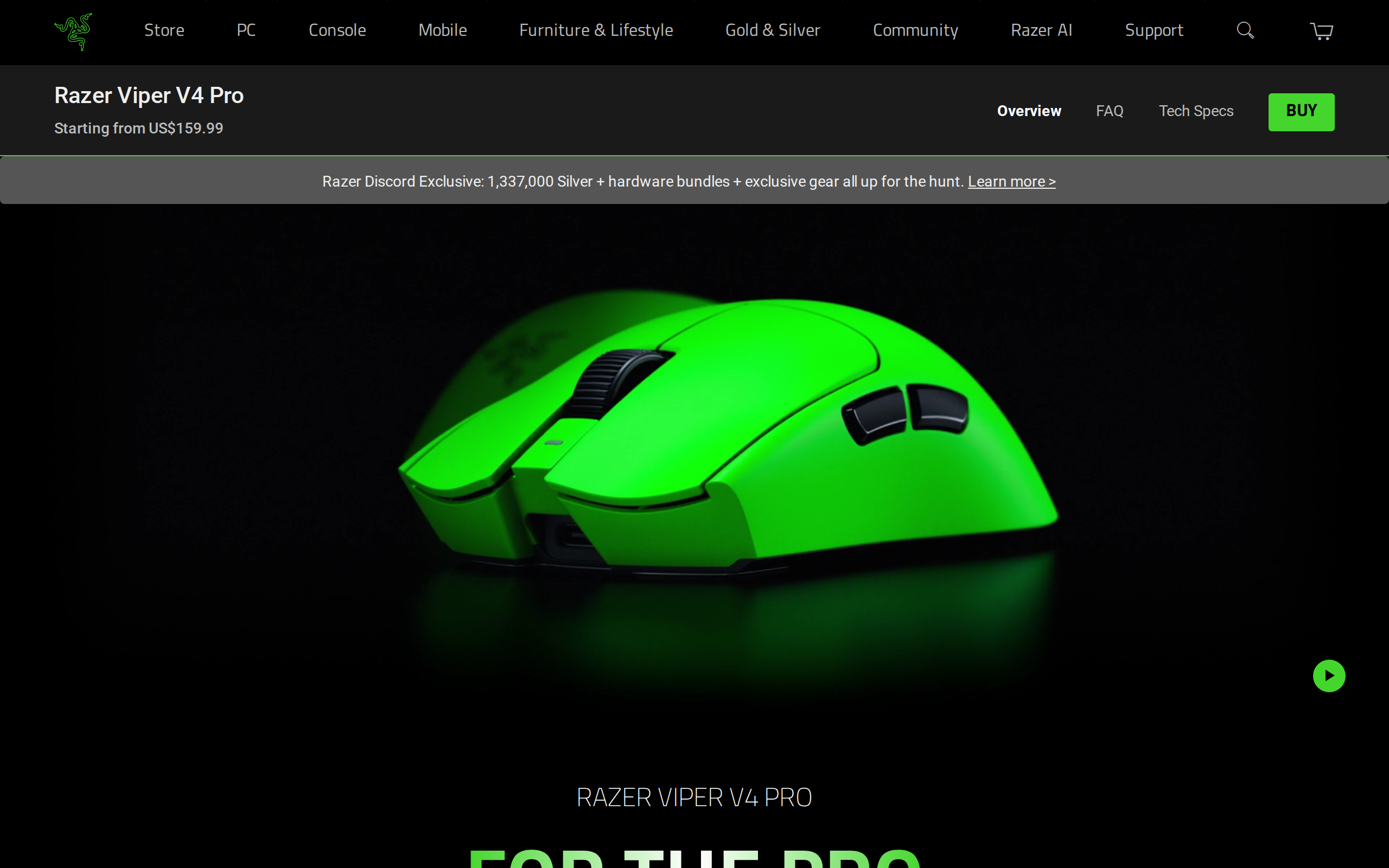
The Viper V4 Pro is the mouse to buy if you play with a claw or fingertip grip and want the lowest weight that still feels like a real shell. At 49 g it is 11 g lighter than the Logitech G Pro X Superlight 2, with a faster sensor and a sharper shape. Battery life at 8000Hz and loud clicks hold it back.
Best forFamilies and anyone who wants one console for TV and travel
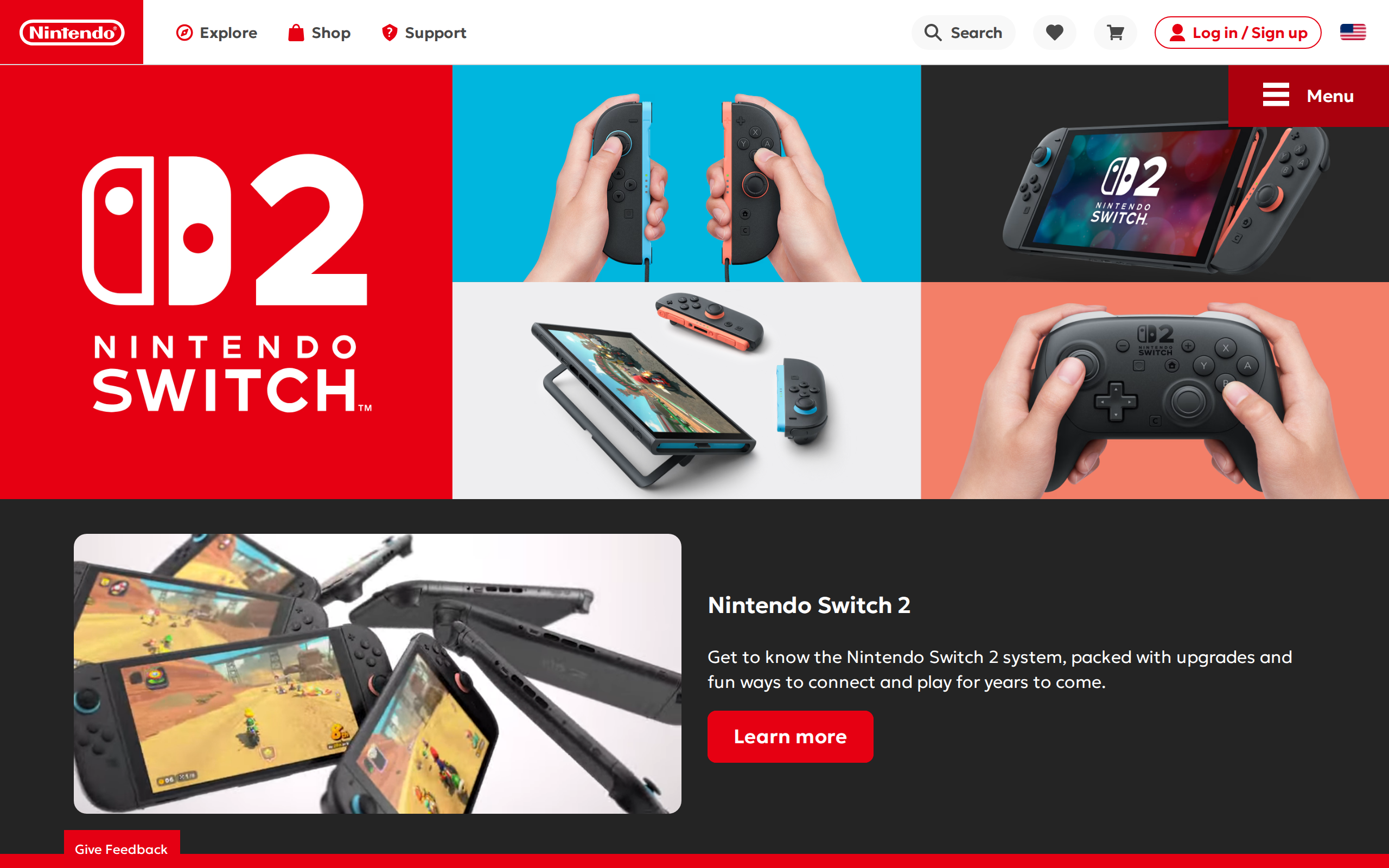
The Switch 2 is still the easiest console to hand to a mixed-age household, and the screen, dock and storage justify the jump over the first Switch. But $499.99 with no game in the box is a steep entry fee. Buy it if your family plays together on one TV and in handheld mode. Skip it if you mainly want graphics muscle or online shooters.
Best forBudget players who want real HDR and 180 Hz at 1440p
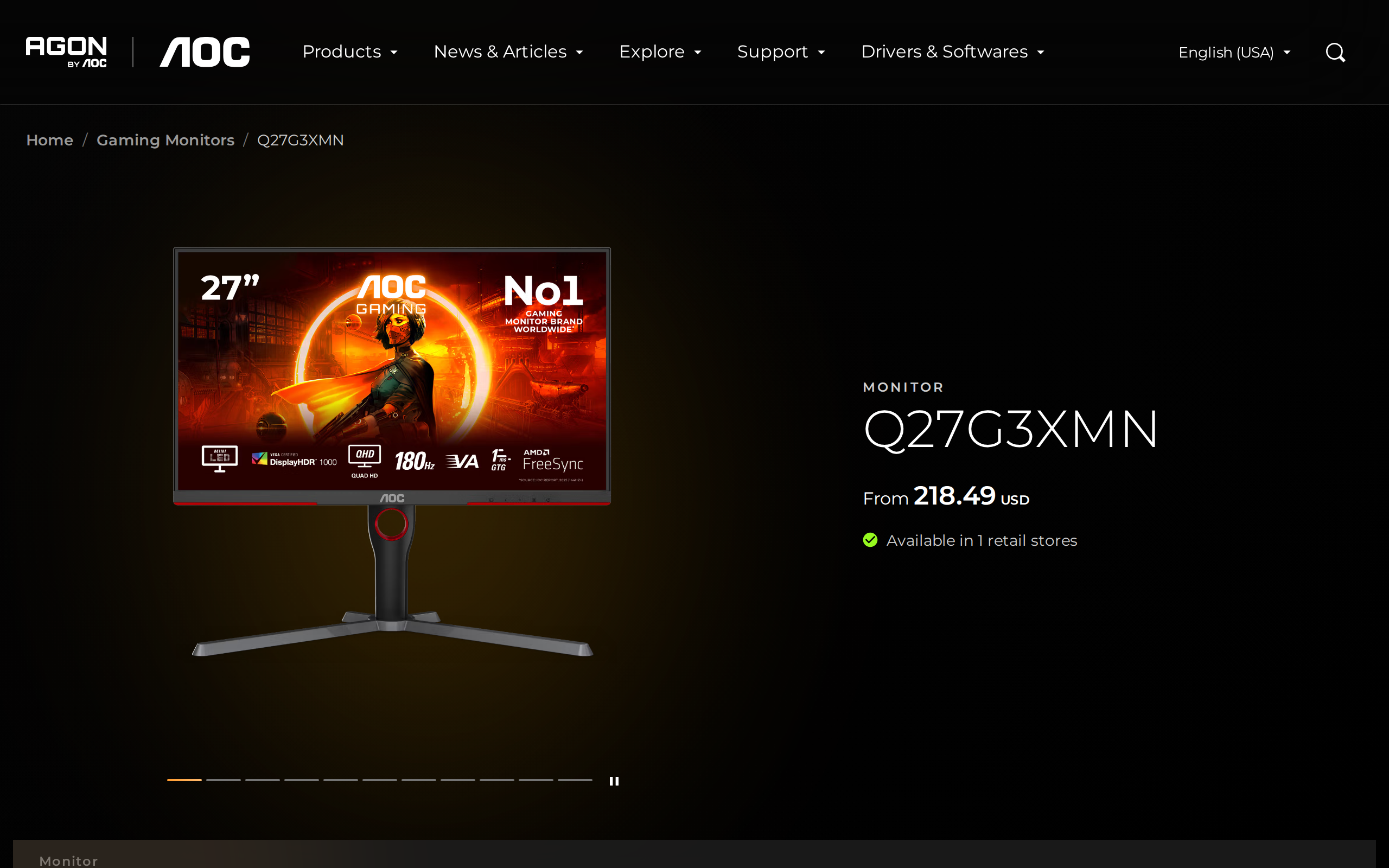
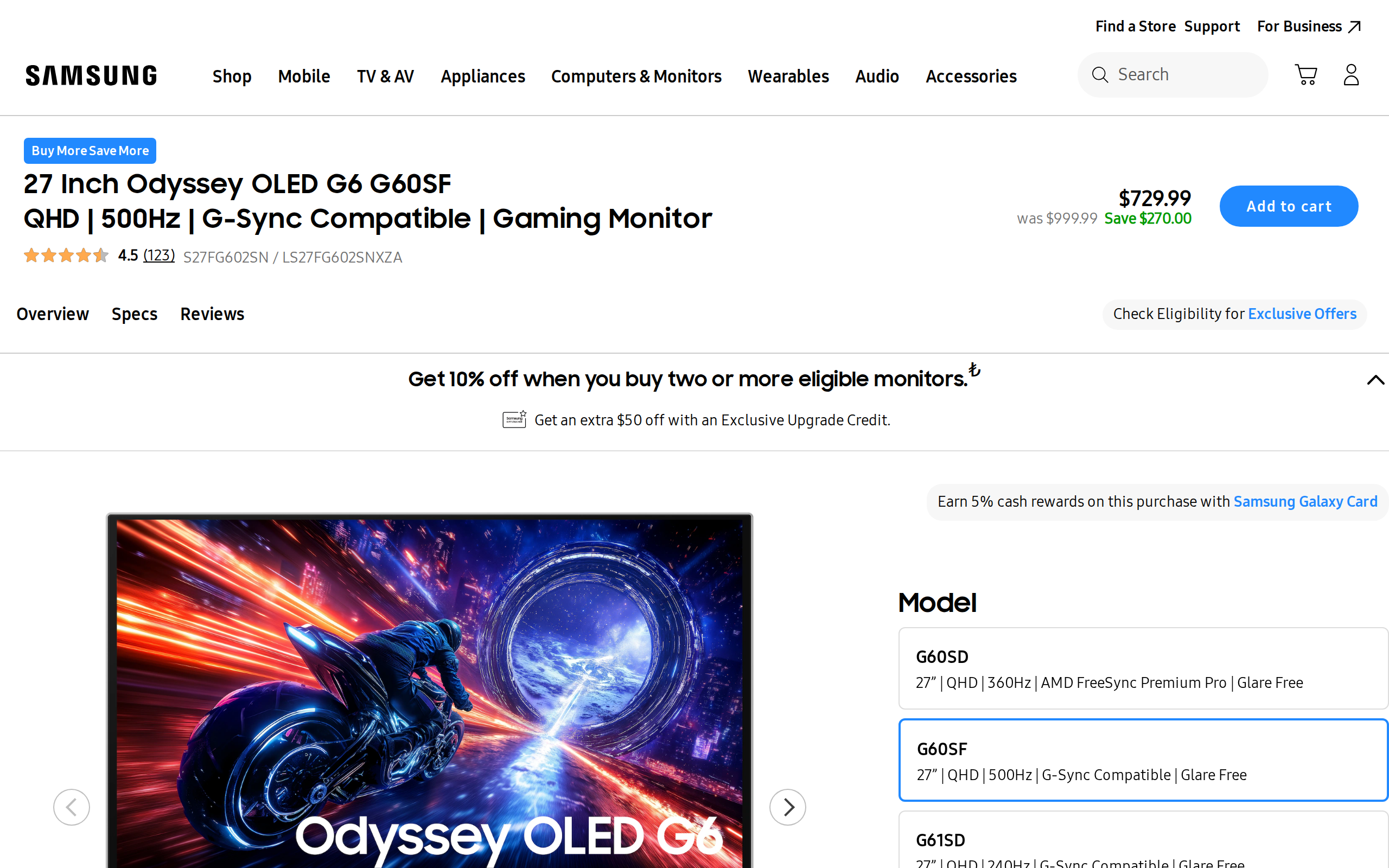
The cheapest way to see real HDR on a 1440p gaming monitor. 336 dimming zones, up to 1,365 nits measured and 180 Hz with low input lag put it well ahead of any edge-lit panel at the price. It blooms around small bright objects, the menu is fiddly, and HDMI tops out at 144 Hz. Buy it for HDR on a budget, not for OLED black.
Best forOffice typists who also want a rapid-trigger board for games
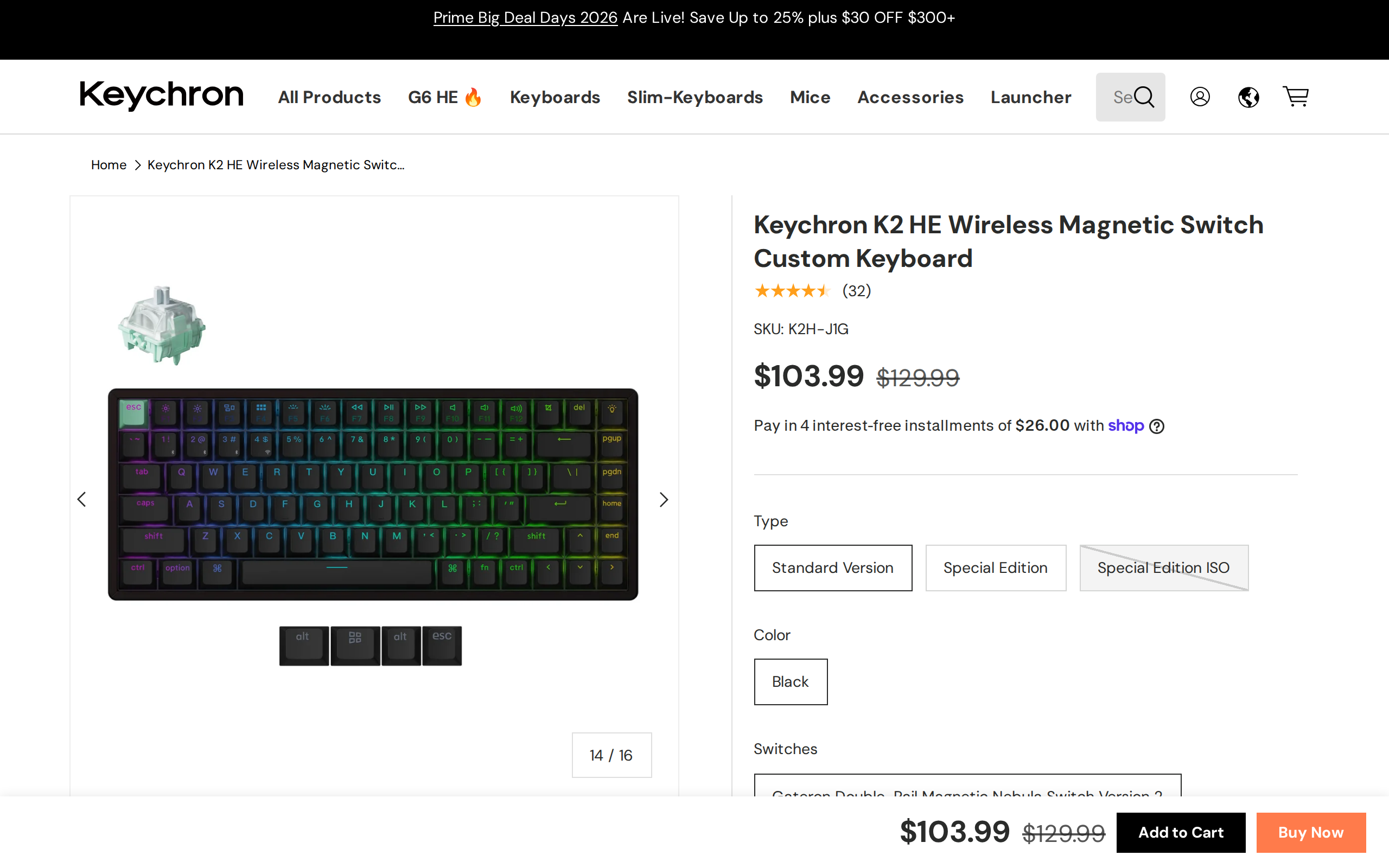
A strong one-board answer for people who type all day and play on the side. Rapid trigger, adjustable actuation and 1,000 Hz wireless are all here, and the typing sound is deeper than most gaming boards. It is heavy, the USB-C port sits on the side, and only proprietary magnetic switches fit. Esports players should look at faster boards.
Best forCompetitive PC and console players who talk a lot on comms
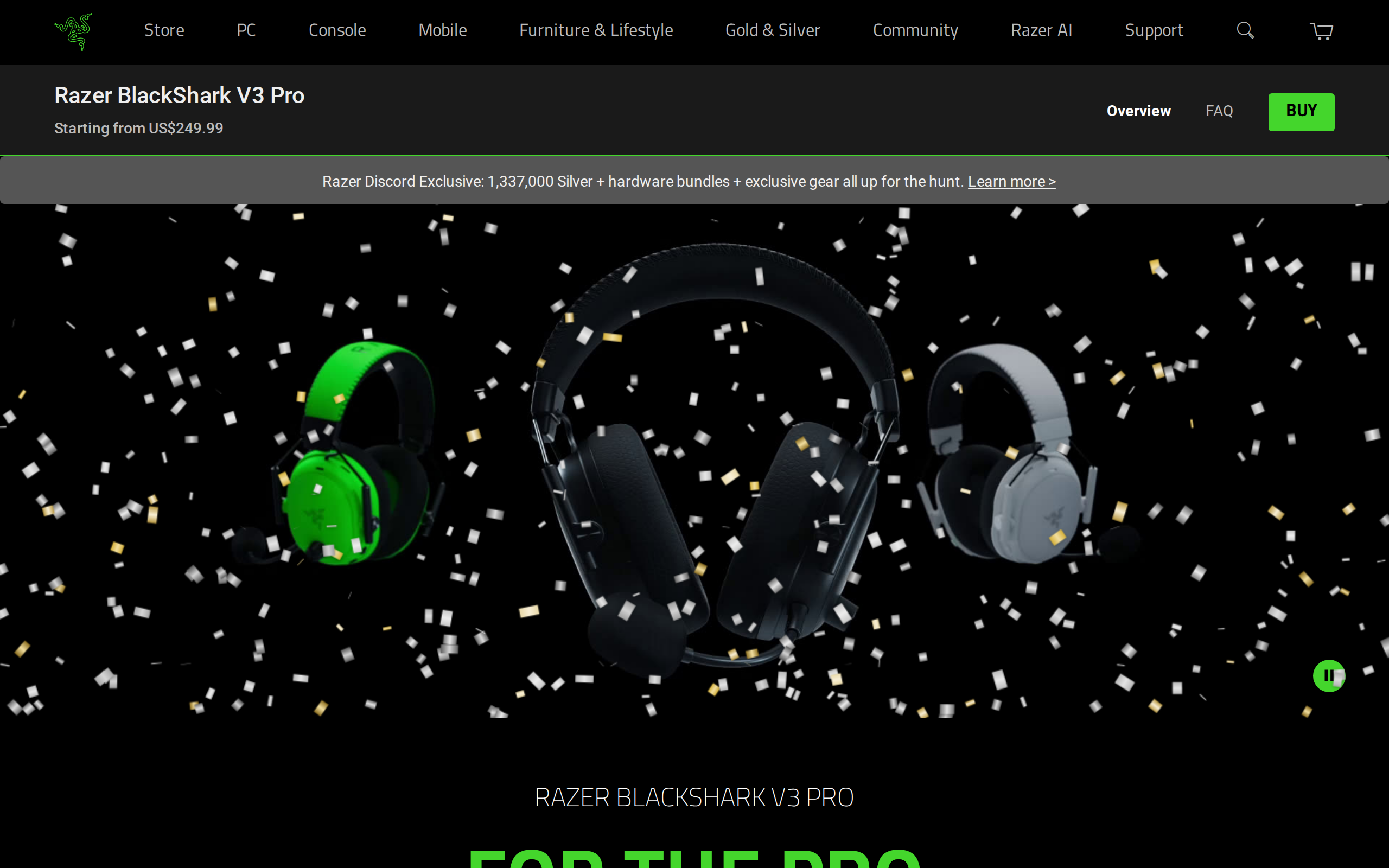
This is the wireless headset we would hand to a competitive player first. The mic is clear, the 2.4 GHz link is fast, battery life is excellent, and the tuning keeps footsteps and gunfire easy to place. The ANC is only decent, music is less exciting than on a bass-heavy rival, and $249.99 is not cheap.
Best forPeople who type all day and also play competitive games
The Azoth 96 HE is the nicest Hall effect keyboard to type on, with a dense metal frame, six layers of dampening and a screen that earns its place on a desk. Gaming speed is on par with cheaper boards, so you are paying for feel. Buy it if you type all day and game at night. Everyone else should save $100 or more.
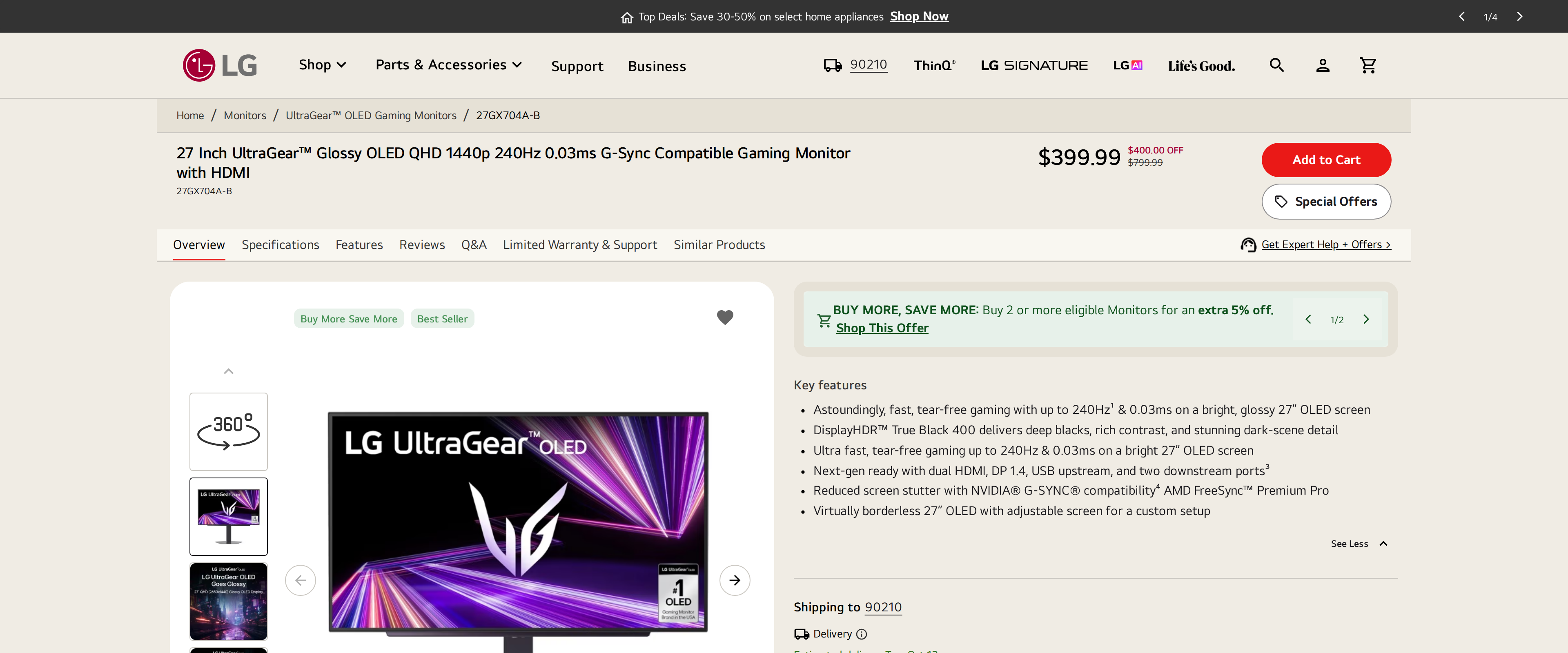
Best forGamers moving from IPS who want OLED without a flagship bill
The 27GX704A-B is the first OLED gaming monitor we would call a normal purchase. Perfect blacks, near-instant response and 240Hz at 1440p come at a price close to a good IPS panel. It is dim in bright scenes and the glossy coat reflects lamps, so a bright room needs care.
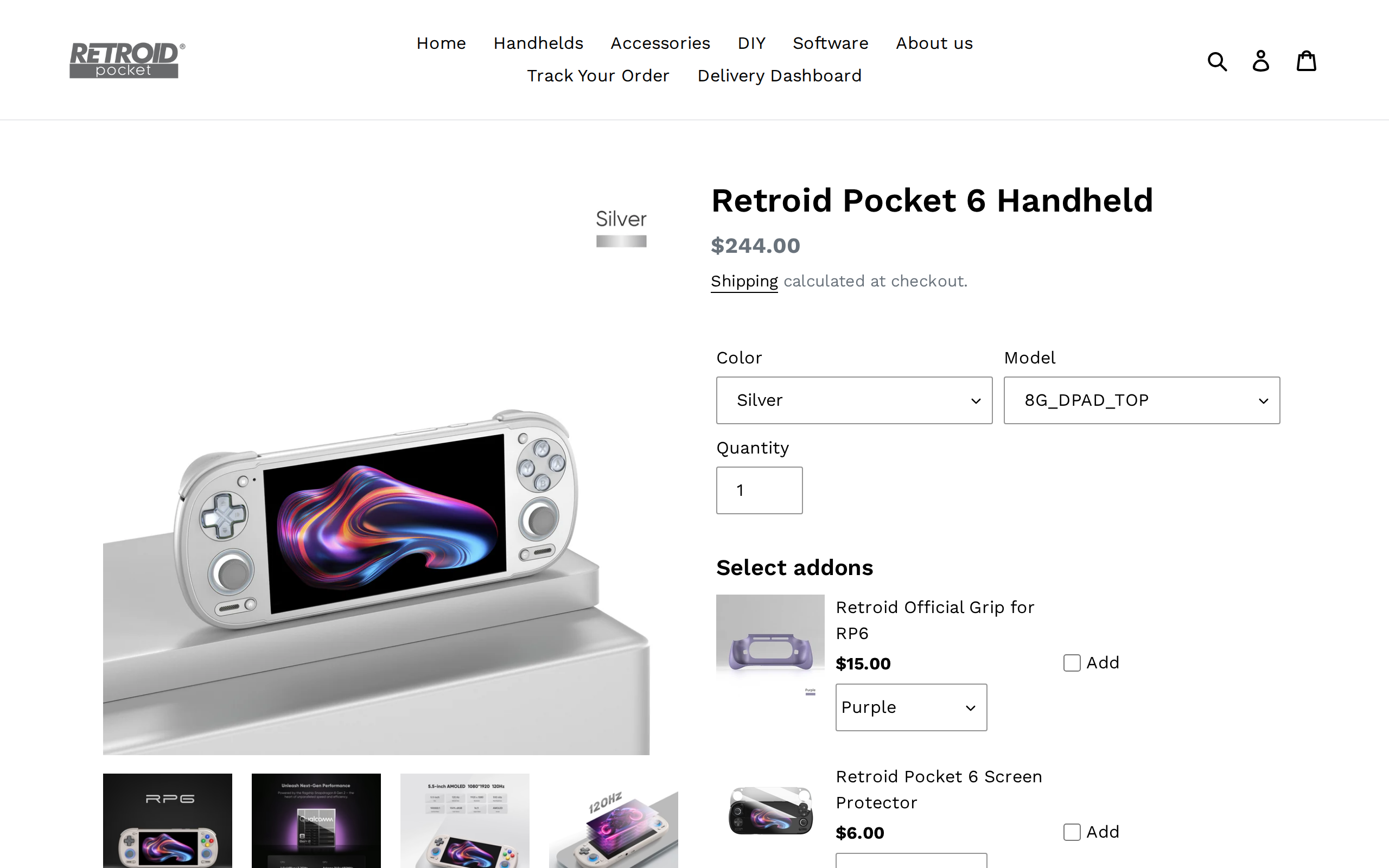
Best forFirst-time emulation buyers who want a Switch-capable handheld
The best-value emulation handheld for newcomers: a fast Snapdragon 8 Gen 2, a lovely AMOLED screen and Hall-effect sticks for $244. Everything through PS2 and GameCube runs well and much of the Switch library is playable. The 8GB of RAM, 128GB of storage and fingerprint-prone glass are the limits.
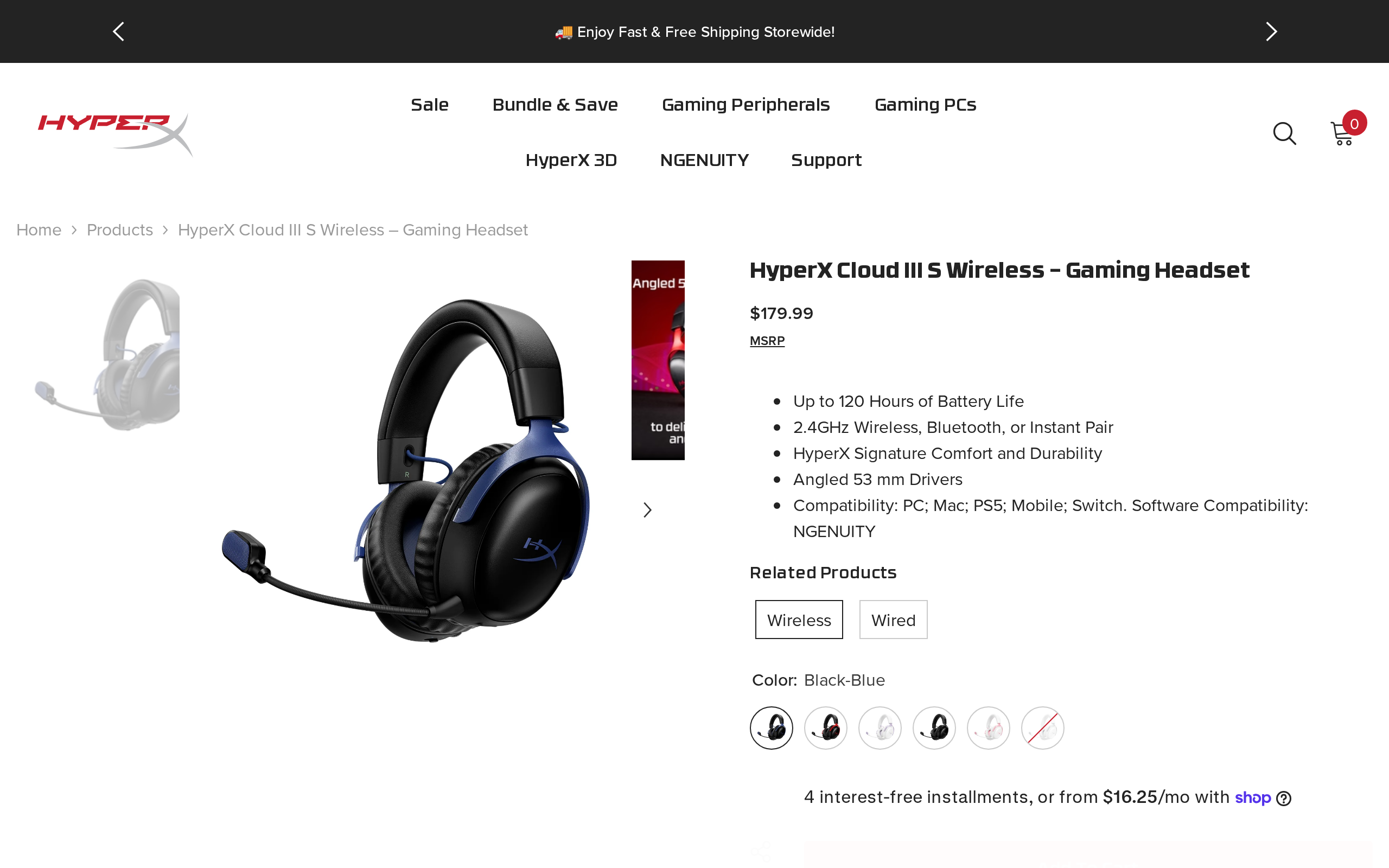
Best forPC and PS5 players who want comfort and weeks of battery
The best-value wireless headset for PC, PlayStation, Switch and phone players who hate charging. It runs about 113 hours on 2.4GHz in independent testing, feels light and padded, and sounds cleaner than the older Cloud III. The boom mic is thin, there is no Xbox support and no noise cancelling, so skip it if you need those.
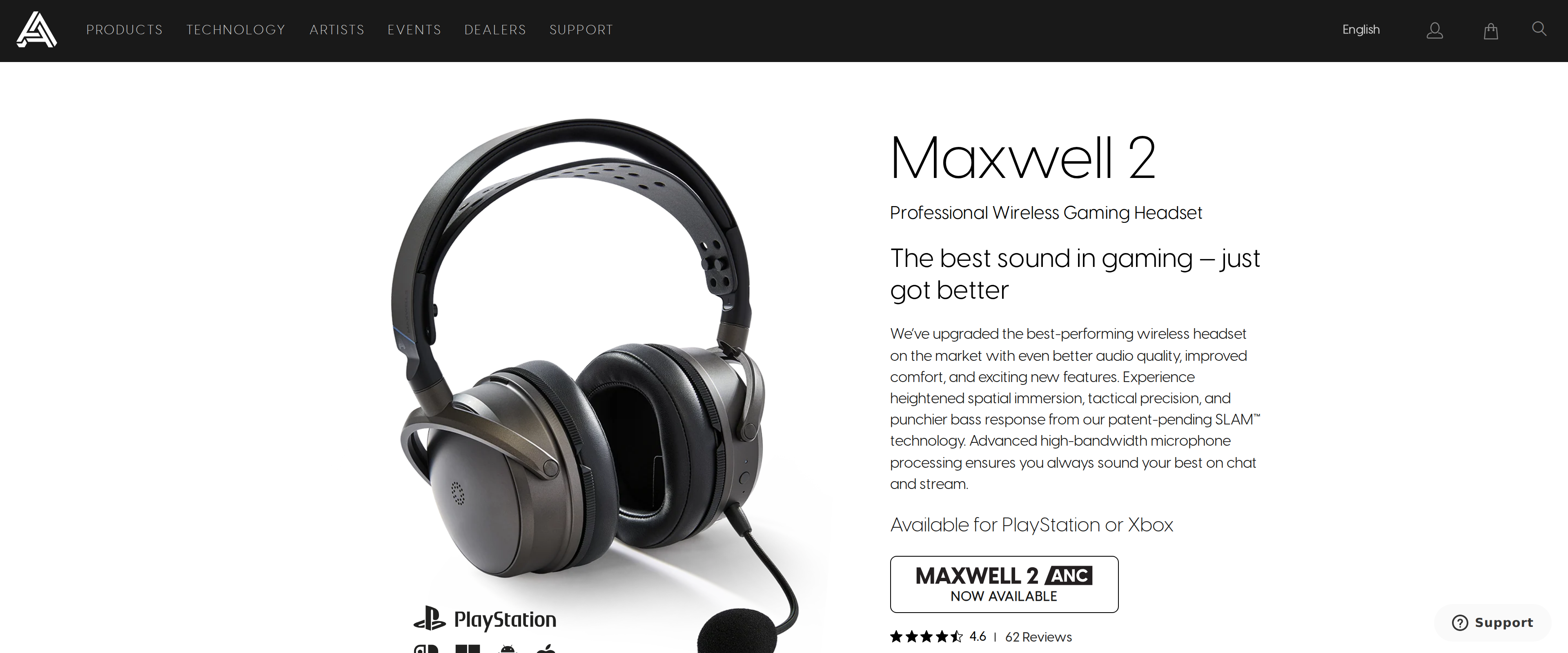
Best forPlayers who care about sound and music as much as chat
The Maxwell 2 is the best-sounding wireless gaming headset we know of, with clear bass control, wide imaging and a battery that lasts. It is a modest step over the original Maxwell, and the weight and microphone hold it back, so owners of the first model should stay put.
Best forCompetitive players with a high-end GPU in a bright room
The fastest 27-inch OLED you can buy in its class, and the matte coat is a real help in bright rooms. It costs you some black depth by day, the VRR flicker is worse than rivals, and it only pays off if your GPU can feed 300fps or more. At the sale price it is easy to like, at list it is a hard sell.
Best forBudget buyers who want a wireless mouse that just works
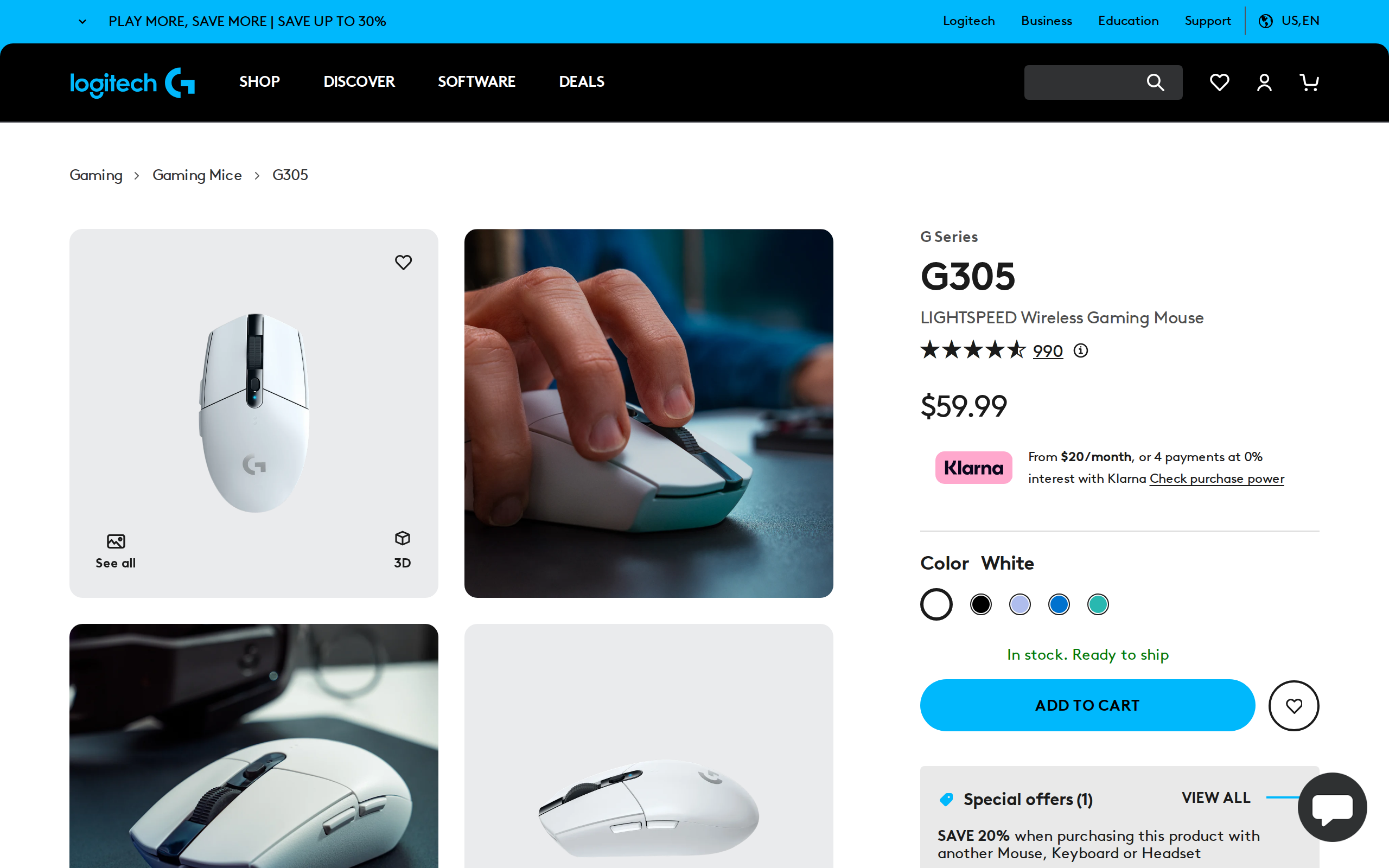
Still the wireless gaming mouse to buy at $59.99 if you want a fast sensor, 1 ms Lightspeed wireless and weeks of battery life from one AA cell. It is heavy at 99 g, its shape suits small and medium hands best, and it has few buttons. Esports players should spend more on a lighter mouse. Everyone else can stop here.
Best forPC players who want pro features without Elite-level prices
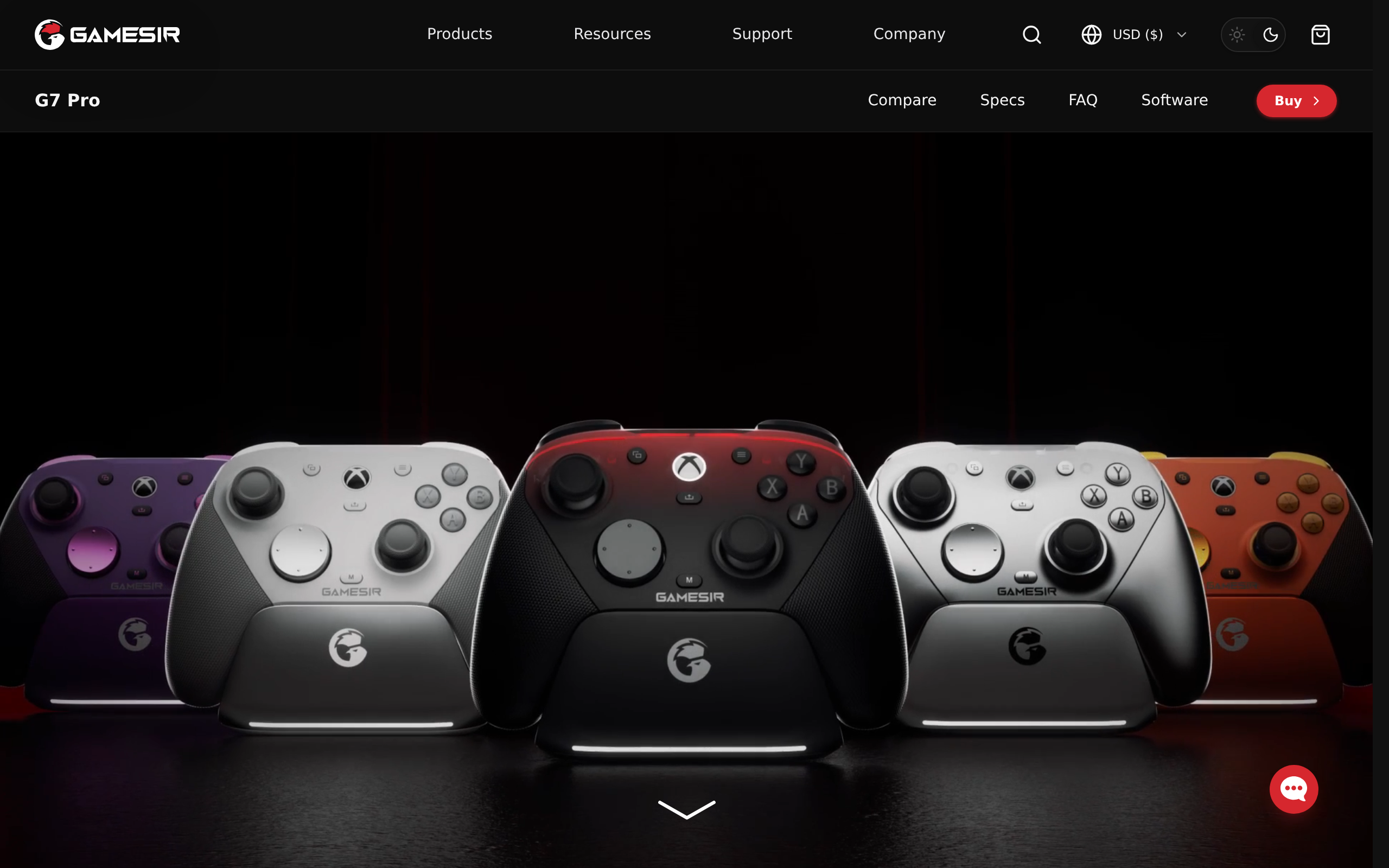
On features the G7 Pro beats Microsoft's standard controller by a mile: drift-resistant TMR sticks, Hall effect triggers with a lockout, clicky face buttons, back paddles and a stand for $79.99. The catch is that on Xbox consoles it is wired only. PC and mobile players get the best deal in the category.
Best forDesktop-replacement gamers who rarely leave the desk
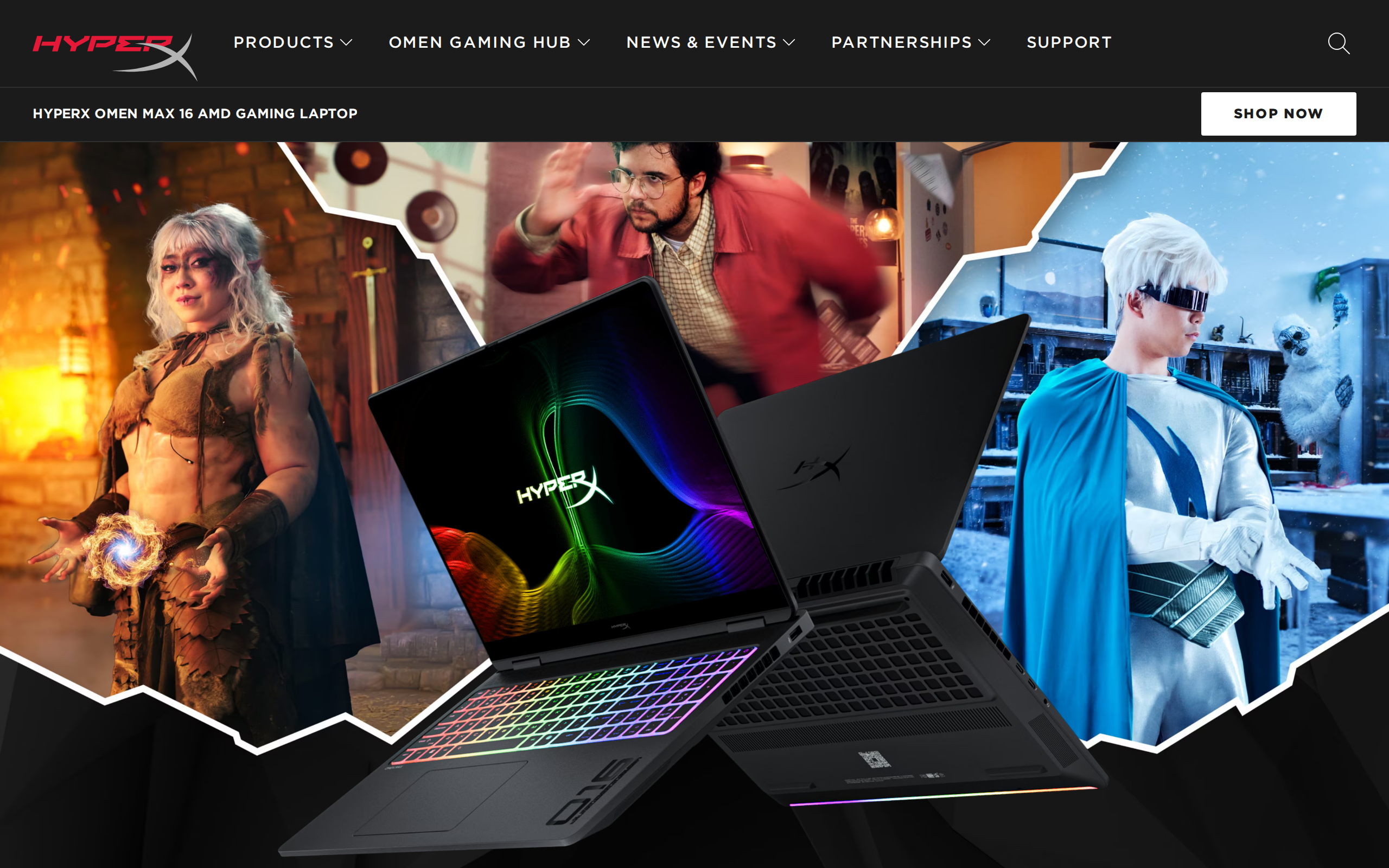
A big, loud-looking 16-inch laptop that backs up its bulk with full-power graphics, user-upgradeable memory and storage, and prices below some thinner rivals. It is a poor travel companion, its battery is short and the chassis runs warm. Buy it as a desktop replacement, not as something to carry daily.
Best forXbox and PC players who want a pad that just works
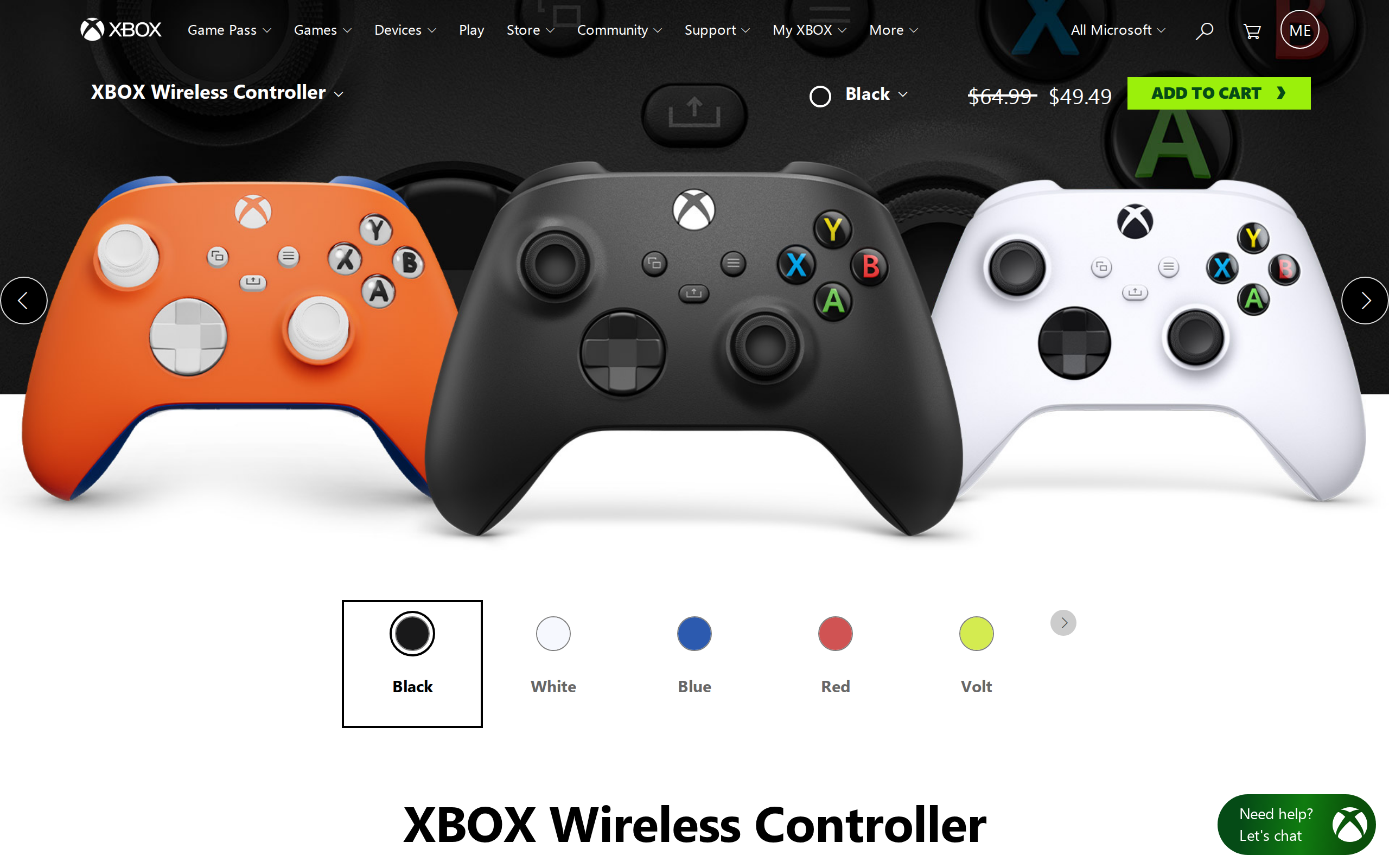
Still the safest controller to buy for an Xbox or a Windows PC: it works with almost everything, fits most hands and costs $64.99, often less on sale. It uses ordinary potentiometer sticks and AA batteries, so it is not the pad for tournament players or anyone who hates swapping cells. For most people it is the right answer.
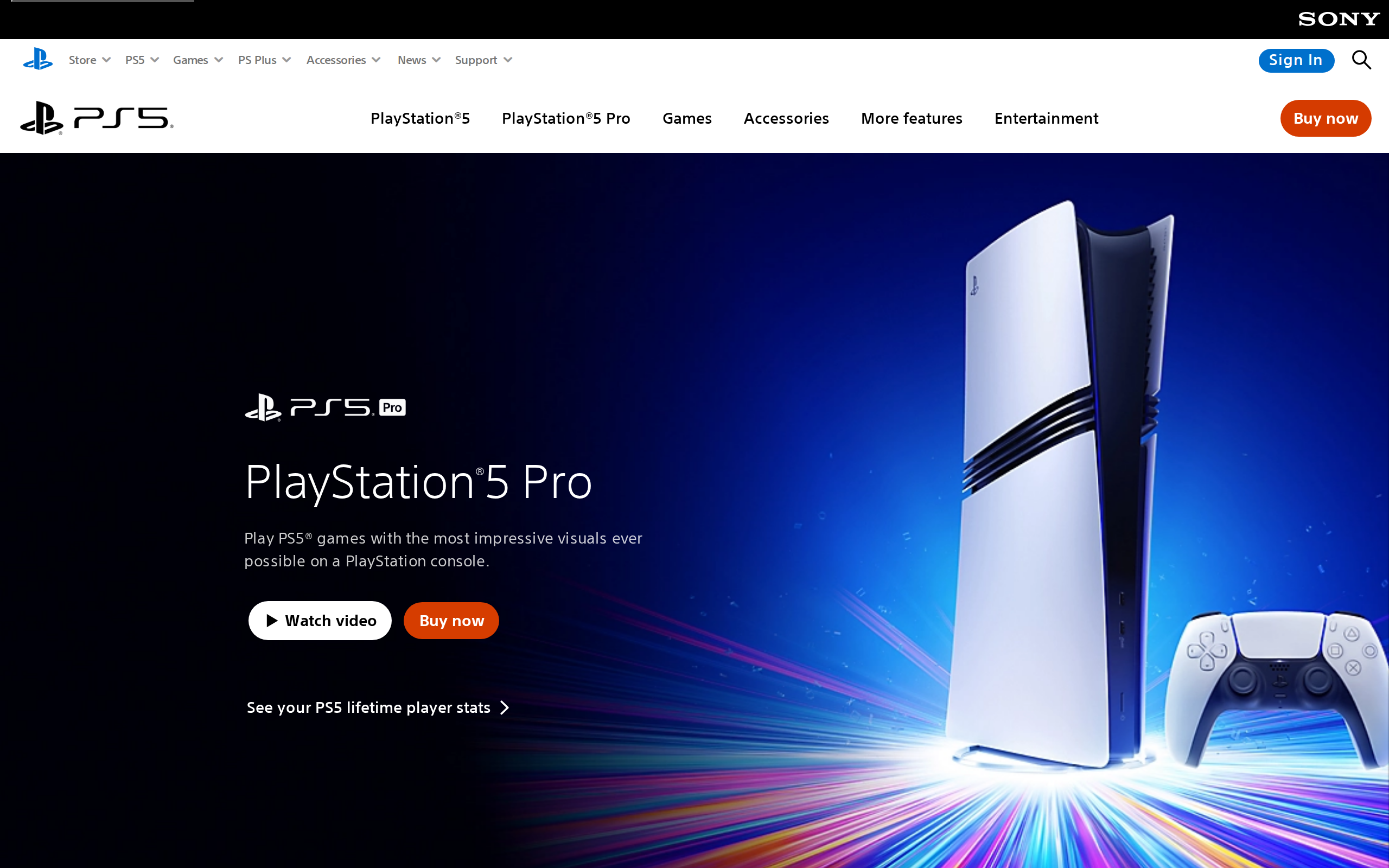
Best forPlayers who want Sony exclusives and a huge PS4 and PS5 library
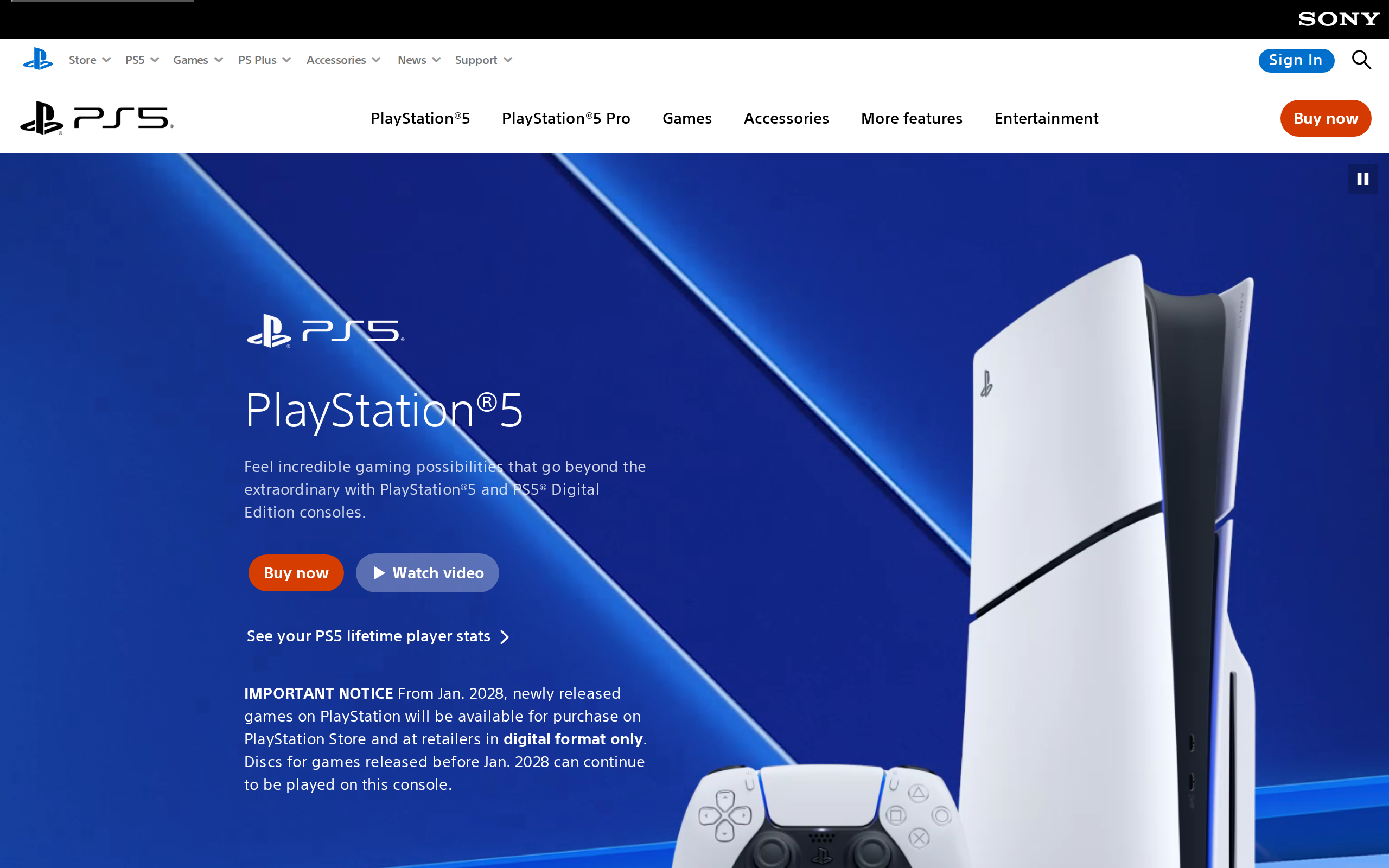
Still the console to buy if Sony's exclusives and a big back catalogue matter to you. The Digital Edition is the better value, because the drive can be added later, and Sony says newly released games will be digital-only from January 2028. The price is high, storage fills quickly and online play needs PlayStation Plus. Casual players should wait for a sale.
Best forEsports players who want 500Hz OLED with a USB hub and DP 2.1
This is a fast, colourful 1440p QD-OLED with the best burn-in housekeeping we have seen: a presence sensor, Pixel Shift and a warranty that covers burn-in. The sensor is useful but not perfect. At $799.99 it undercuts the launch price of $900, and it is a better deal than Samsung's list price, though not the cheapest 500Hz OLED.
Best forPC players on a budget who want OLED motion at 1440p
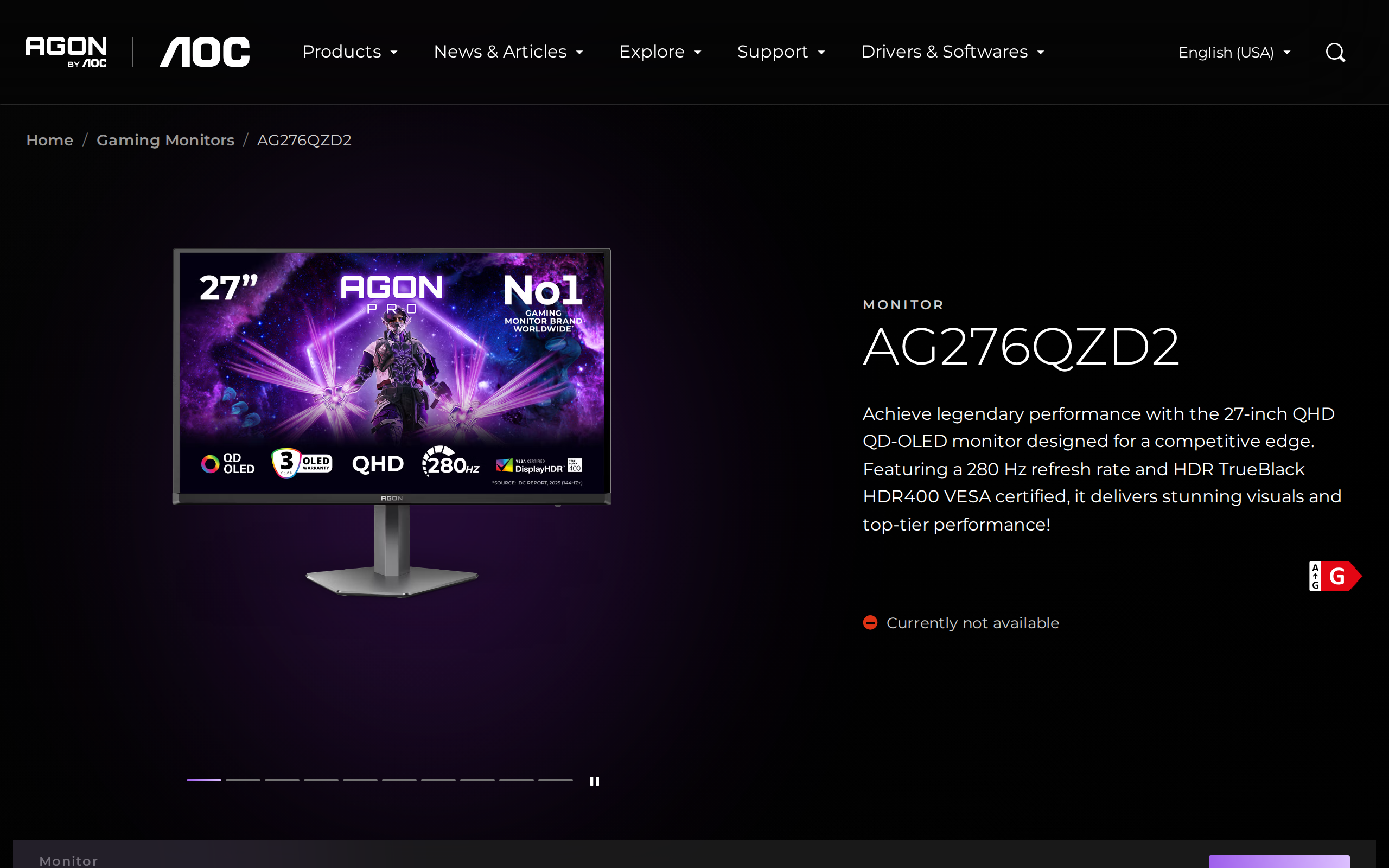
The cheapest QD-OLED gaming monitor that we would still recommend. Motion, contrast and input lag are in the same league as dearer panels, and the three-year burn-in warranty helps. The cuts are real: no HDMI 2.1, no USB-C, modest SDR brightness and a glossy coat that picks up room light.
Best forSteam library owners who want a polished, no-fuss handheld
The Steam Deck OLED is still the handheld PC with the best screen-to-software balance: the HDR OLED panel, the 50Whr battery and SteamOS that just works with Deck Verified games. At $789 it has lost its old bargain status, and its chip is the oldest in its class. Buy it if you live in your Steam library. Look elsewhere if you need Windows-only launchers or the highest frame rates.
Best forSwitch 2 owners who play docked on a TV most nights
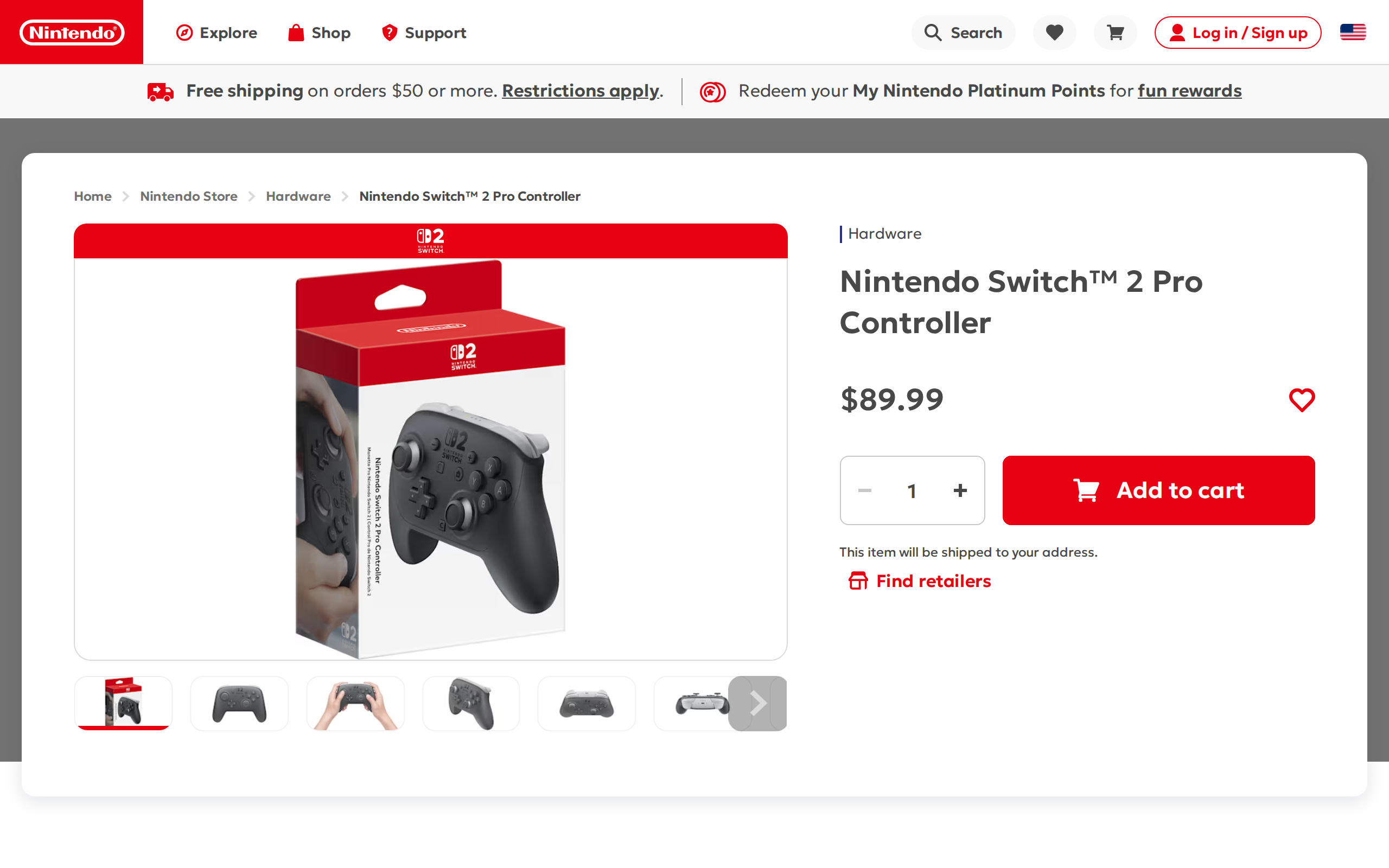
The best first-party pad on Switch 2 and the one to buy if you play docked. The shell is comfortable, the sticks feel smooth, the rear buttons are well placed and a rated 40 hour battery means it almost never needs charging. At $89.99 it is not cheap, it has no Hall effect sticks and PC support was missing at launch, so handheld players and PC users should look elsewhere.
Best forMedium-handed claw and fingertip grip players in shooters
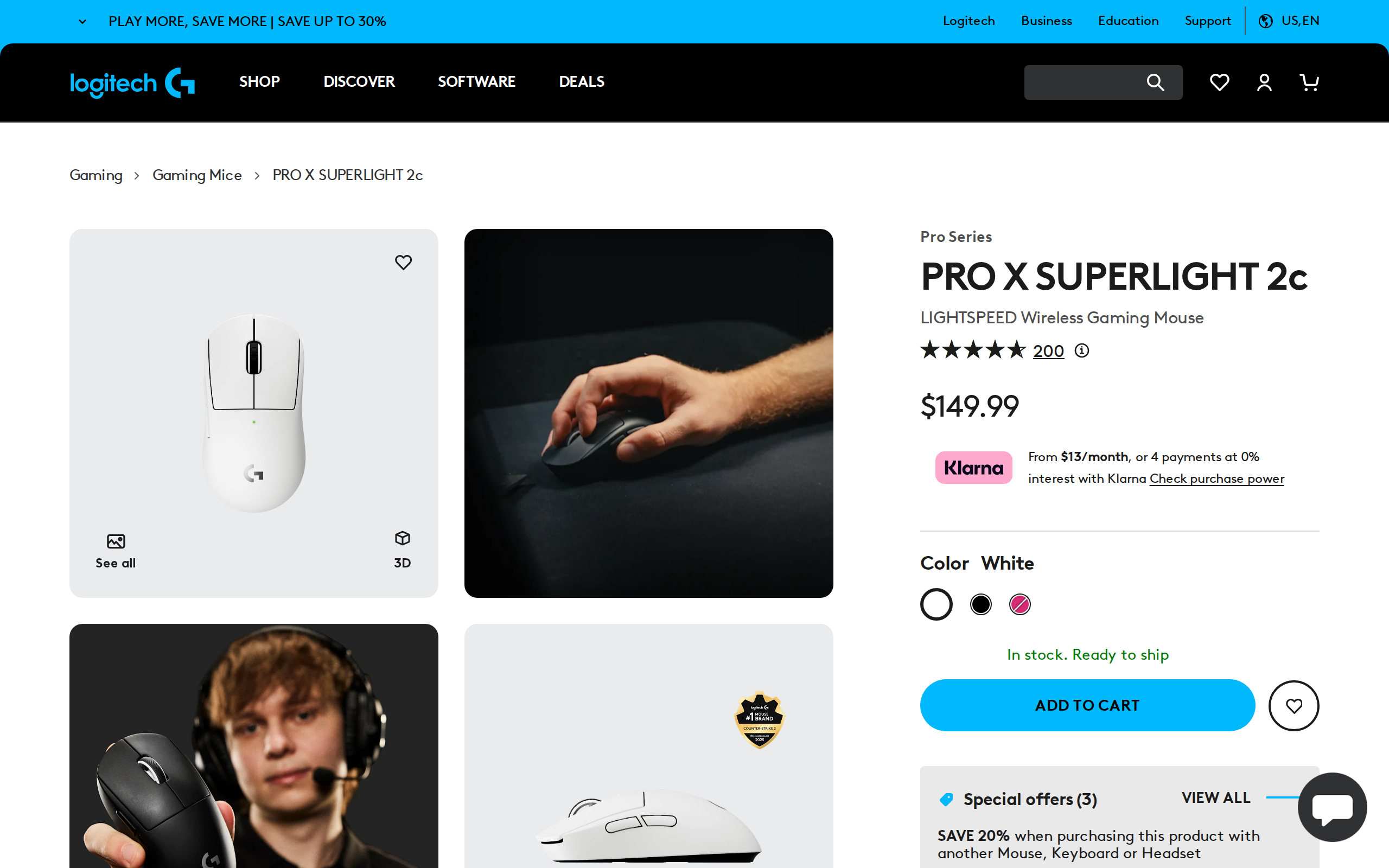
The right Superlight for medium hands and claw or fingertip grips. The shell is about 6 mm shorter than the Superlight 2, the HERO 2 sensor, 8 kHz wireless and 95 hour battery are unchanged, and the clicks and scroll wheel are excellent. It costs $149.99, has no Bluetooth, ships with a draggy rubber cable and feels short for palm grip. Pay for the fit, not for a leap in performance.
Best forPC and SteamOS players who want mouse-style control from the couch
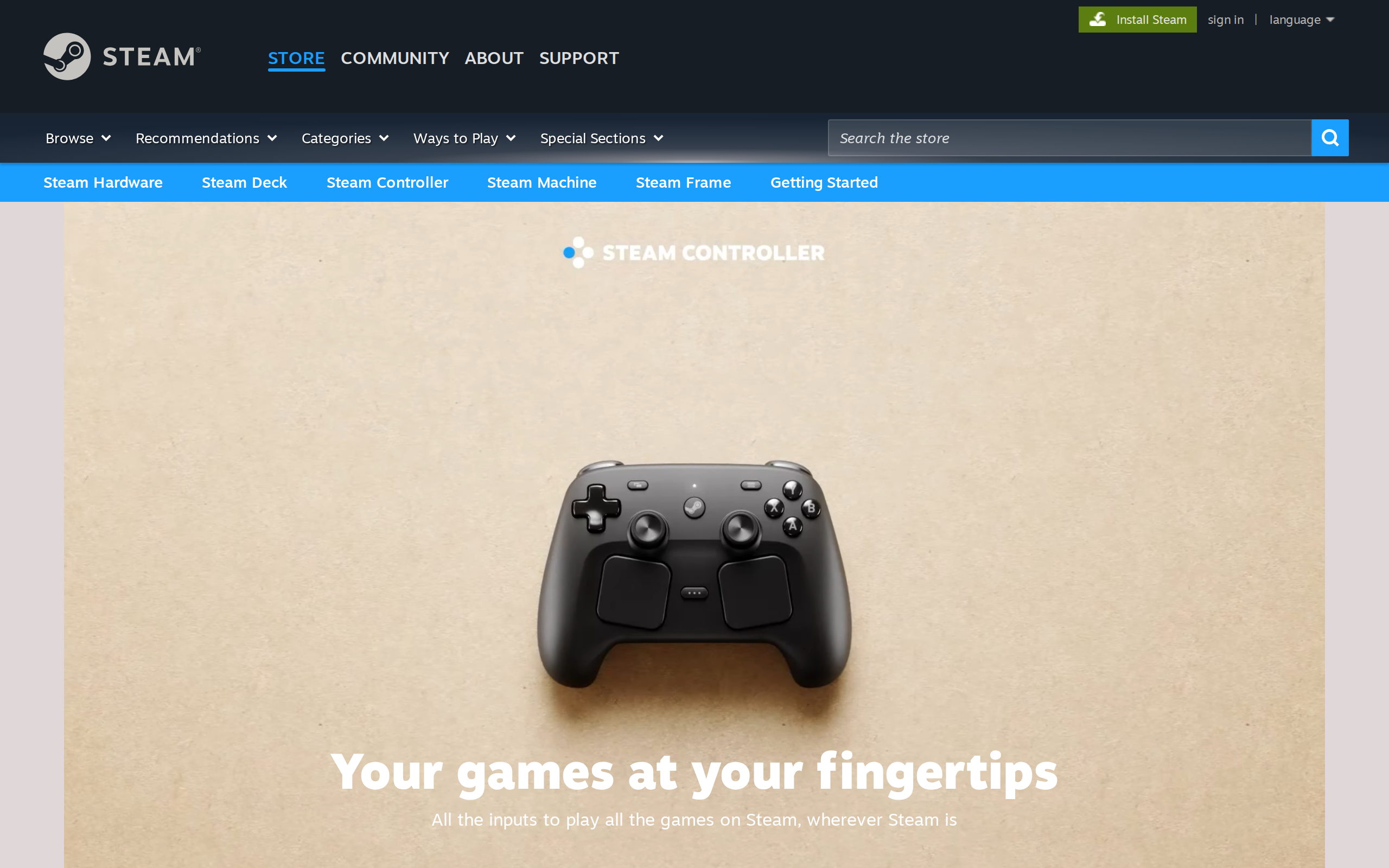
The new Steam Controller is the best gamepad we know of for mouse-heavy PC games, and its gyro plus TMR sticks make it a strong shooter pad too. It has no adaptive triggers, plain plastic, a square shape that suits large hands, and it leans on the Steam client. At $99, buy it if you play on a PC or SteamOS. Otherwise a cheaper pad does the job.
Best forFirst-time gaming laptop buyers who want RTX 5070 value
A sensible place to compromise. You get an RTX 5070 at up to 115 W, a 165 Hz screen, a 90 Wh battery, a good keyboard and user-upgradeable memory and storage. You give up 8 GB of video memory, a bright or colour-accurate display, a good webcam and a premium feel. Buy it for a first serious gaming laptop, not for creative work.
Best forFirst-time VR buyers who want the lowest sensible entry price
The Quest 3S is still the cheapest headset that does standalone VR, mixed reality and PC streaming without embarrassment. The $50 price rise hurts, and the Fresnel lenses are visibly softer than the Quest 3, but the same Snapdragon chip and huge library keep it the default first headset.
Best forPlayers who want an 8-inch 120Hz screen on SteamOS
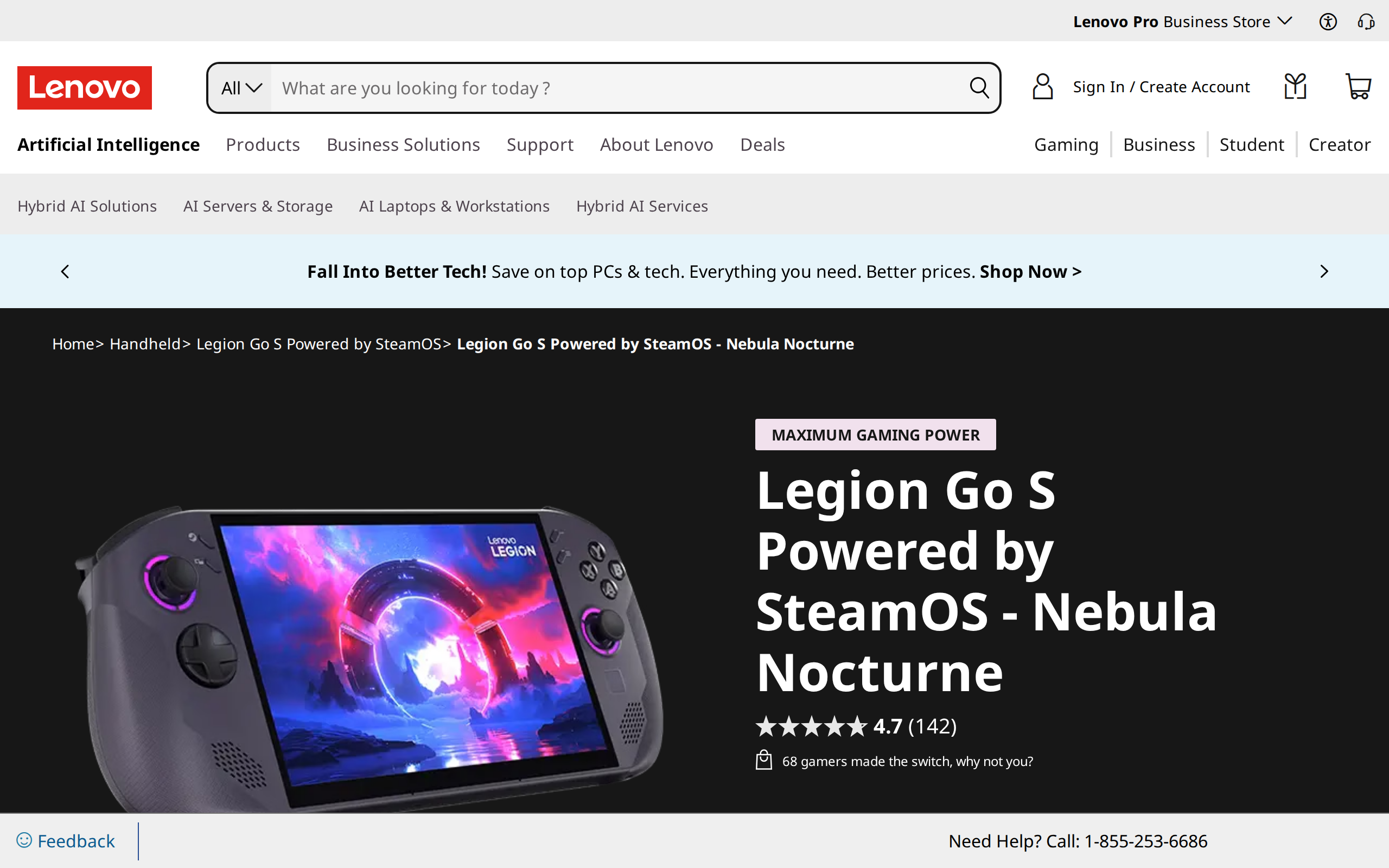
The Legion Go S with SteamOS has the bigger, sharper 120Hz screen and a larger battery, and it is a little faster. It also has a single rear paddle per side, no trackpads, a louder fan and younger Linux driver support. Priced near a Steam Deck OLED it is a fair alternative, but at $829.99 we would buy the Deck. Pick Lenovo only if you want the screen.
Best forGame Pass subscribers who want a small, quiet digital console
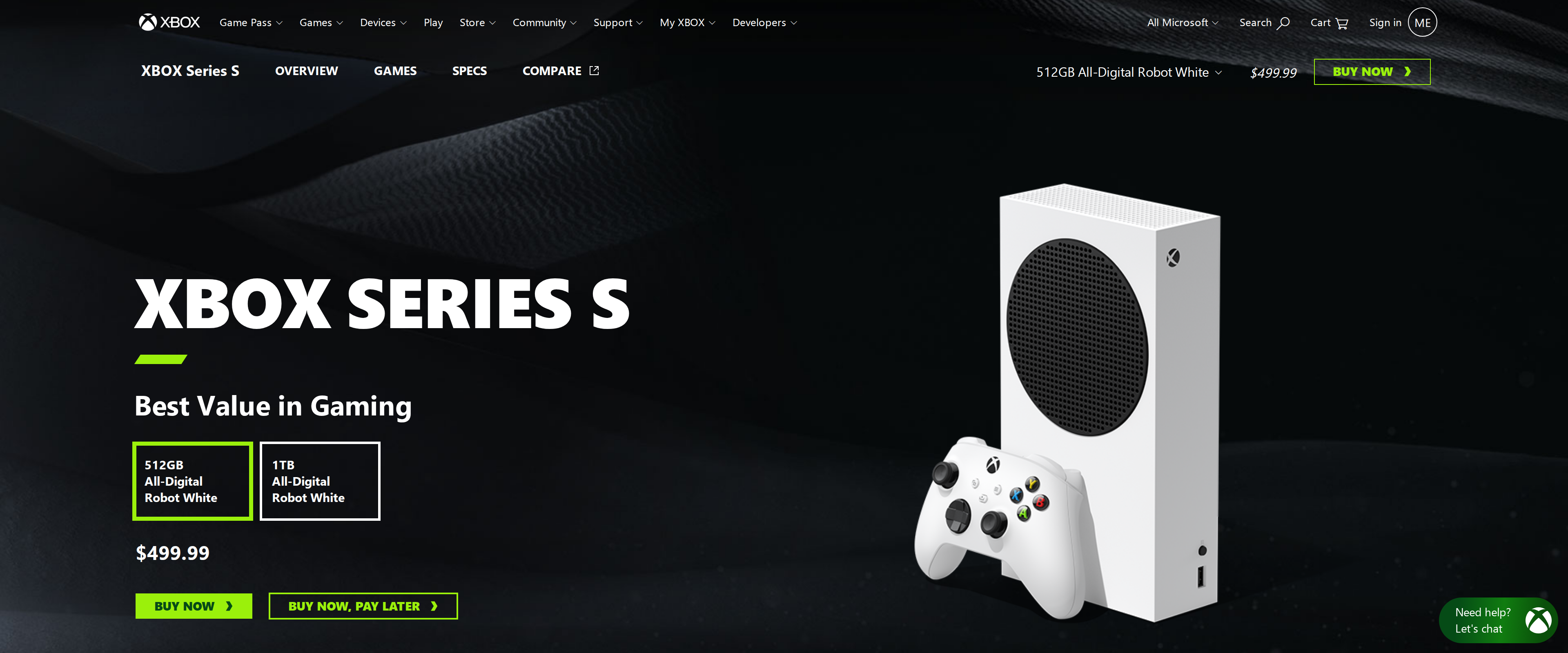
Still a small, quiet, capable console, but $499.99 for 512GB, no disc drive and a 1440p target is no longer a budget buy. It now costs the same as a Switch 2 and only a little less than a 1TB Series S plus a game. Buy it only if Game Pass and Xbox exclusives matter more than price.
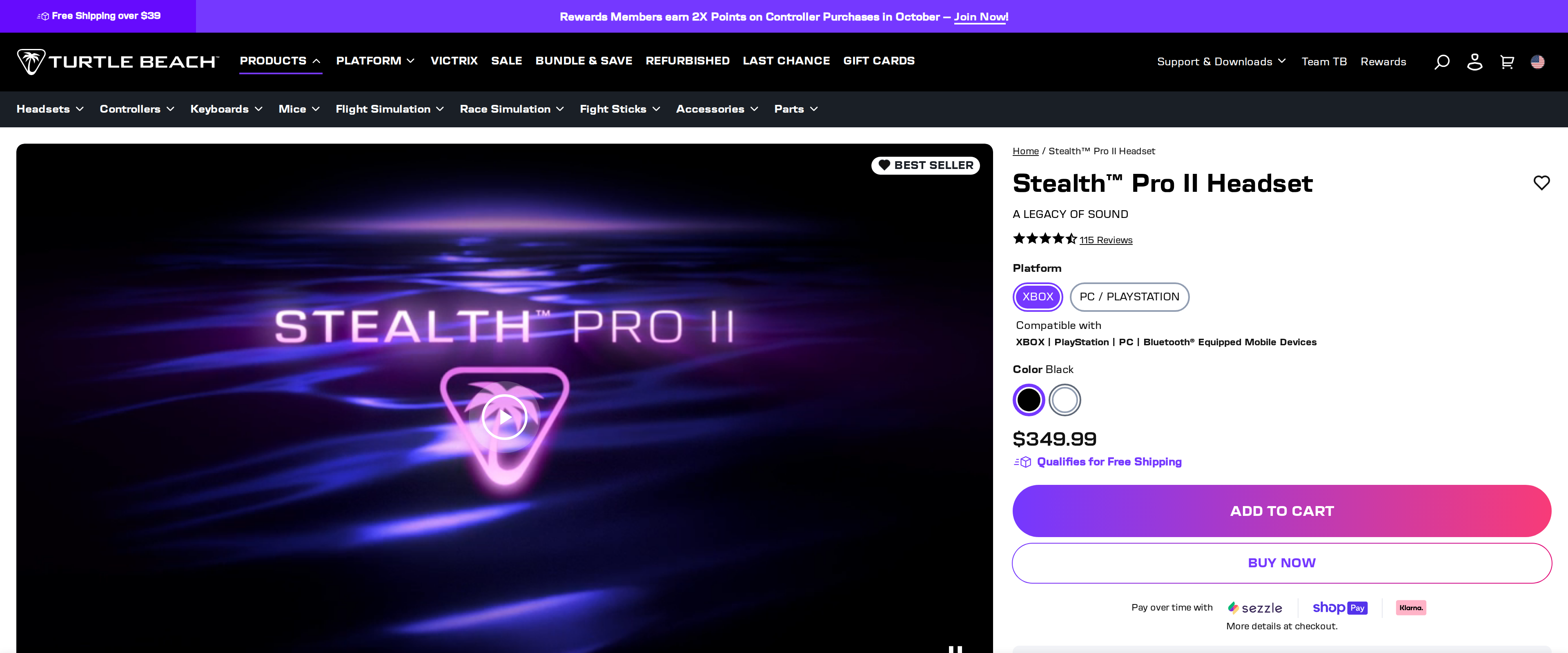
Best forHouseholds sharing one headset across a PC and several consoles
For a home with a PC, a PlayStation and an Xbox, nothing switches between them as easily as the Stealth Pro II. Two swappable 40-hour batteries, a very good detachable mic and solid ANC justify most of the $349.99. The weak points are a thin headband that tires you after about two hours and a build we do not fully trust. Great for short, serious sessions.
Best forGamers who want Rapid Trigger and still need a numpad
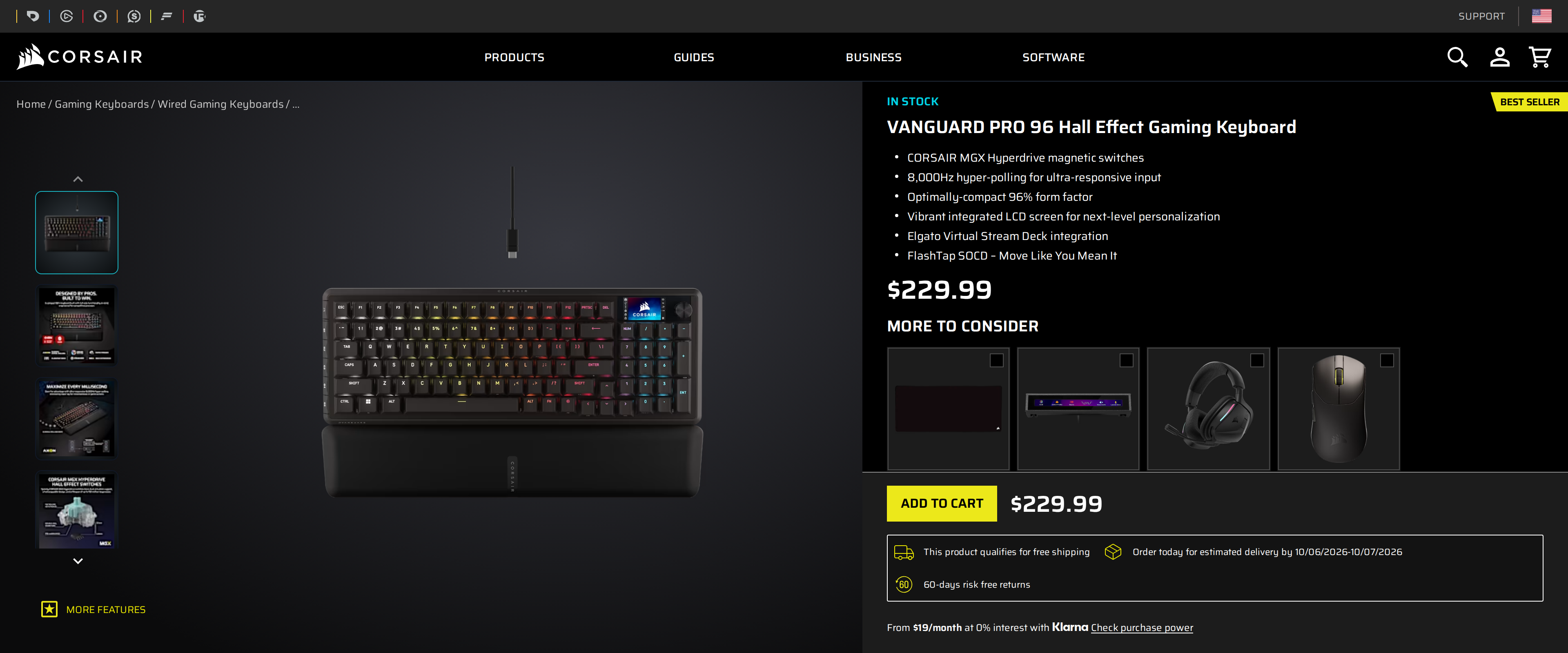
The Vanguard Pro 96 gets you a proper Hall effect board with a numpad, an aluminum frame and 8,000Hz polling at $229.99. It is not the cheapest way into magnetic switches, and the LCD is more gimmick than tool, but few boards pair this feature set with such a compact body.
Best forStudents and travellers who want one laptop for class and games
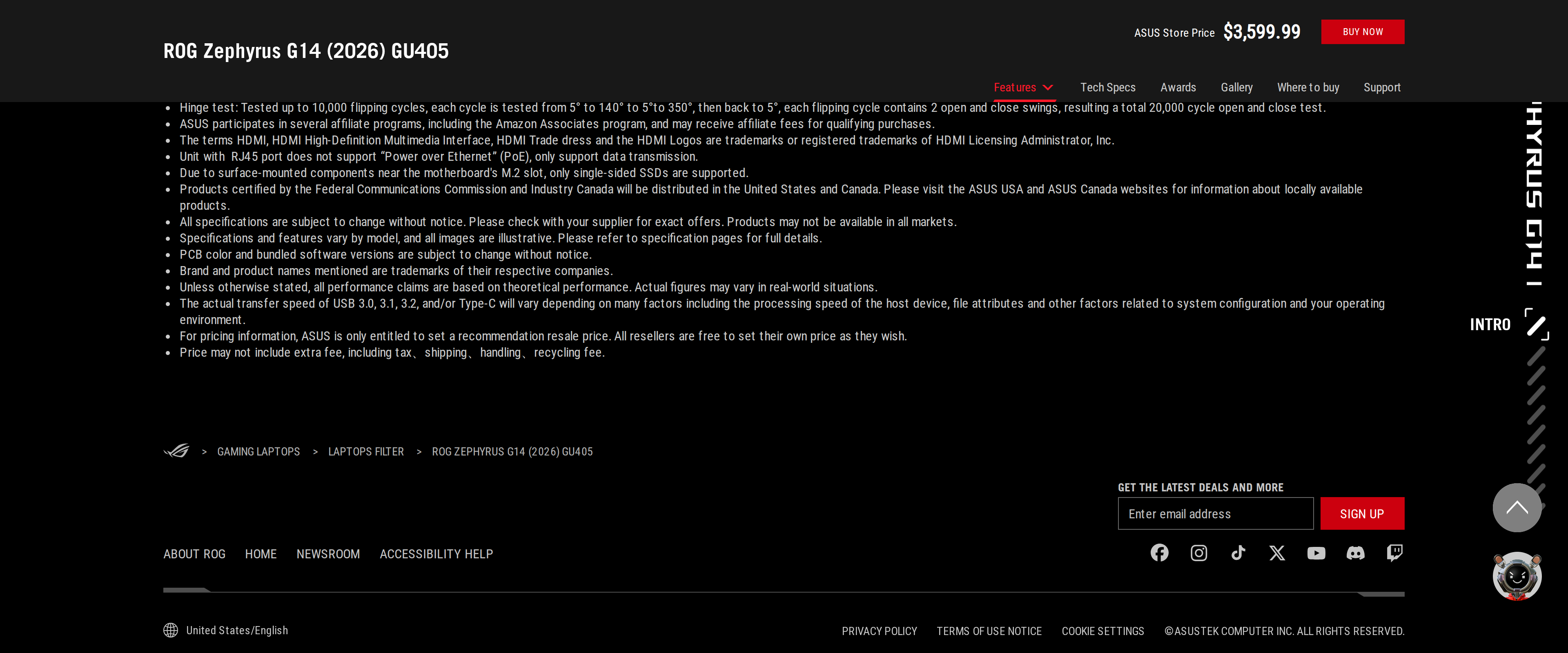
The 2026 G14 is the best gaming laptop you can carry all day: 3.48 lb, a superb 3K OLED, and a chip that runs cooler and lasts longer unplugged than the AMD model it replaces. Under load it still gets loud and hits the low 90s in degrees Celsius, and $3,599.99 is steep for 14-inch hardware. Buy it for portability, not for value.
Best forCompetitive players who talk a lot in voice chat
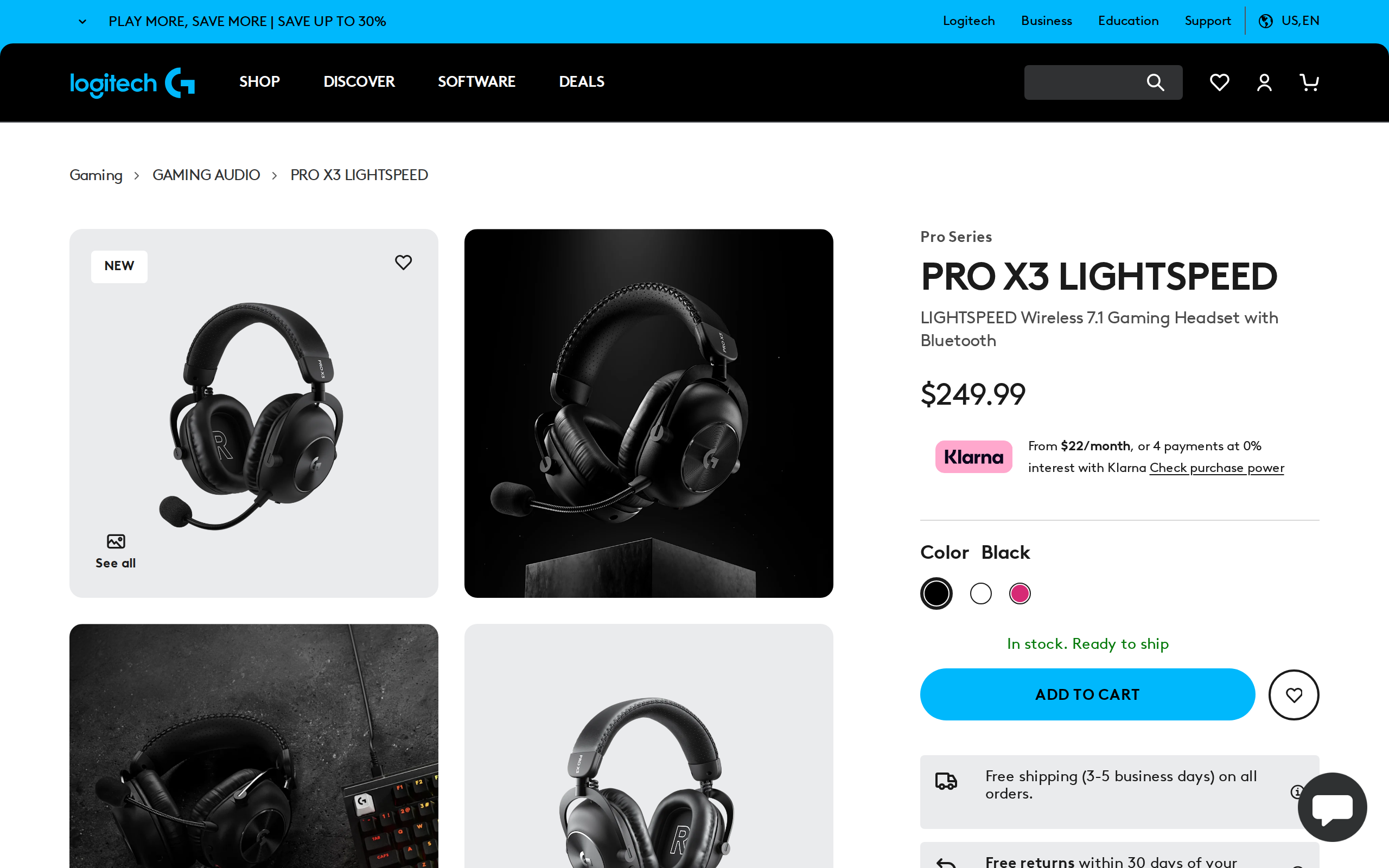
The Pro X3 Lightspeed is a comfortable headset with punchy graphene-driver sound, a clearly better detachable mic and a 70-hour battery. It is also a $249.99 headset with no noise cancelling, no simultaneous Bluetooth and no EQ switching on the cups. Buy it for competitive play and voice chat. If you want features for the money, others offer more.
Best forGamers who travel and want one slim machine for everything
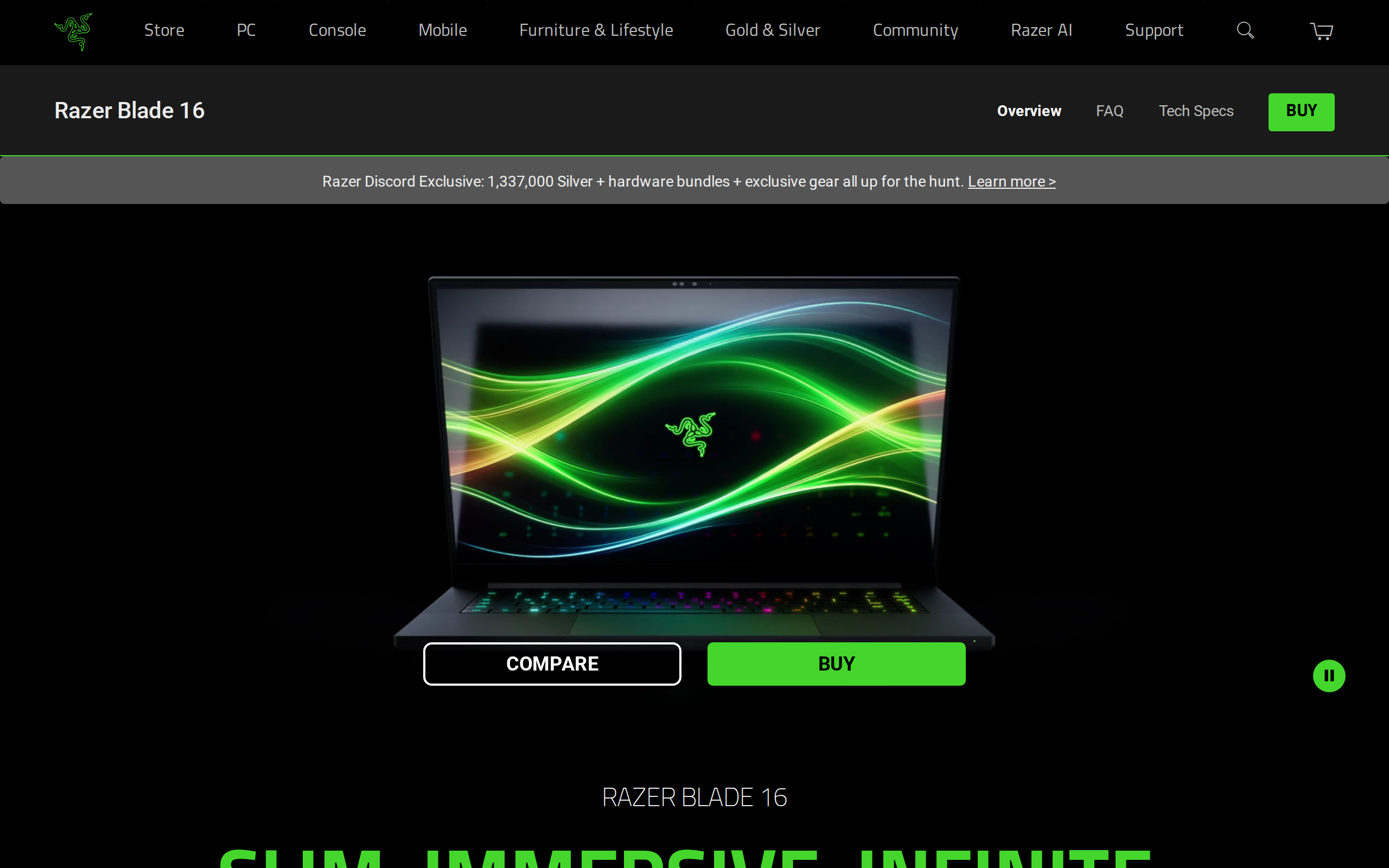
A beautiful, light 16-inch gaming laptop with a superb OLED screen and strong battery life for the class. It is hot and loud under a full GPU load, and the RTX 5090 configuration lands near $4,900. Buy it if you carry your laptop every day. If it lives on a desk, a thicker rival gives you more frames and less noise for less.
Best forCompetitive shooter players pushing several hundred fps
The best-moving OLED we know of, and a pure esports tool. A fourth-generation Tandem WOLED gives 540 Hz at 1440p, a brighter HDR peak of about 1,800 nits in TFTCentral's test and a clean glossy finish, backed by a three-year burn-in warranty. At $1,099 it asks you to have frame rates few games reach, and it lacks USB-C, KVM and a matte option.
Best forLeft-handed players and anyone sharing one mouse
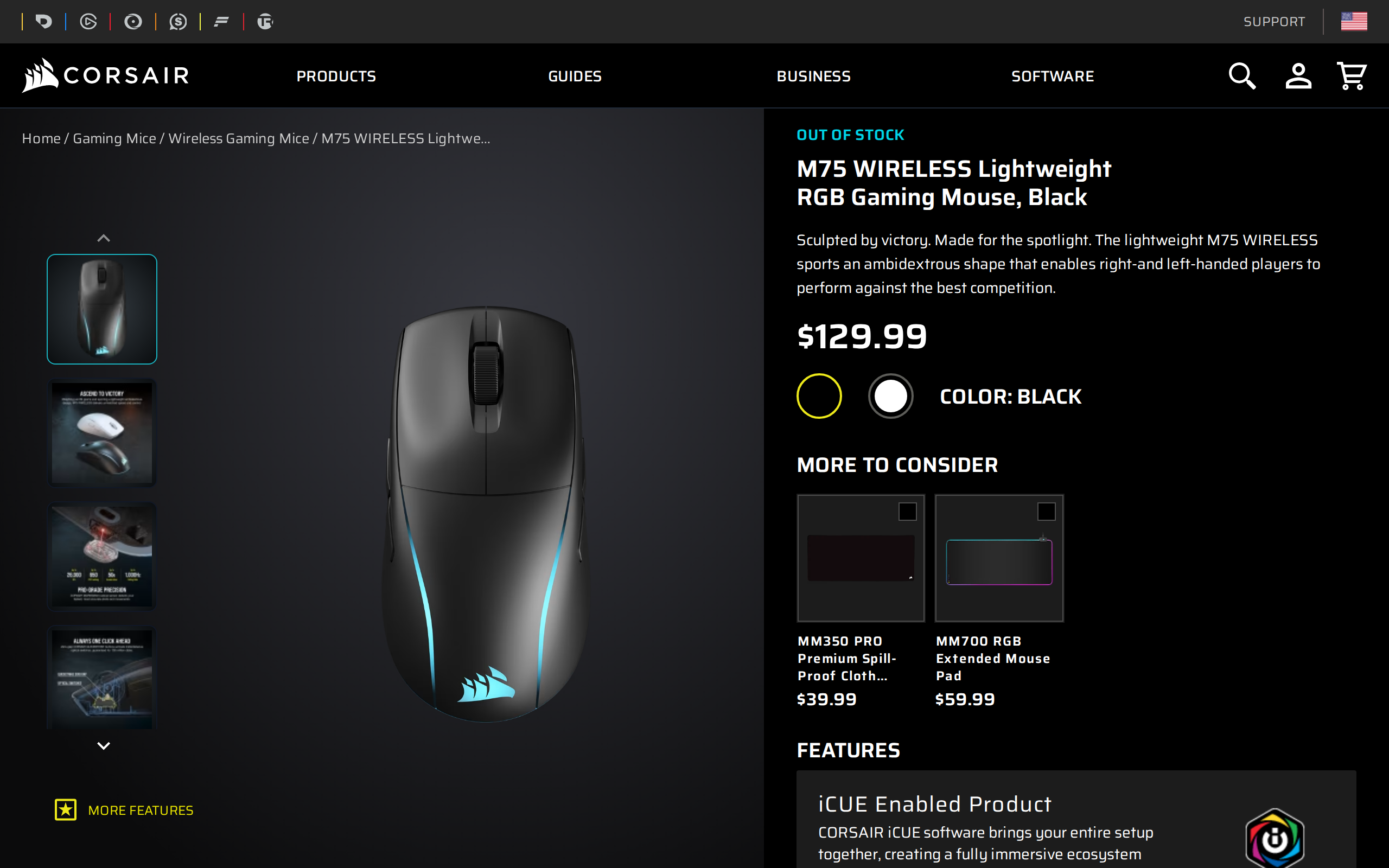
The M75 Wireless is the ambidextrous mouse to get if you are left-handed or share a desk, because the shape is symmetrical and the side buttons can be raised or flattened on either flank. It weighs 89 grams, its main clicks have a long travel, and Corsair lists it at $129.99. If you are right-handed, the cheaper M75 Air is lighter and nearly as good.
Best forCompetitive PS5 players who want back buttons and swappable sticks
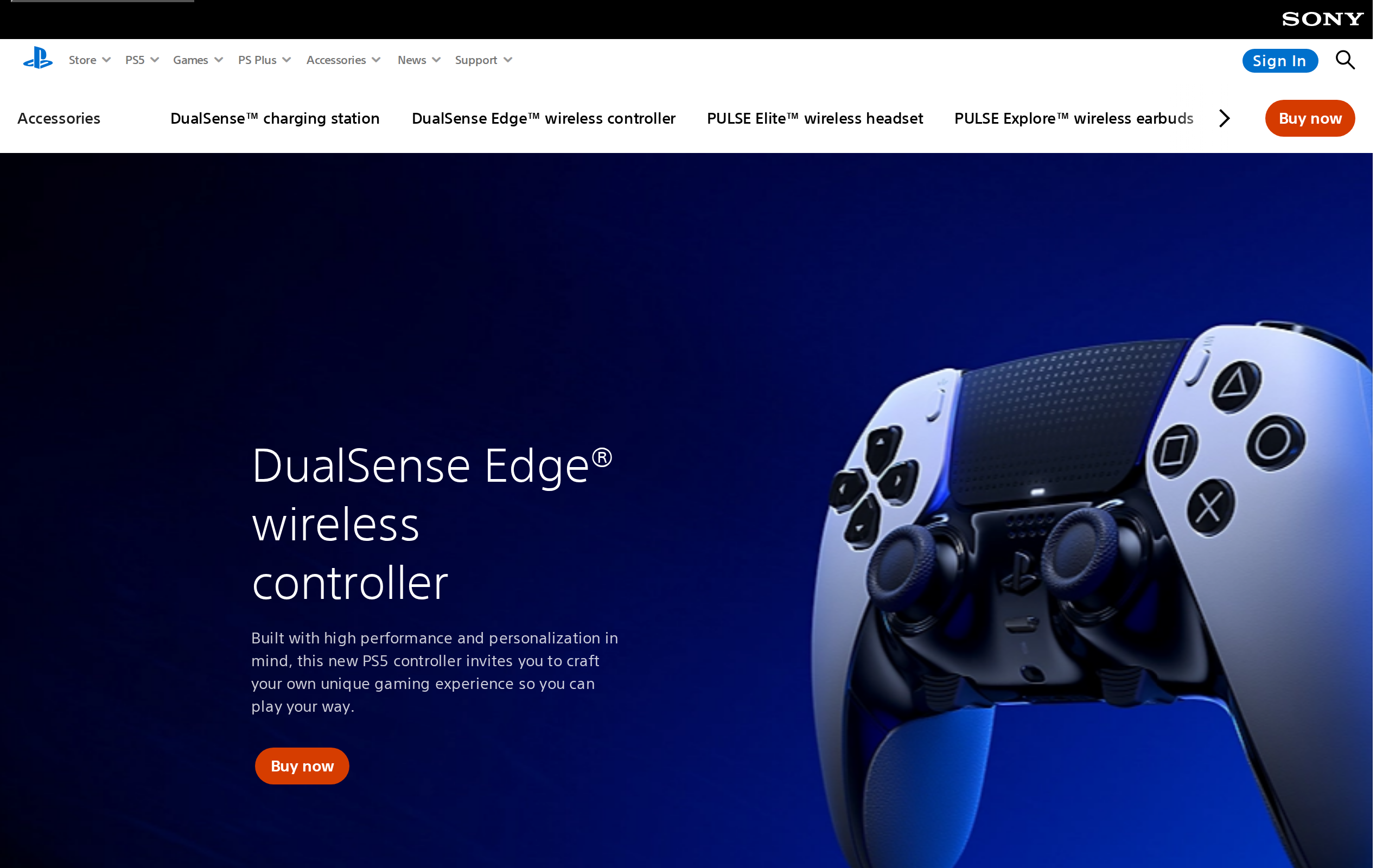
The best PS5 pad for players who use back buttons and want drift to be a $20 repair instead of a replacement. It is also expensive, heavier than the standard DualSense and good for roughly 5 to 8 hours per charge. Buy it if you play competitive shooters on PS5. Everyone else should keep the standard pad and save about $150.
Best forFirst-time rapid trigger buyers who want a solid wired TKL
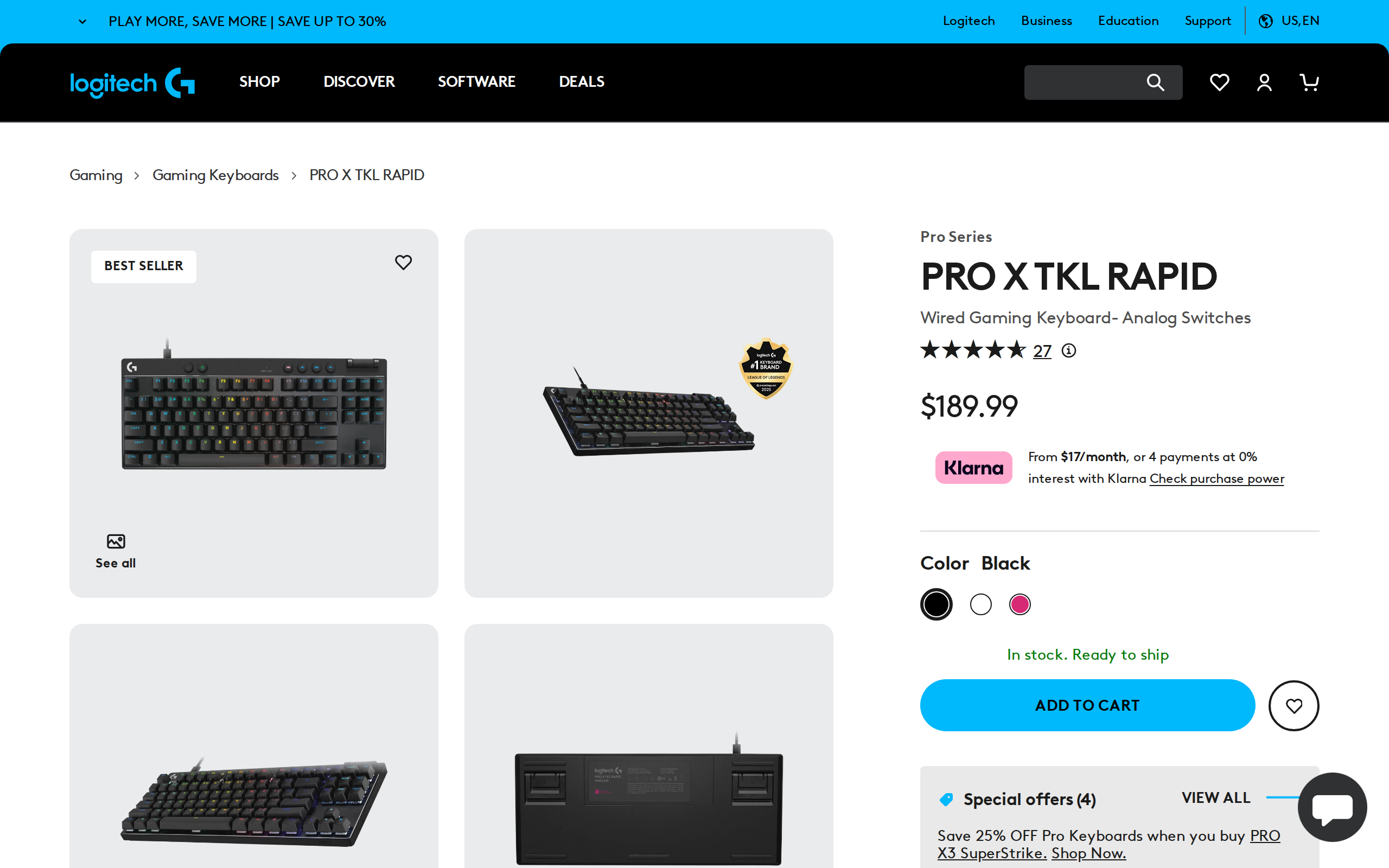
A competent first magnetic board that gets the important part right: rapid trigger and per-key actuation from 0.1 to 4.0 mm work as they should, and the metal-fronted build feels solid. It is wired only, noticeably loud, tied to G Hub and not the cheapest way into rapid trigger. Buy it if you want Logitech's ecosystem. Wooting is still the better tuning tool.
Best forPlayers who want a quiet, tweakable wired board with a wrist rest
A well-damped, hot-swappable 75% board that sounds better than its price suggests and comes with a wrist rest and a roller. It is wired only, and it has no adjustable actuation, so competitive players who want rapid trigger should look at a magnetic board instead.
Best forOwners of a 4K TV who want 60fps with better visuals
The best way to play PS5 games, and still a console for a narrow audience. If you own a good 4K TV and care about 60fps modes with ray tracing, PSSR makes a visible difference. At $899.99, with no disc drive or stand in the box, most players should buy a standard PS5 and spend the difference on games.
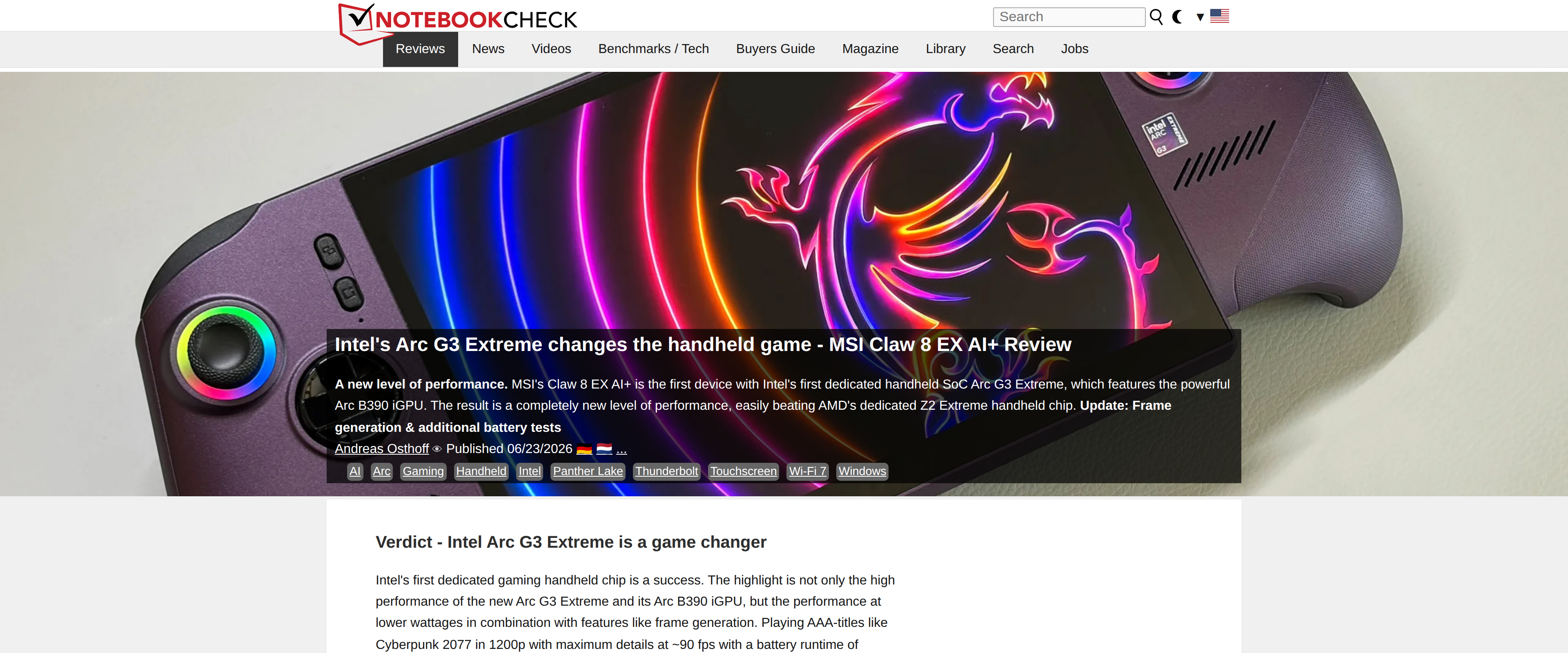
Best forEnthusiasts who want the fastest handheld and will pay for it
Yes, the Claw 8 EX AI+ is the fastest handheld PC we can point to: independent tests show it matching AMD's Z2 Extreme at 17W against 35W, and leading by 20 to 30 fps at 1200p. It is also heavy, burns through its 80Wh battery in about three hours at full power, and costs $800 more than the ROG Xbox Ally X. Buy it only if speed is the whole point.
Best forPlayers who want Game Pass and every PC launcher in one handheld
The most capable Windows handheld you can buy, and the Xbox full screen experience makes it nicer to live with than any earlier Ally. It still hits Windows rough edges, third-party launchers are fiddly, and the $999.99 price is hard to defend. Buy it if you want PC and Game Pass games in one device. Otherwise the Steam Deck OLED does more for much less.
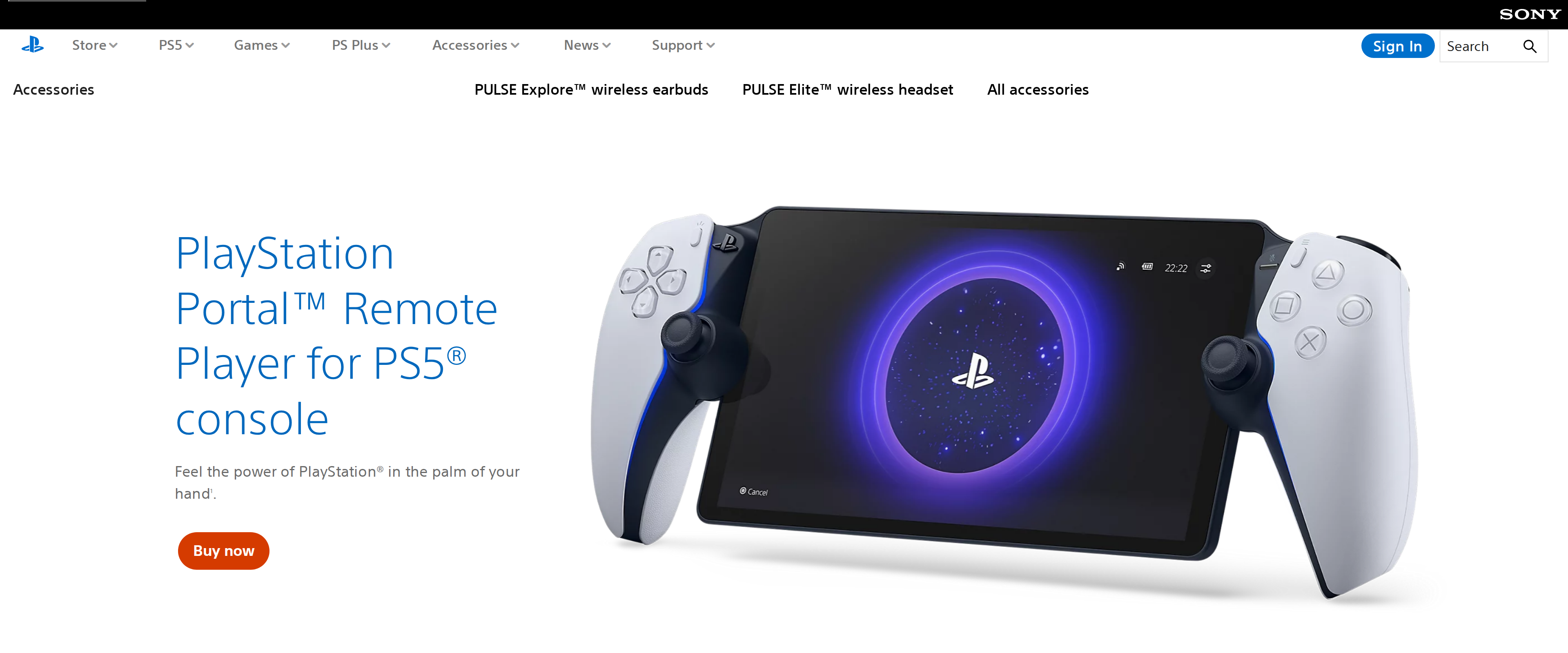
Best forPS5 owners with strong home Wi-Fi who play away from the TV
The Portal is the best way to play a PS5 from another room, and cloud streaming makes it more useful without making it a true handheld. It still has no local storage, no Bluetooth and a plain LCD. Buy it if your home Wi-Fi is strong and you already pay for the top PS Plus tier; skip it otherwise.
Best forGame Pass subscribers who want a quiet 4K console with a disc drive
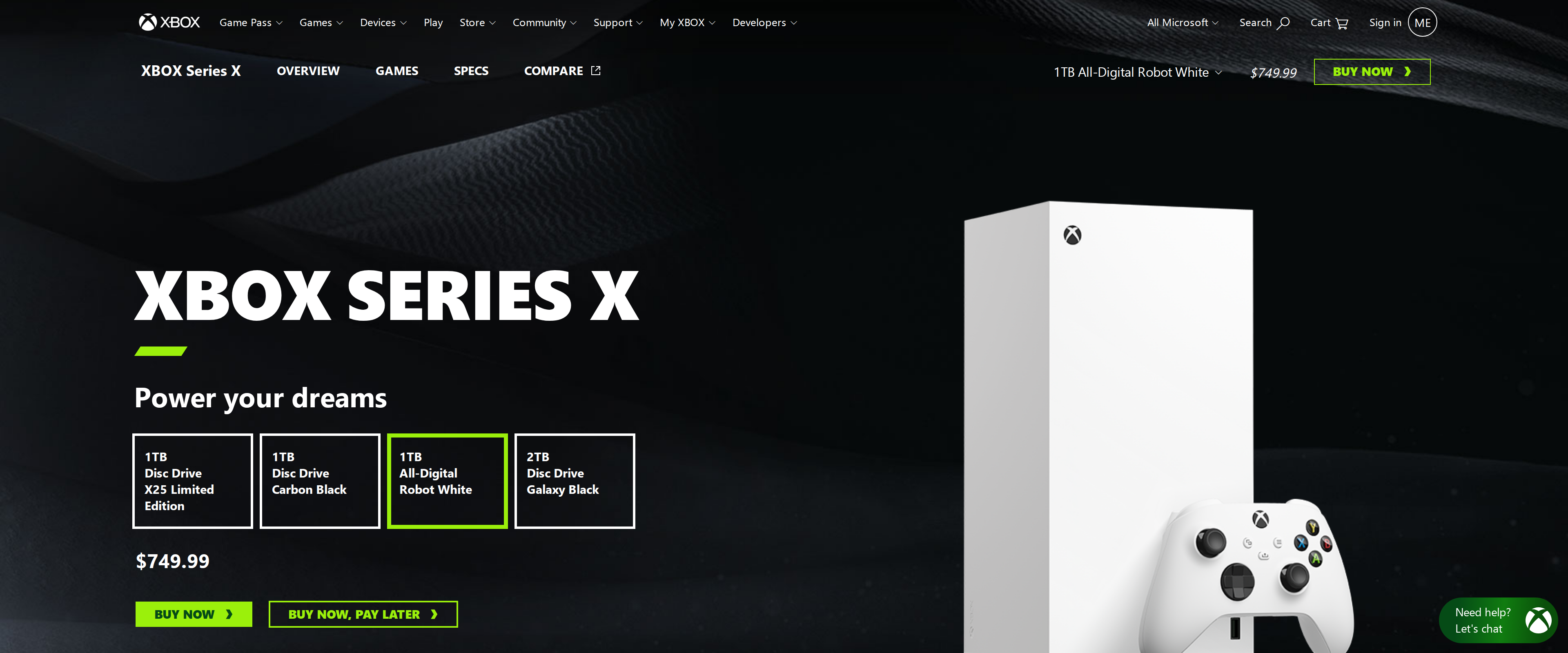
The Series X is still a fast, quiet, very polished console, and Game Pass Ultimate with day-one first-party games remains its best argument. But at $749.99 digital and $799.99 with a disc drive, it costs far more than a PS5 and can cost more than a mid-range PC that also runs Game Pass. Buy it only if you live in the Xbox library. Otherwise look elsewhere.
Best forSteam Deck owners who want the same library on the TV
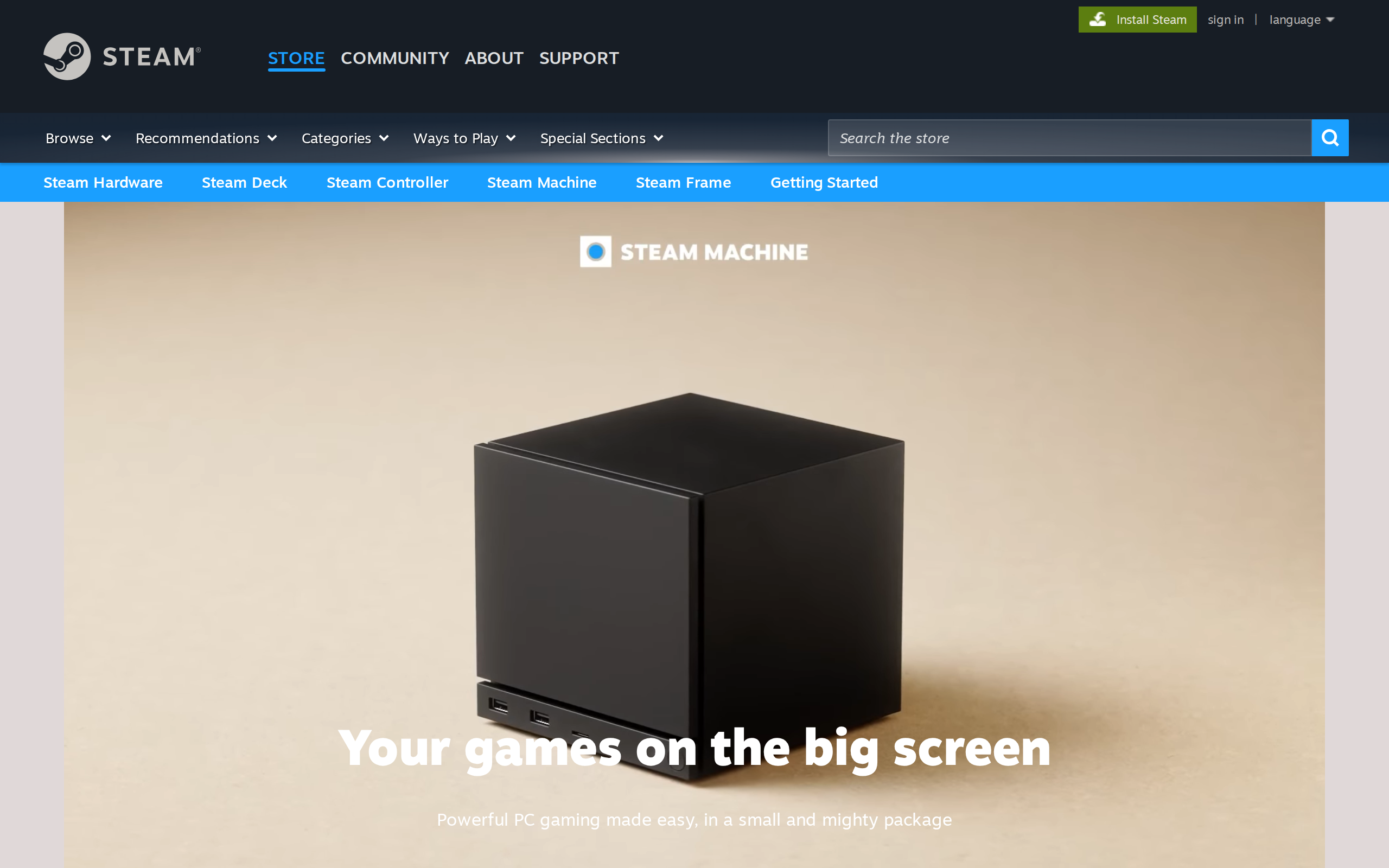
The Steam Machine is a quiet, tidy, living-room PC that boots into a controller-first Steam interface, and that convenience is what you pay for. At $1,049 it is not a bargain: a DIY build matches or beats it for less, and SteamOS still has rough edges away from the Steam Deck. Buy it if you want zero Windows and a console feel. Otherwise build or buy a PS5.
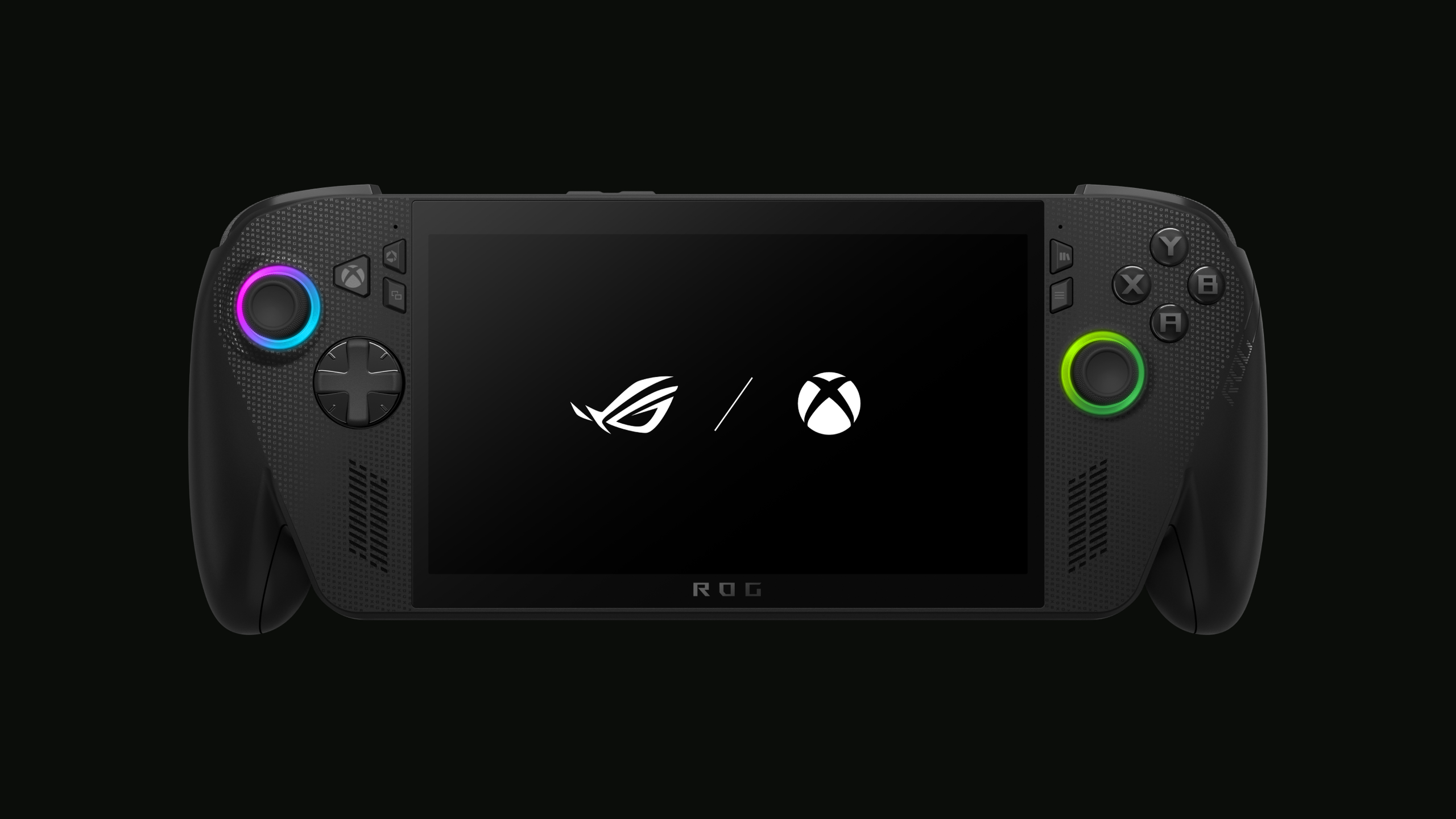
Best forGame Pass and indie players who want Windows on the couch
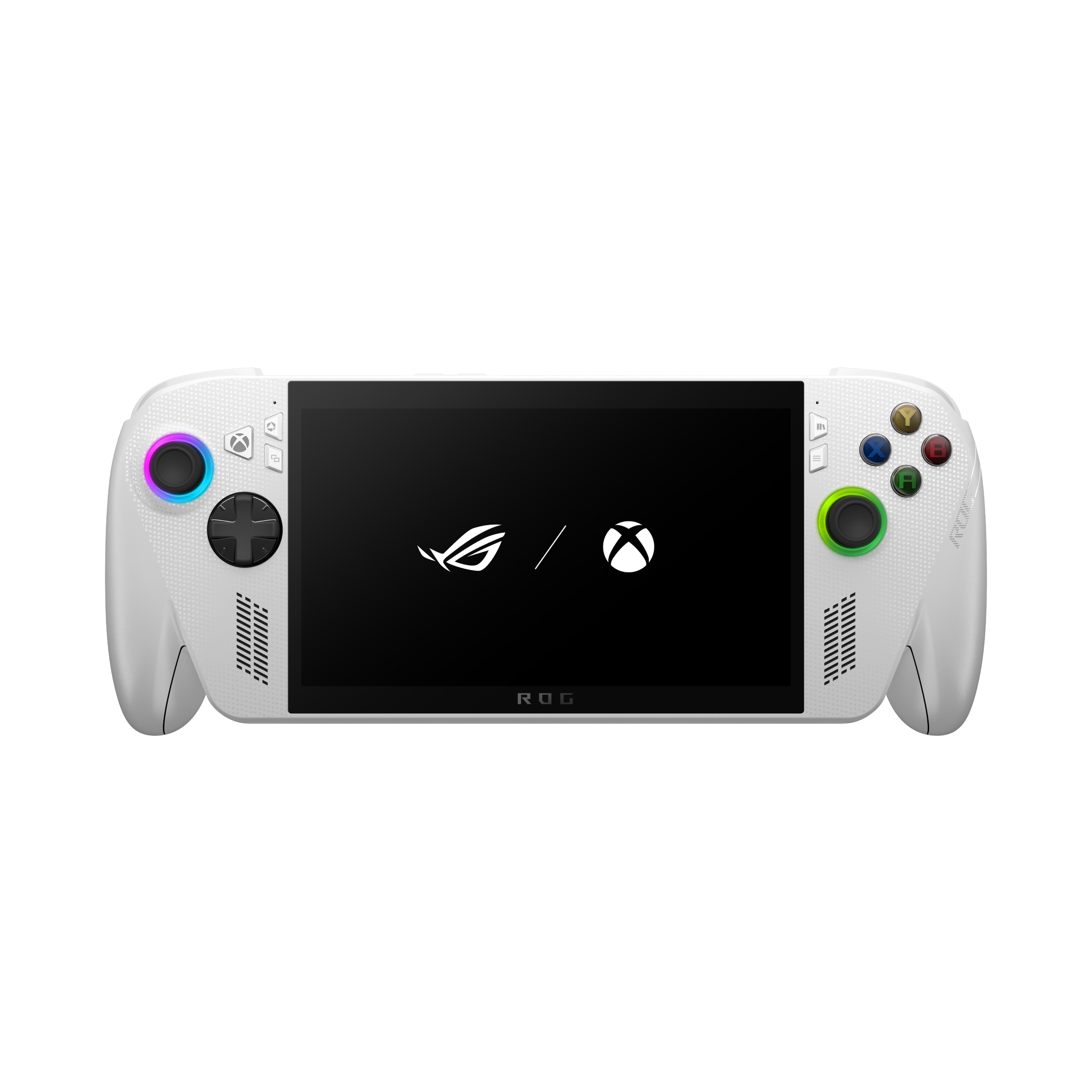
The ROG Xbox Ally has a lovely 120Hz screen, a big 60Wh battery and a comfortable shell, but its Ryzen Z2 A chip performs like a Steam Deck, not like a modern handheld. At $599.99 it suits Game Pass, indie and older games. For demanding new releases, save for the Ally X or buy a Steam Deck.
Best forDesk-bound players who want a bright OLED and an RTX 5080
A good value desk laptop in its RTX 5080 versions and a poor flagship in the $4,699.99 RTX 5090 build. The OLED screen is excellent, with 464.6 nits measured by Tom's Hardware, and cooling holds up. But the 5090 model finished last in most gaming tests, lasted 5 hours 7 minutes on battery and cuts corners on trackpad, speakers and webcam. Buy the 5080 on sale, and skip the top model.