Logitech G Pro X TKL Rapid Review: A Late but Solid Magnetic Debut
Logitech's first wired magnetic tenkeyless has rapid trigger, per-key actuation and an aluminium front plate for $189.99. We compare it with Wooting and explain the thump, the G Hub quirks and the banned SOCD feature.
The verdict
A competent first magnetic board that gets the important part right: rapid trigger and per-key actuation from 0.1 to 4.0 mm work as they should, and the metal-fronted build feels solid. It is wired only, noticeably loud, tied to G Hub and not the cheapest way into rapid trigger. Buy it if you want Logitech's ecosystem. Wooting is still the better tuning tool.
Best forFirst-time rapid trigger buyers who want a solid wired TKL
What we liked
- Rapid trigger and 0.1 to 4.0 mm per-key actuation work well in shooters
- Aluminium front plate with a plastic back stays rigid without being heavy
- Dual-stage actuation lets one key walk and run
- Dual-shot PBT keycaps, per-key RGB and a handy volume bar
- Game mode can lock the keys next to your movement keys
What we did not
- Loud, with a thump on each press and a rattly space bar in some reviews
- Wired only and not hot-swappable
- Rapid trigger, multi-actuation and SOCD cannot run together
- G Hub is the only configuration route and has a patchy reputation
- No wrist rest and a 1000 Hz polling rate that trails 8000 Hz rivals
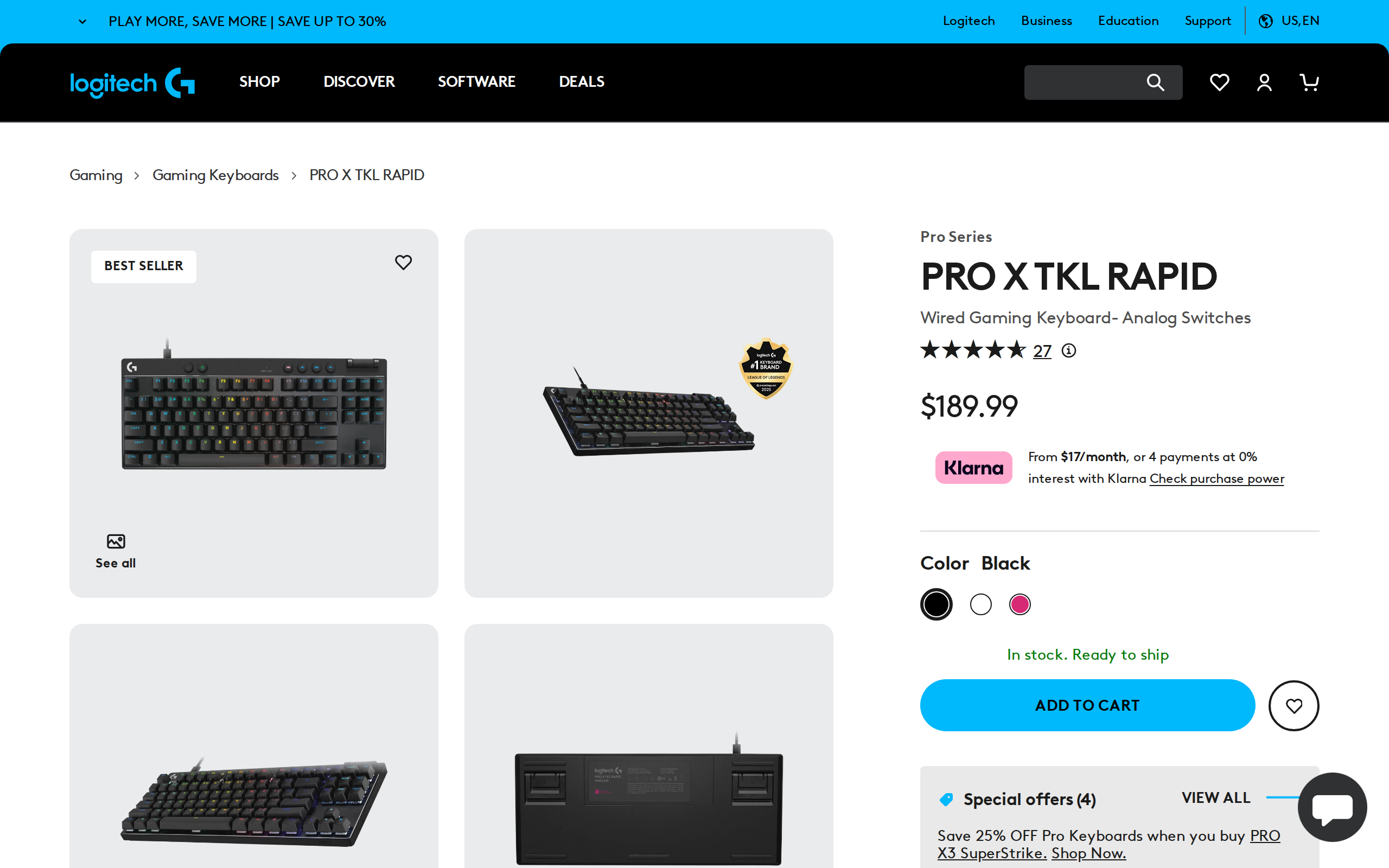
Logitech makes some of the best mice in the world and some of the best-selling keyboards, yet for years it sat out the one keyboard trend that esports players actually cared about. The G Pro X TKL Rapid is the end of that. It is a wired tenkeyless board with magnetic switches, adjustable actuation and rapid trigger, priced at $189.99 on Logitech's page. The question is whether a company arriving this late has done enough to beat the specialists.
What rapid trigger does, and what Logitech's version offers
A normal switch resets at a fixed point after you let go. A magnetic switch knows exactly how far the key sits, so rapid trigger can reset the moment you start to rise, however deep you were. In practice it makes counter-strafing in Counter-Strike or stopping mid-peek in Valorant feel immediate.
Logitech lets you set actuation per key from 0.1 mm to 4.0 mm, according to PC Gamer's testing, and its page quotes 35 g of force. You can also set two stages on one key, so a light press walks and a deep press runs.
PC Gamer's tester found the extra-quick stop in Counter-Strike 2 genuinely great, and Pretentious Reviews said stopping there is instant. The catch is a rule inside G Hub: rapid trigger, multi-actuation and the SOCD feature cannot run at the same time, you choose one.
The SOCD feature you should leave off
Logitech calls its version of SOCD "Key Priority". If you press A and D together, it can favour the last key, the first key or a fixed one. PC Gamer reports that it was banned in Counter-Strike 2, and its tester switched it off before playing for exactly that reason. Do the same if you play ranked.
That also explains why the marketing barely mentions it. Rapid trigger is the useful half of the pitch.
Build, noise and the thump
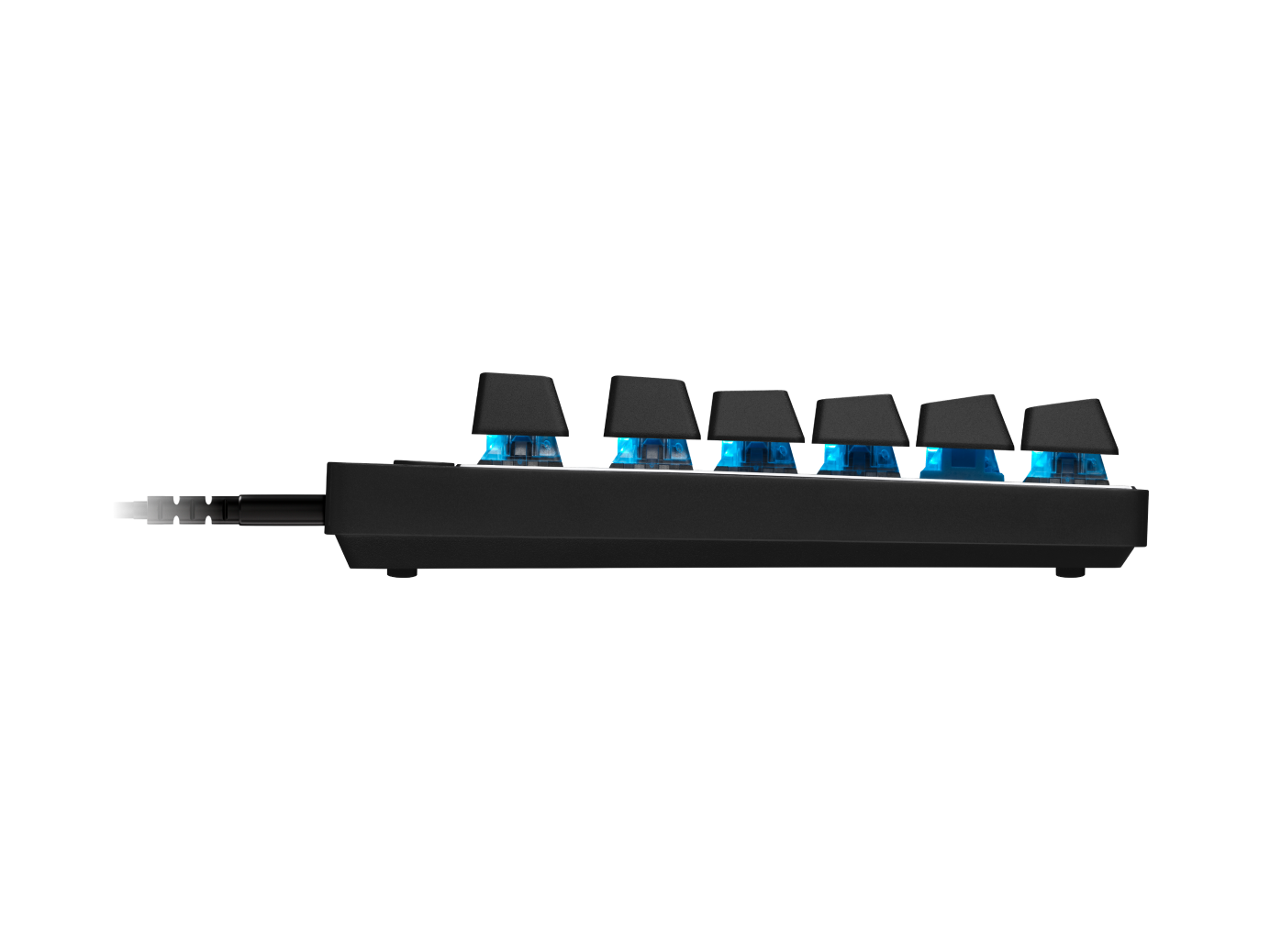
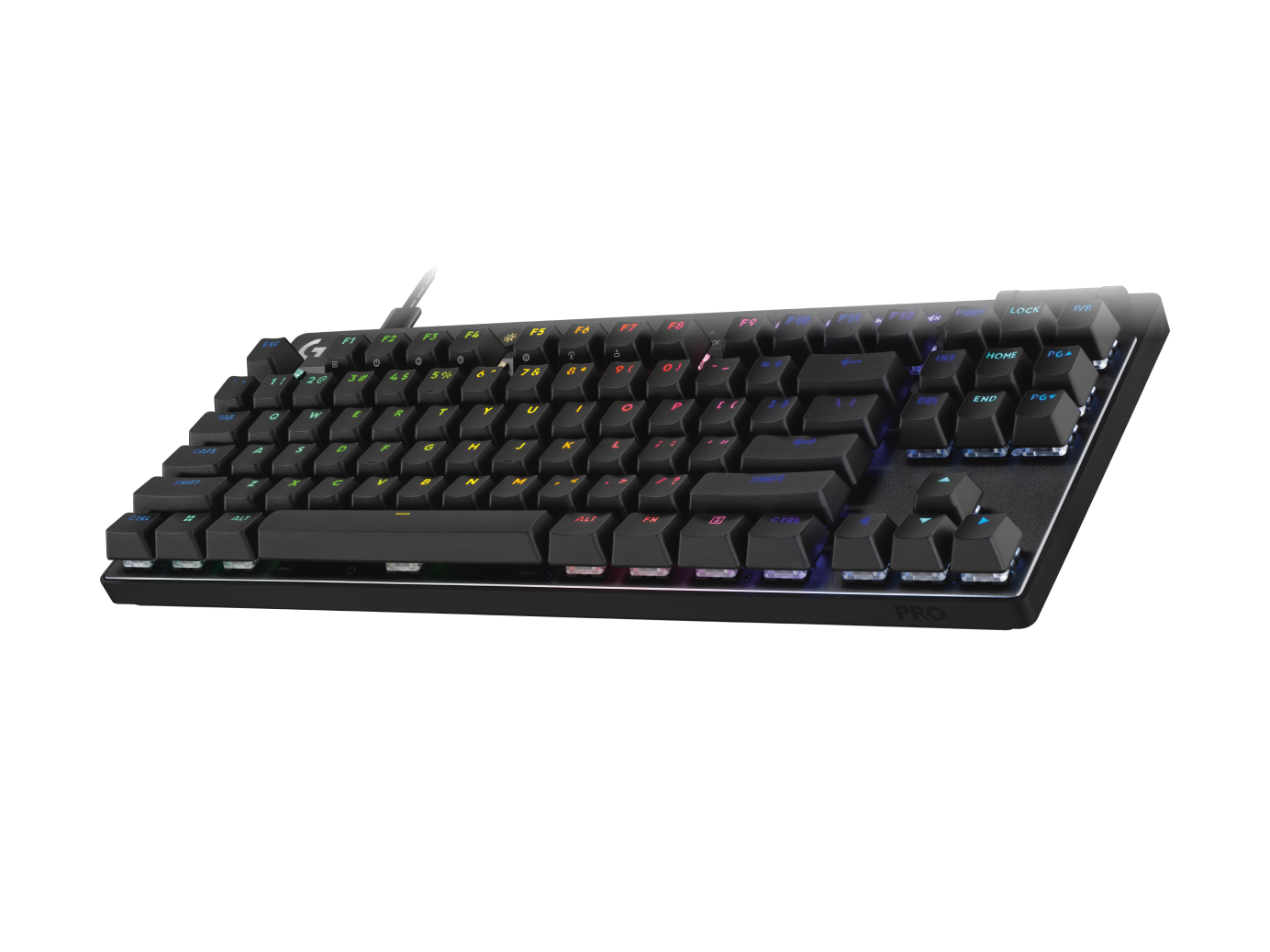
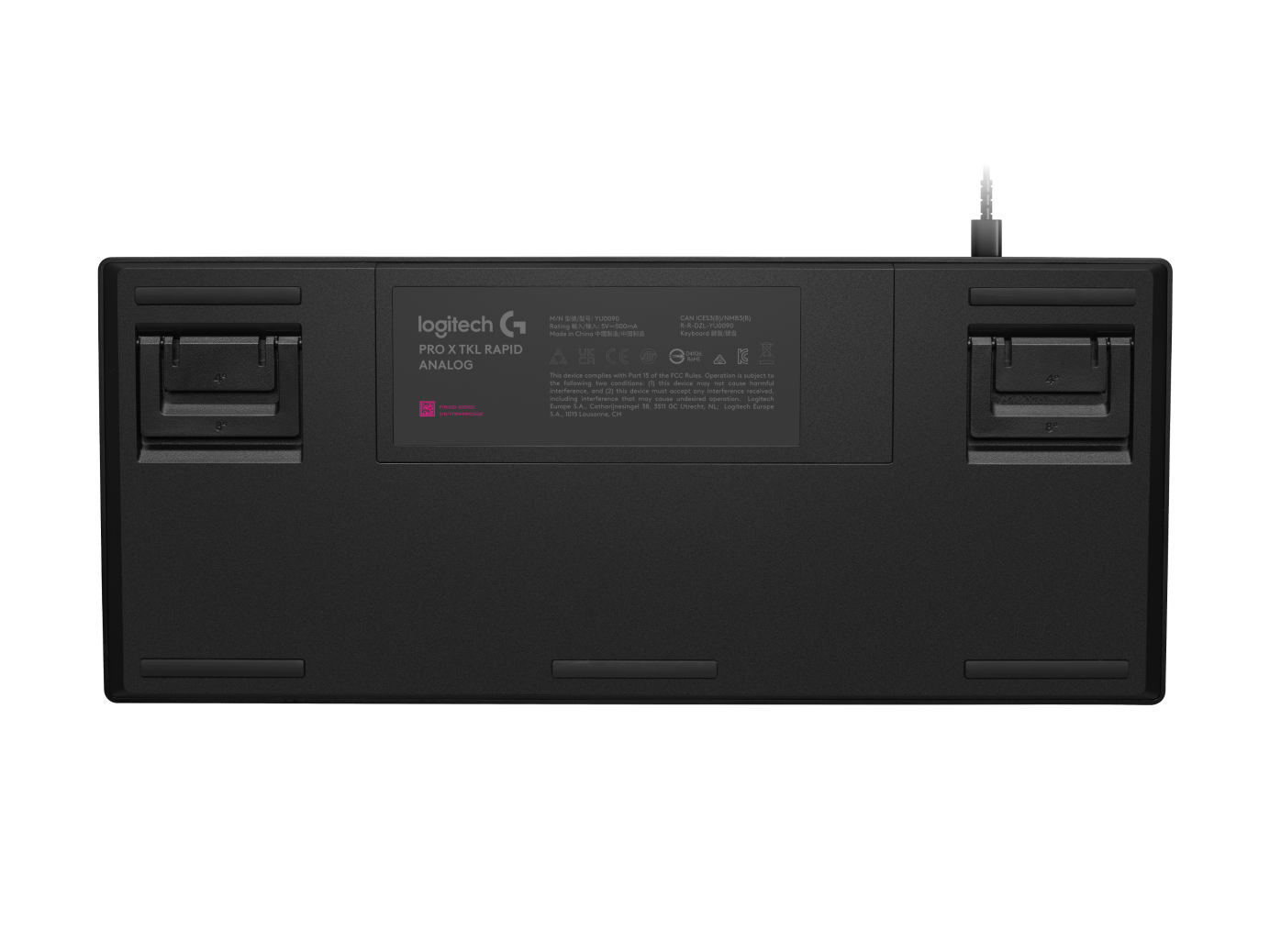
The front plate is aluminium and the back is plastic. PC Gamer found almost no flex when pressing on it, and the plastic back keeps the weight from getting silly. The keycaps are dual-shot PBT, and the board is not hot-swappable, so you are stuck with Logitech's switches.
Specs
- Layout
- Tenkeyless (TKL), wired only
- Switches
- Magnetic analog, 35 g actuation force (Logitech)
- Actuation range
- 0.1 mm to 4.0 mm, adjustable per key
- Rapid trigger
- Yes, plus dual-stage multi-actuation
- SOCD
- "Key Priority" in G Hub, banned in Counter-Strike 2
- Keycaps
- Dual-shot PBT
- Build
- Aluminium front plate, plastic back, not hot-swappable
- Polling rate
- 1000 Hz (Pretentious Reviews)
- Weight
- About 910 g (Versus database)
- Controls
- 4 media buttons, volume bar, game mode and lighting buttons
- Software
- Logitech G Hub
- Price
- $189.99 on Logitech's page, about $170 at launch (PC Gamer)