Nintendo Switch 2 Pro Controller Review: Are GL/GR Buttons Worth $89.99?
Two remappable rear buttons, a headphone jack and a GameChat button, on top of the best battery life of any pad we use. We weigh them against the $89.99 price, the potentiometer sticks and the Joy-Con 2 in the box.
The verdict
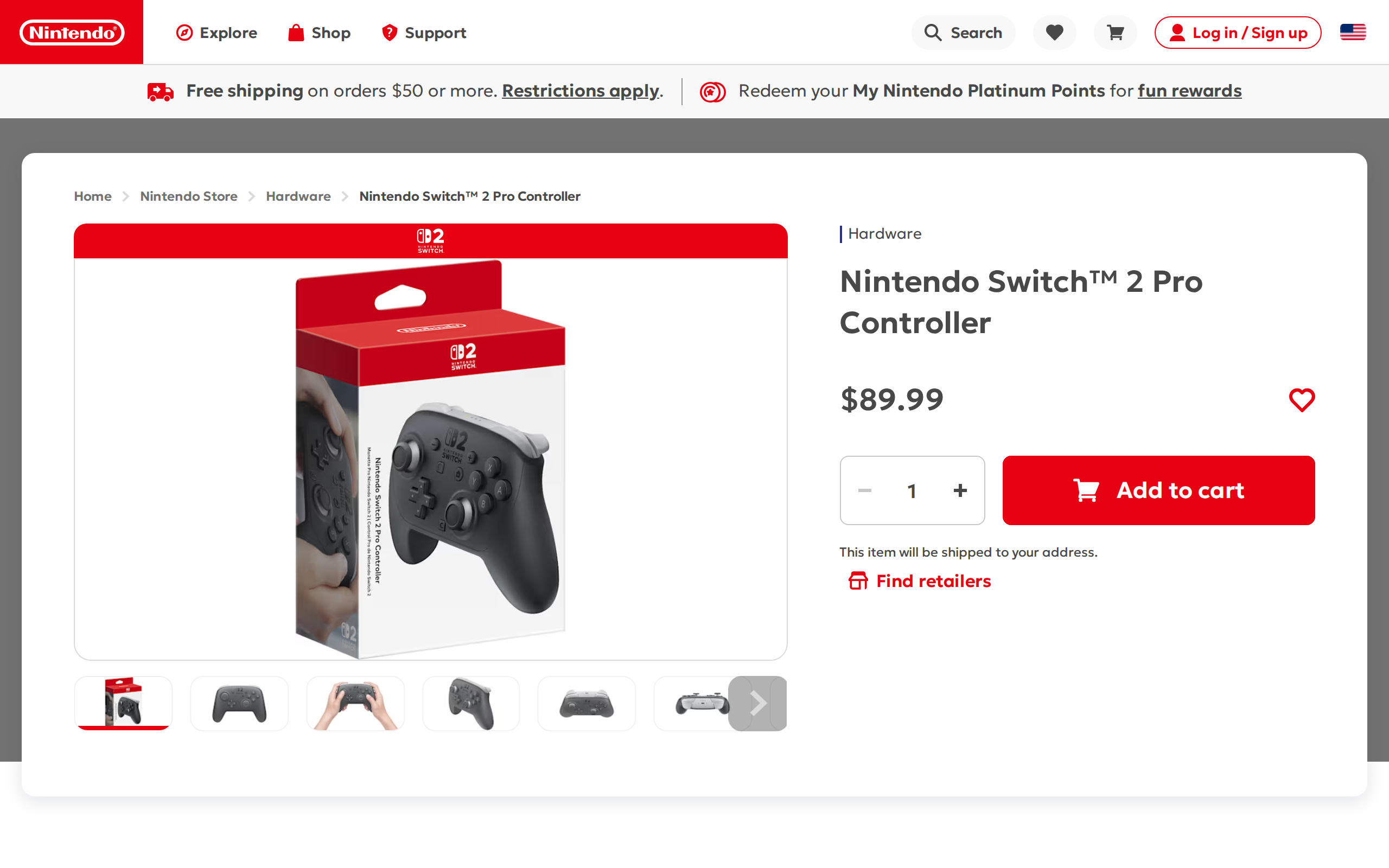
The best first-party pad on Switch 2 and the one to buy if you play docked. The shell is comfortable, the sticks feel smooth, the rear buttons are well placed and a rated 40 hour battery means it almost never needs charging. At $89.99 it is not cheap, it has no Hall effect sticks and PC support was missing at launch, so handheld players and PC users should look elsewhere.
Best forSwitch 2 owners who play docked on a TV most nights
What we liked
- Comfortable asymmetrical shell that fits large and small hands
- Rated 40 hour battery, with reviewers reporting weeks between charges
- Two GL/GR rear buttons mappable per user and per game
- 3.5 mm headphone jack carries game audio and GameChat
- Smooth, responsive sticks and the same excellent d-pad as before
What we did not
- $89.99 is $10 more than the original Pro Controller cost
- Potentiometer sticks, not Hall effect or TMR, so drift remains a risk
- Only two rear buttons and still digital triggers with no trigger locks
- Not working on PC at the time of TechRadar's review
- The C button is only useful if your friends use GameChat
Nintendo charged $79.99 for the first Pro Controller and people paid it, because nothing else felt as good in the hand. The Switch 2 version now costs $89.99 and adds three things: two rear buttons, a headphone jack and a button for GameChat. We spent our time deciding whether those three are worth ten dollars more than last time, and whether the pad is worth buying at all when the Joy-Con 2 pair in the box already works.
Start with the hands, not the features
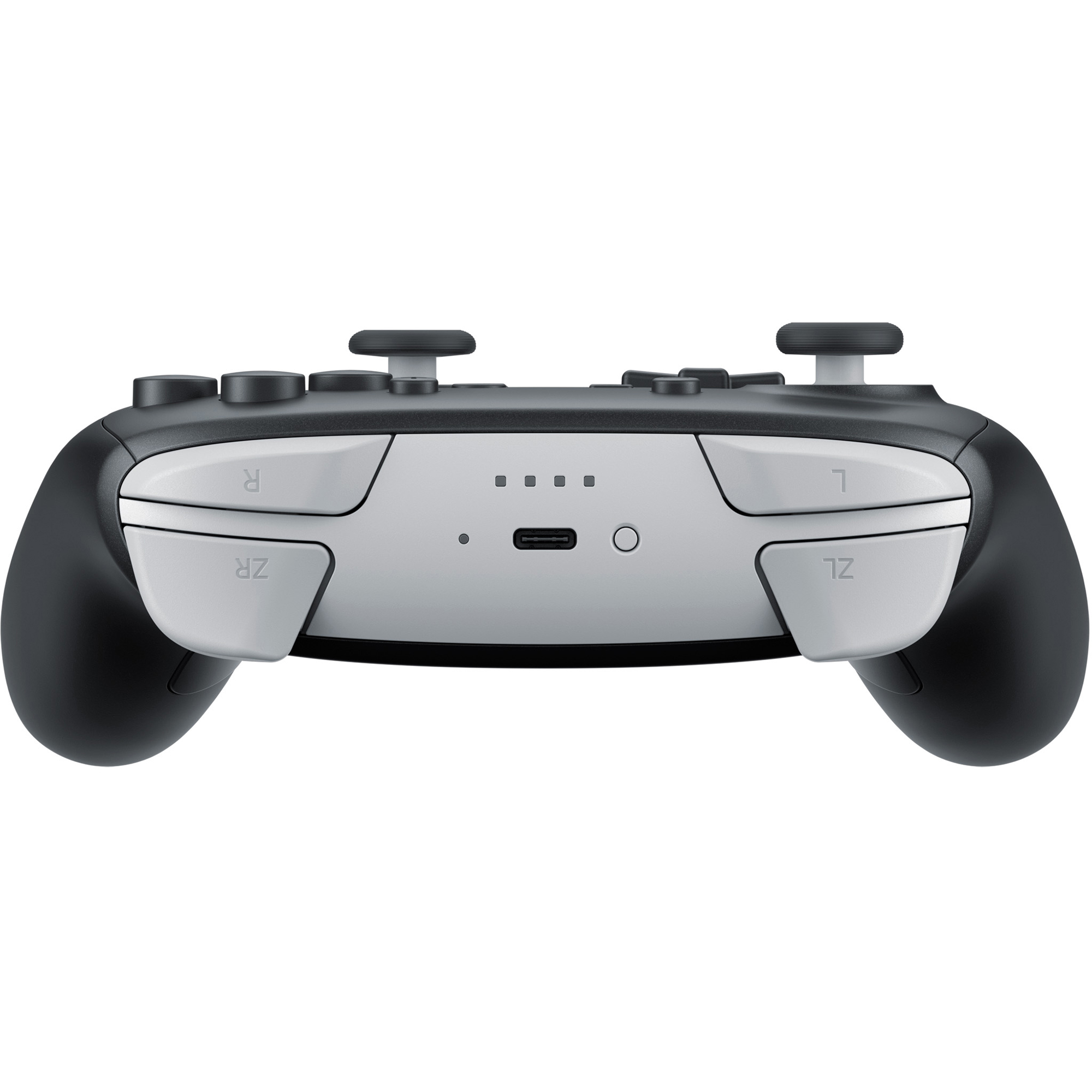
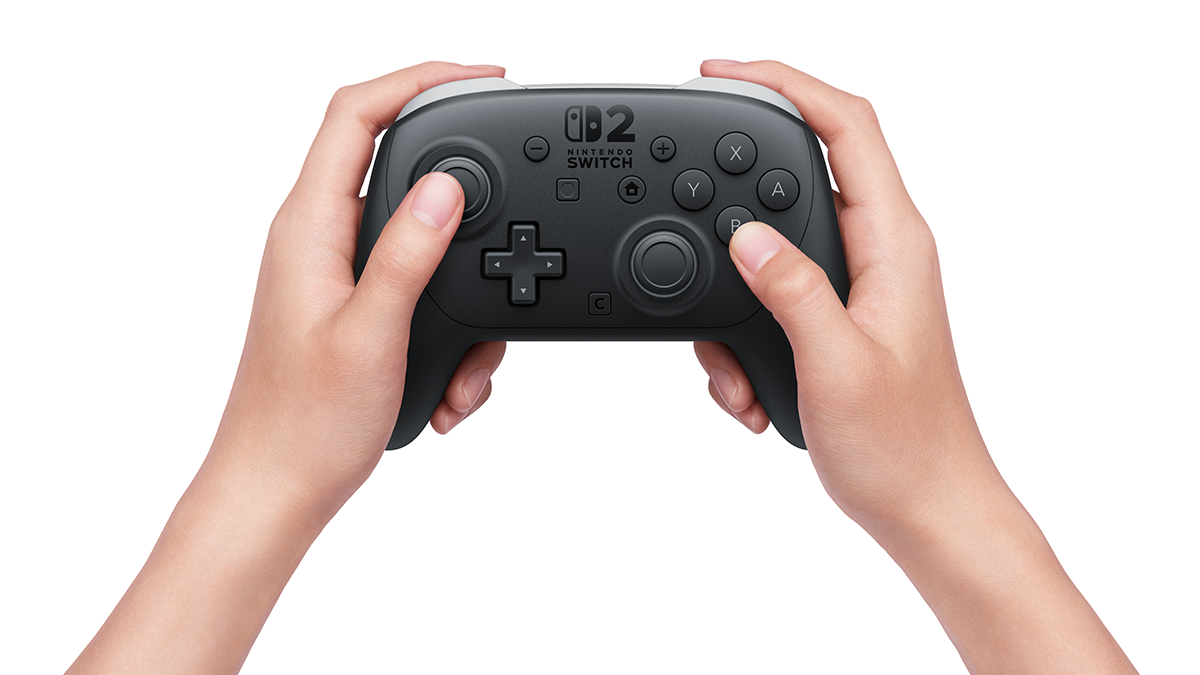
Most of the answer is in how the thing sits. The shell is matte black with light grey on the top section that holds the bumpers, triggers and stick shafts. The grips are fat enough that the pad fills your palms without making you spread your fingers, and nothing digs in after an evening of play.
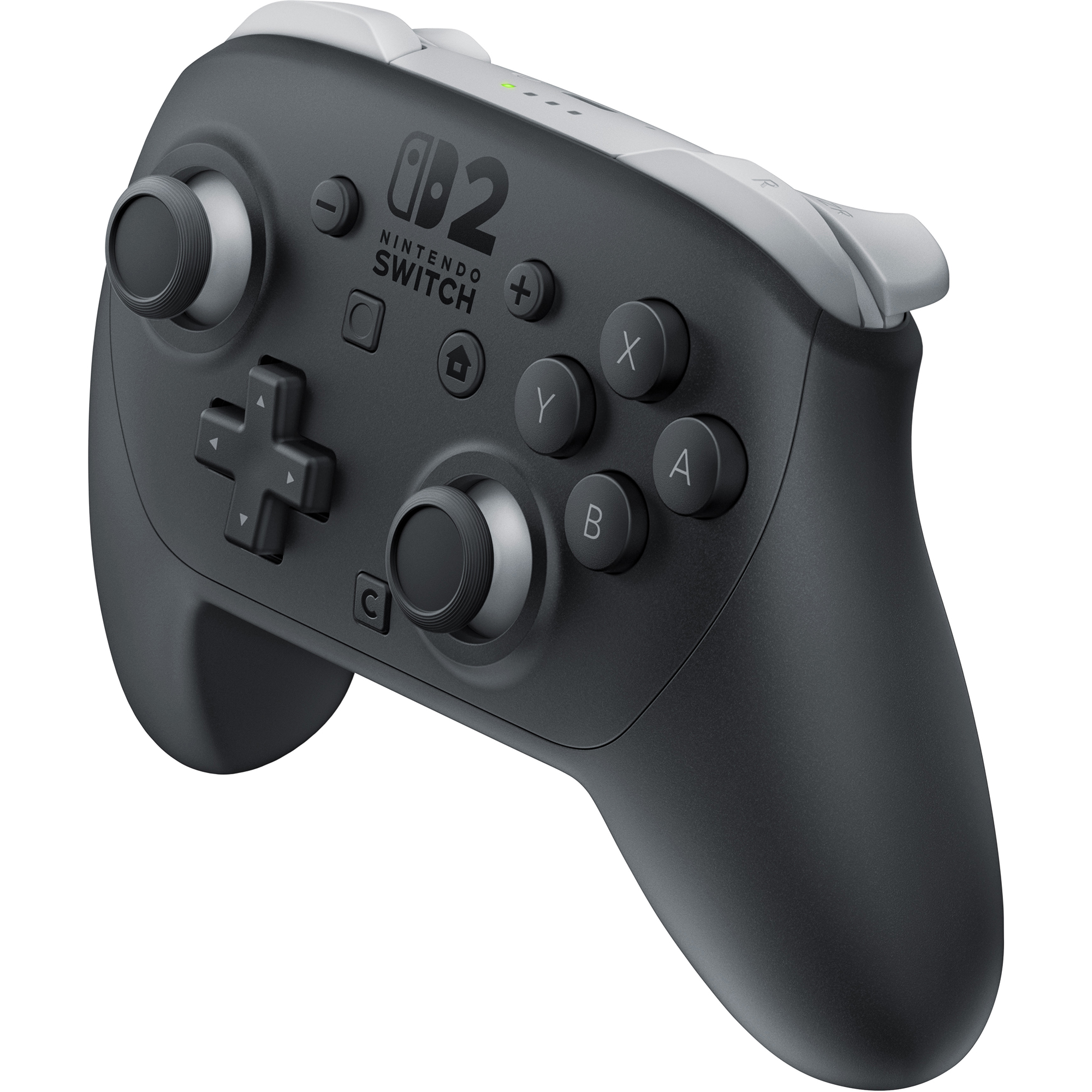
TechRadar called the sticks "almost impossibly smooth", and we agree. They are potentiometer sticks, not magnetic ones, and that is the one place we would argue with Nintendo. More on that below.
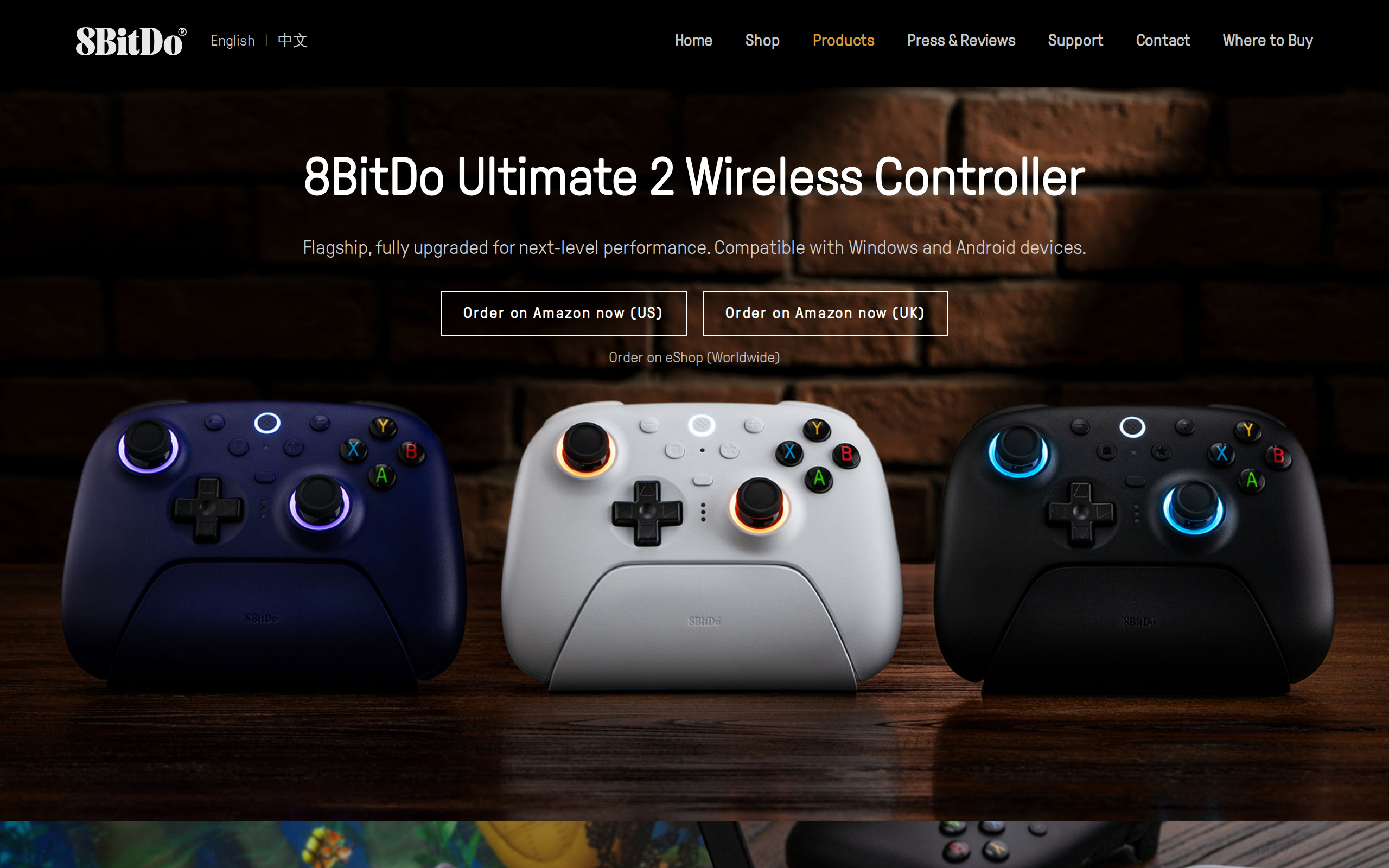
The d-pad is the same good one as before. The face buttons are large and quiet. The triggers are still digital clickers, so racing fans who want a variable squeeze should look at the 8BitDo Ultimate 2 instead.
GL and GR: two small buttons that change how you play
The new buttons sit on the back of the grips, where your middle fingers already rest. Nintendo lets you map each one to any other button, and the console stores the layout per user and per game. That last part is the useful one. We put jump on GR in a platformer so our right thumb never left the stick, and the layout was waiting for us when we came back to that game.
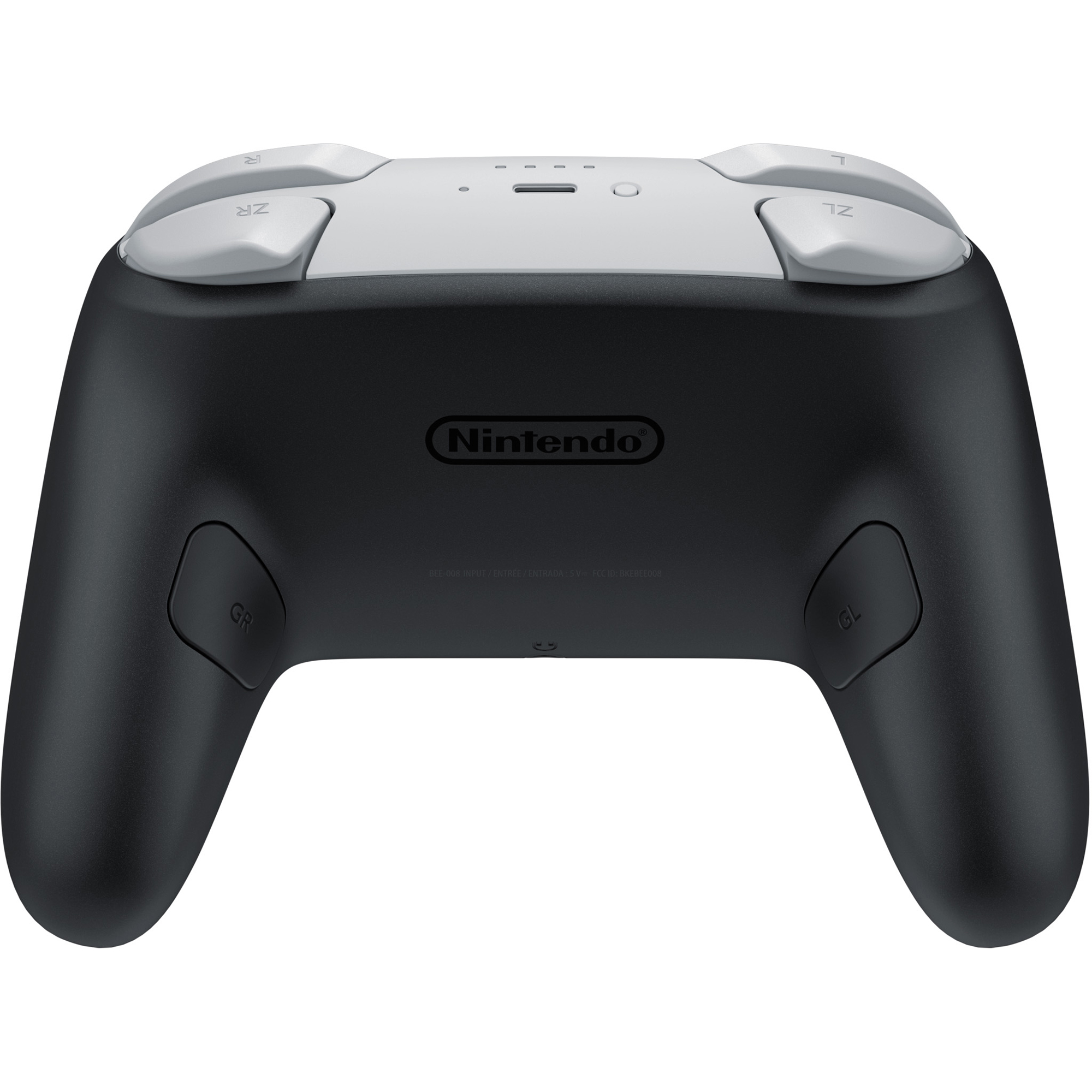
Only two buttons, though. A DualSense Edge-style pad has more, and so does anything from the third-party aisle. If you want four back buttons and swappable parts, this is not that controller. If you want two and no software to install, it is.
Specs
- Price
- $89.99 (rose from $79.99 at the original Pro Controller)
- Rear buttons
- 2 (GL and GR), freely remappable per user and per game
- Audio
- 3.5 mm headphone jack on the bottom edge
- Special buttons
- C button for GameChat, built-in amiibo support
- Battery life
- Rated around 40 hours, full recharge about 3.5 hours
- Charging
- USB-C cable included
- Sticks
- Potentiometer analog sticks, no Hall effect
- Triggers
- Digital, no trigger locks
- Colour
- Black with light grey top section
- Haptics
- HD Rumble 2