Audeze Maxwell 2 Review: Do 90mm Planar Drivers Really Change How Games Sound?
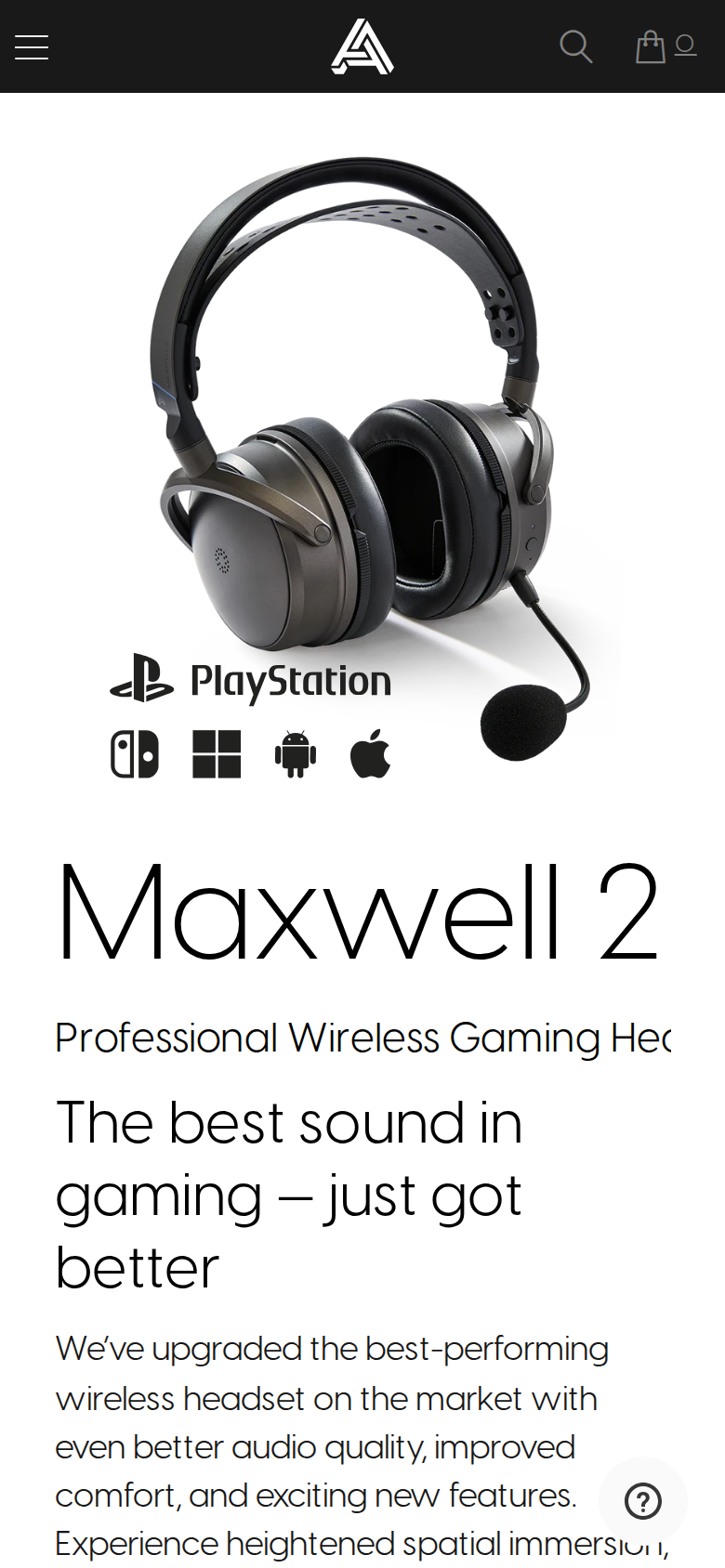
Audeze's Maxwell 2 starts at $329 and bets everything on 90mm planar magnetic drivers. We weighed the sound gains against the weight, the microphone and a small upgrade over the original Maxwell.
The verdict
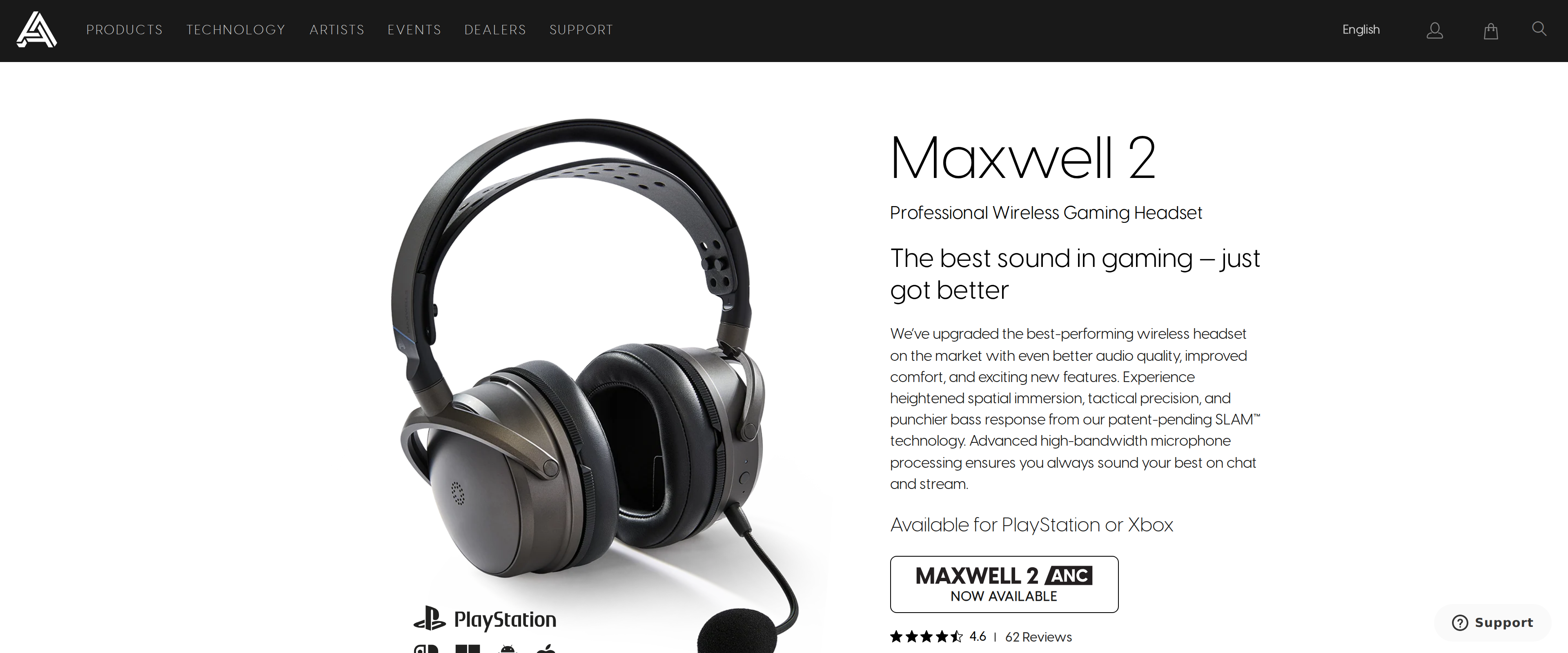
The Maxwell 2 is the best-sounding wireless gaming headset we know of, with clear bass control, wide imaging and a battery that lasts. It is a modest step over the original Maxwell, and the weight and microphone hold it back, so owners of the first model should stay put.
Best forPlayers who care about sound and music as much as chat
What we liked
- 90mm planar drivers give cleaner bass and wider imaging than typical gaming headsets
- Up to 80 hours of battery life over 2.4GHz wireless and Bluetooth
- Dongle, USB-C, 3.5mm and Bluetooth with LDAC, LE Audio and Auracast
- Hi-res 24-bit/96kHz audio over the USB-C wireless dongle
What we did not
- Only a modest improvement over the original Maxwell
- Heavier than most gaming headsets, which matters in long sessions
- Detachable mic is good for chat but not for streaming vocals
- Starts at $329, with Xbox versions at $349
Planar magnetic drivers have a reputation among headphone fans for speed and control. In gaming headsets they are rare, which makes the Maxwell 2 interesting before you even press play. The real test is whether a shooter or a racing game sounds better through them, or whether this is a music headphone with a boom mic bolted on.
What the drivers do
Instead of a cone, a planar driver moves a thin flat diaphragm across a magnet array. The Maxwell 2 uses 90mm versions, and Audeze quotes a frequency response from 10Hz to 50,000Hz, far wider than the 20Hz to 20,000Hz that most gaming headsets list.
Specs on paper do not make a headset sound good, but the pattern here matches what reviewers describe. Android Central goes as far as calling it the best-sounding gaming headset, pointing to the custom planar drivers.
In games
Audeze's new SLAM tuning tightens the bass, so explosions hit without smearing over footsteps. That is the practical benefit in competitive play: you hear a reload next to a rumble instead of a smear. Imaging is wide, which helps with directional cues, though no headset replaces game-side positional audio.
Racing and single-player adventures benefit most. Music in the background of a story game has air around it that cheaper headsets flatten.
In music
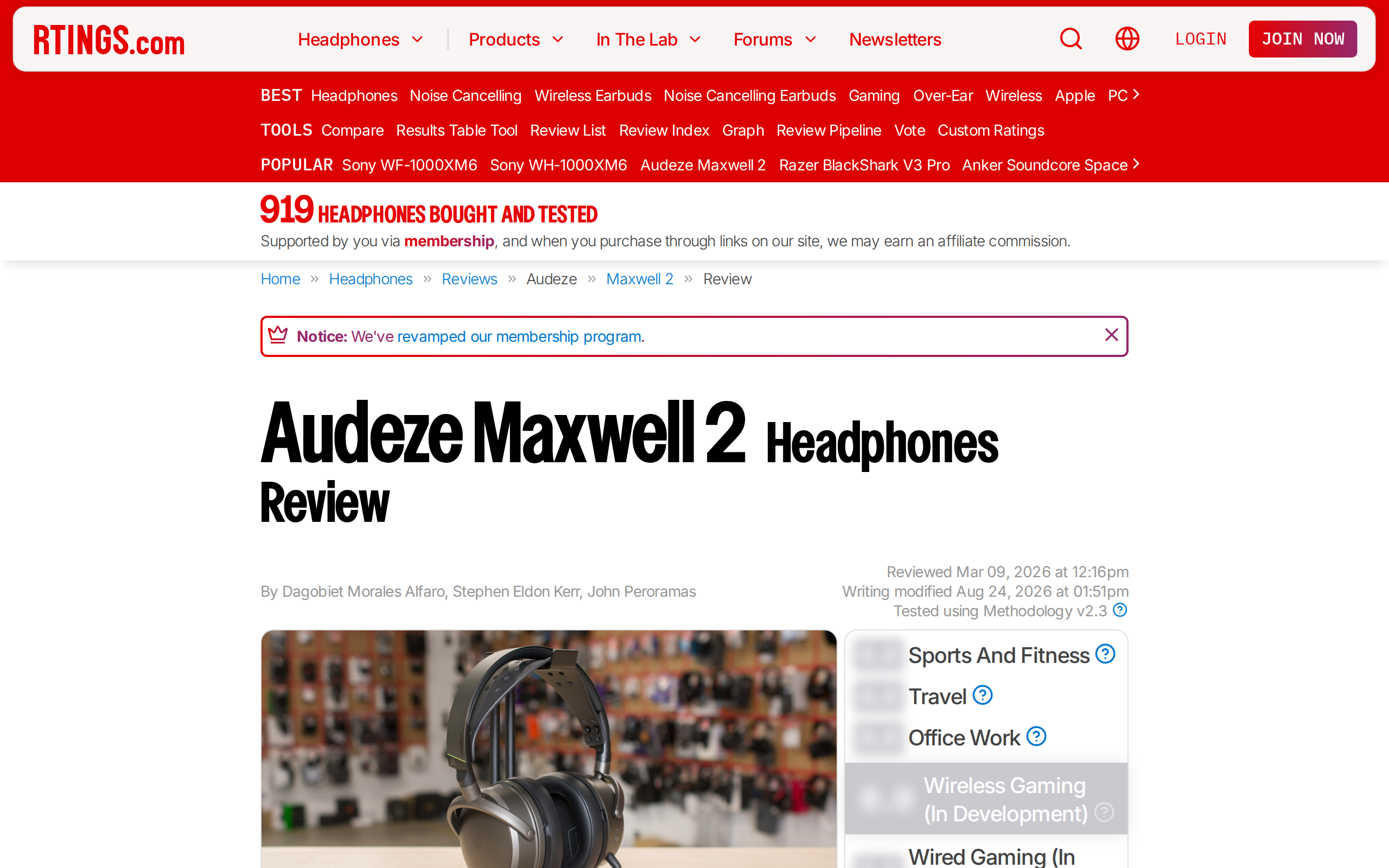
This is where planar earns the price. Treble stays smooth and bass goes low without bloom. Bluetooth supports LDAC, AAC, LE Audio and Auracast, so a phone connection is not a downgrade. Over the USB-C dongle you get up to 24-bit/96kHz.
Why planar can feel different
A flat diaphragm driven evenly across its surface starts and stops quickly. That is the usual argument for planar designs, and it explains why reviewers keep mentioning bass control rather than bass quantity. You are not getting a bigger thump, you are getting a cleaner one.
Specs
- Drivers
- 90mm planar magnetic, 10Hz to 50,000Hz
- Wireless
- 2.4GHz USB-C dongle with up to 24-bit/96kHz audio
- Bluetooth
- LDAC, AAC, LE Audio and Auracast
- Wired
- USB-C digital and 3.5mm analog
- Microphone
- Detachable hypercardioid with FILTER AI noise removal, 16-bit/48kHz
- Battery
- Up to 80 hours (Audeze figure)
- Fit
- Wide ventilated head strap and roomier earcups
- Customization
- ReSkin magnetic side plates
- Price
- From $329 (PlayStation), $349 (Xbox), both work on PC